Saudi Ceer Unveils First Electric Cars for 2027 Launch
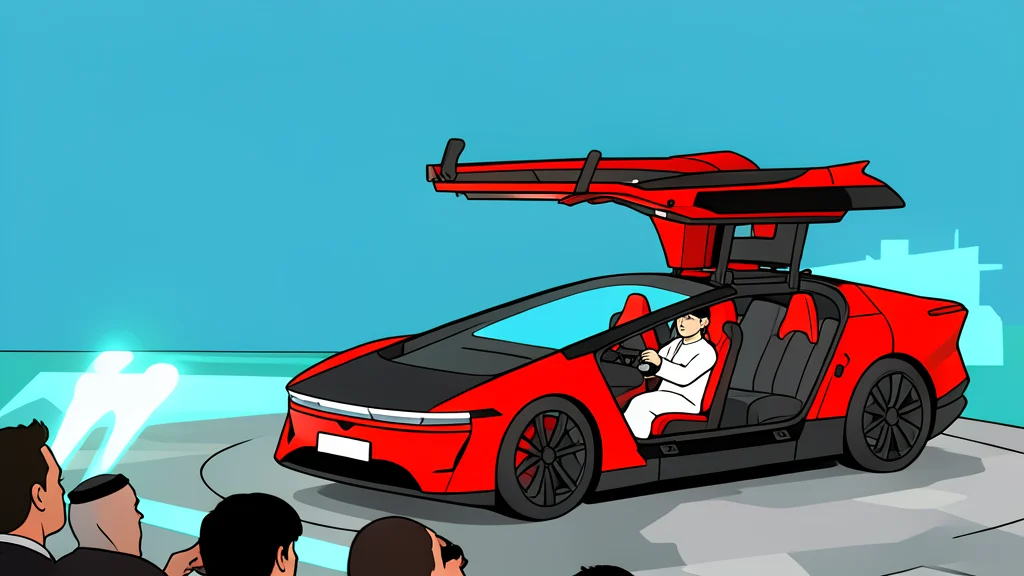
Ceer, backed by Saudi sovereign wealth and Foxconn, revealed its first two electric vehicles, aiming to launch five more models by 2030.
Key points
- Ceer will launch two electric Exobot models in Saudi Arabia in early 2027, with five additional models planned by 2030.
- The vehicles feature pillarless designs and gullwing doors, utilizing structural support from high-strength materials instead of traditional B-pillars.
- Backed by Foxconn and BMW, Ceer aims to build a local supply chain in Saudi Arabia to reduce reliance on imported vehicles.
Saudi startup Ceer has officially introduced its first two fully electric vehicles, a premium sedan and an SUV, marking a significant step in the kingdom's long-standing effort to diversify away from oil. The models, collectively branded as Exobot, are scheduled to begin sales in Saudi Arabia in early 2027, according to a report by Yahoo Finance Singapore.
The announcement positions Ceer as a new player in a global automotive market currently undergoing rapid transformation, driven largely by Chinese manufacturers and a widespread shift toward electric mobility. By leveraging the financial backing of the Public Investment Fund and the manufacturing capabilities of Foxconn, Ceer aims to establish a viable local auto industry despite previous setbacks in similar diversification projects.
Distinctive Design and Engineering
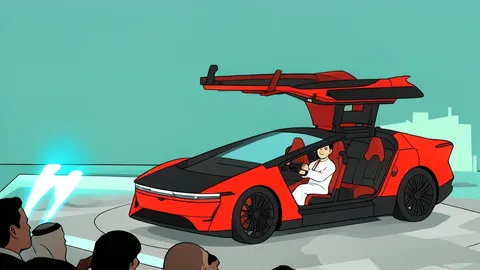
The new Exobot models feature a futuristic aesthetic with gullwing doors that open upward, a design choice that draws comparisons to science fiction vehicles. A notable structural innovation is the removal of the traditional B-pillars between the front and rear seats. Instead, the vehicles rely on high-strength materials to maintain structural integrity, a move intended to create a more open and modern cabin experience for passengers.
Global Partnerships Drive Production
Ceer has adopted a collaborative strategy to mitigate the risks associated with building a new car manufacturer from scratch. The venture is a joint effort between Saudi Arabia’s sovereign wealth fund and Taiwanese electronics manufacturer Foxconn, which provides the electrical architecture for the vehicles. Additionally, German automaker BMW has contributed engineering support, while top-tier suppliers from the US, Korea, Germany, and China have established local factories in Saudi Arabia to supply parts.
This broad network of international partners is designed to address previous failures in Saudi auto manufacturing, such as abandoned proposals for a Jaguar Land Rover factory and a rejected deal with Toyota. By integrating global expertise with local incentives, Ceer hopes to overcome the high labor costs and lack of local suppliers that have historically hindered the region's automotive ambitions.
Broad Product Lineup Strategy
Although Ceer was originally conceived as a pure electric vehicle maker, the company plans to expand its lineup to include plug-in hybrids and combustion-engine models. CEO Jim DeLuca explained that this flexibility allows the brand to respond to shifting market demands and regulatory landscapes. Following the initial launch, five more mainstream models are expected to arrive between 2028 and 2030, designed to meet global safety and emission standards for international sale.