Data Centres Become Heat Suppliers for UK Homes
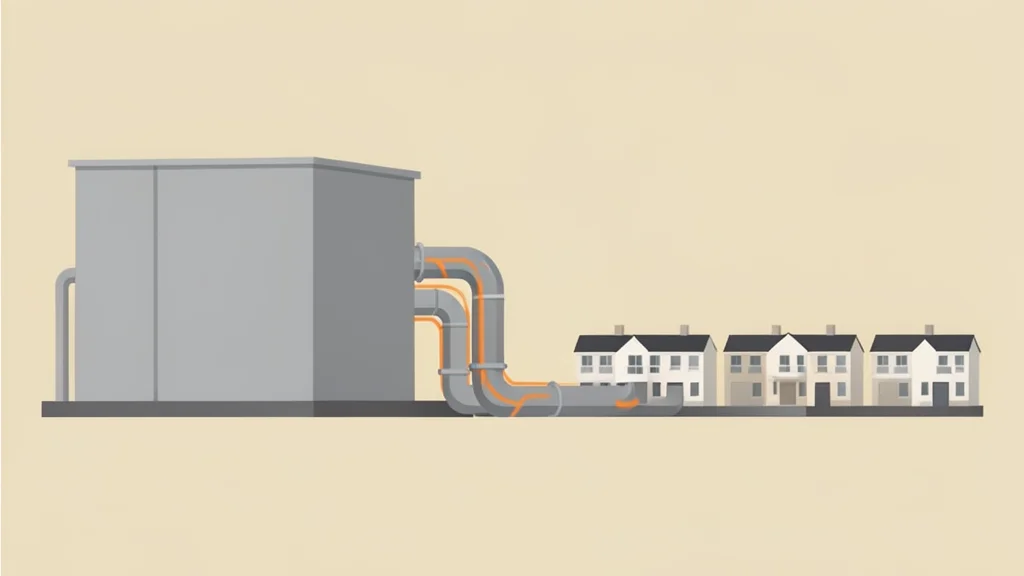
The UK is preparing to turn the waste heat from data centres into a primary heating source for nearby communities, shifting these facilities from pure energy consumers to active suppliers in the national grid.
For years, data centres have been criticized primarily for their massive electricity consumption. However, a significant byproduct of their operation is heat generated by cooling servers. Historically, this thermal energy was vented into the atmosphere as waste. Now, new regulations are transforming this discarded resource into a valuable commodity that can heat residential and commercial buildings, directly supporting the country’s net zero targets.
This shift is driven by the Energy Act, which became law in late 2023, and subsequent zoning maps published in 2024. These documents identify specific areas where centralized heat networks are the most efficient and low-carbon way to supply energy. By connecting data centres to these networks, the UK aims to reduce reliance on individual gas boilers and cut carbon emissions associated with building heating.
Zoning rules reshape infrastructure planning
The core of this strategy is heat network zoning. This process designates specific geographic areas where shared heating systems are economically and environmentally preferable to standalone heating units. In these zones, heat is generated or recovered centrally and distributed through a shared pipe network. For data centre operators, this changes their role from isolated electricity users to integrated parts of a local energy ecosystem.
According to GN auto tech/cloud, the finalization of detailed zoning regulations in 2026 marks a critical milestone. The first zones are expected to begin development later this year. This legal framework encourages developers to consider waste heat recovery during the earliest stages of site selection and masterplanning, rather than treating it as an afterthought. This proactive approach ensures that new digital infrastructure is designed to support community energy needs from day one.
Geographic limits create logistical challenges
Despite the potential, there are significant practical constraints. Heat is a poor conductor over long distances compared to electricity. This means a data centre must be located in close proximity to the buildings it intends to heat. If a data centre is built in a rural area or a business park without nearby residential density, the waste heat cannot be efficiently utilized. This geographic limitation has historically prevented many projects from moving forward.
Additionally, the commercial incentives for investing in new pipe networks have often been insufficient. Developers and local authorities must coordinate closely to ensure that heat demand matches the supply. Without this alignment, the infrastructure remains unused, and the thermal energy continues to be lost to the atmosphere. The success of these projects depends on precise matching of location and demand.
Scandinavian models offer practical lessons
Countries like Denmark and Sweden provide a clear example of how this system works on a large scale. In these nations, industrial waste heat is routinely captured and fed into extensive district heating networks that serve entire communities. This success is not solely due to superior technology, but rather decades of coordinated planning and long-term policy certainty. The infrastructure was built holistically, integrating energy supply and demand from the start.
The UK starts from a different position, with heat networks serving only a small fraction of buildings. This means new infrastructure often needs to be developed alongside new data centres, requiring complex collaboration between developers, utilities, and local authorities. While this creates additional logistical challenges, it also offers the opportunity to embed heat recovery into future developments from the outset, avoiding the costly and difficult task of retrofitting older systems later.