US and India Prioritize Undersea Cable Network Resilience
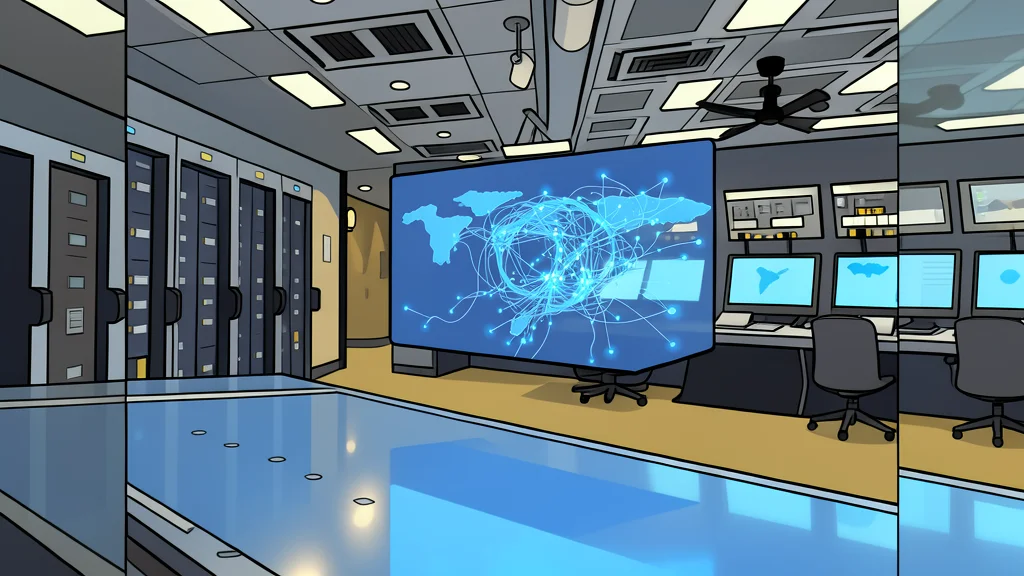
Washington and New Delhi are coordinating to secure the physical infrastructure that connects global digital services, addressing growing vulnerabilities in transoceanic data routes.
The United States and India have launched a joint initiative to harden the physical layer of the global internet. This effort focuses on the undersea cables that transmit the vast majority of international data traffic. By bringing together government officials and industry leaders, both nations aim to address increasing risks to these submerged networks.
These cables are the backbone for cloud computing, data centers, and emerging artificial intelligence services. As demand for digital connectivity surges, the physical security of these lines has become a strategic priority. The collaboration seeks to ensure that data flows remain stable and protected against both accidental damage and deliberate interference.
Strategic focus on physical infrastructure
A recent workshop served as the catalyst for this renewed attention. Participants discussed how to improve the resilience of subsea communications routes. The event highlighted that while digital security often dominates headlines, the physical integrity of the cables themselves is equally critical. Without robust protection, even the most secure software is vulnerable to a severed line.
India’s geographic position places it between major global markets, making it a pivotal node in the network. The US Embassy in India noted that this location supports the country's potential to become a central hub for subsea connectivity. Strengthening these links is seen as essential for India’s growing digital economy and its ambition to attract more technology investment.
Linking connectivity to AI growth
This infrastructure push is directly tied to broader goals for artificial intelligence development. The two countries previously agreed to work on a roadmap for accelerating AI infrastructure in India. That roadmap identifies key constraints, including financing, construction, and power requirements for large-scale AI facilities. Secure and high-capacity data links are a prerequisite for these systems to function effectively.
The cooperation extends beyond cables to include data center investment and access to advanced processors. By addressing regulatory and technological safeguards simultaneously, the US and India are attempting to create a comprehensive framework for digital expansion. This approach recognizes that AI capabilities are only as strong as the network connections that support them.
Trade-offs in global connectivity
While strengthening security offers significant benefits, it also introduces complexity. Diversifying cable routes and hardening infrastructure requires substantial capital and coordination. The catch is that these physical assets are difficult to replace quickly if damaged. This makes proactive security measures not just a preference, but a necessity for maintaining uninterrupted digital services.
According to GN auto tech/cloud: cloud infrastructure, the stability of these networks is a shared interest for both nations. The initiative underscores a shift in focus from purely digital threats to the tangible risks facing the ocean floor. As the world becomes more dependent on real-time data, the protection of these hidden lifelines becomes a central component of national and global security strategies.