New Resident Evil Film Embraces Absurd Game Logic
Zach Cregger's upcoming movie adapts the survival horror series by leaning into the genre's inherent absurdity rather than grounding it in realism.
Key points
- Zach Cregger's Resident Evil film intentionally leans into the absurd logic of the source video games.
- The movie mirrors the player's experience by navigating the same nonsensical scenarios found in the gameplay.
- IGN Deutschland praises the film for capturing the unique 'glorious nonsense' of the survival horror genre.
Zach Cregger’s upcoming adaptation of the Resident Evil franchise leans heavily into the inherent absurdity of survival horror video games. Rather than attempting to ground the narrative in strict realism, the film embraces the chaotic and often nonsensical logic that defines the source material. This approach aims to capture the specific sensation of playing the games by mirroring the player's experience of navigating bizarre scenarios.
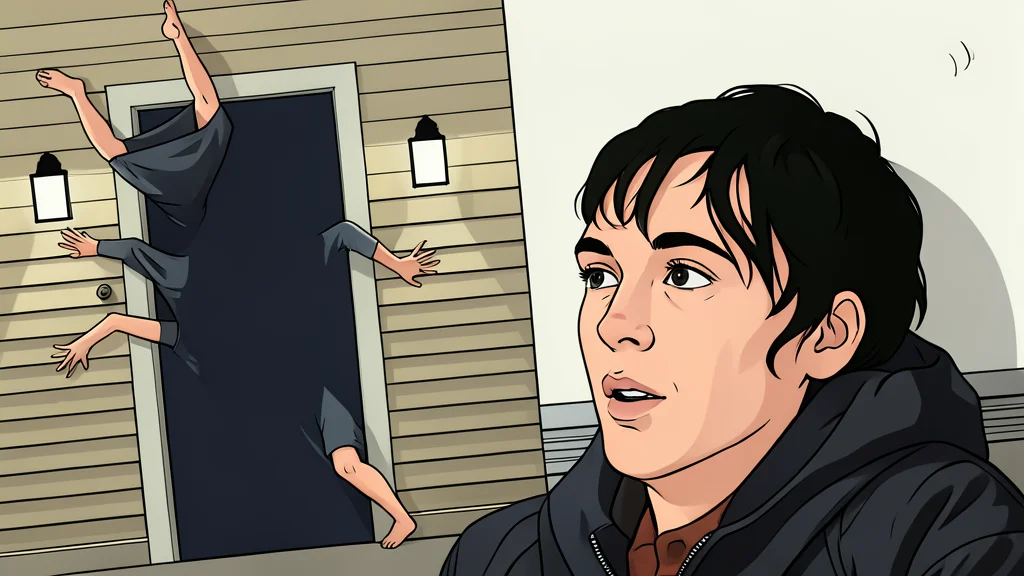
According to IGN Deutschland, the film understands that the original games are fundamentally ridiculous. The story follows a character named Brian, who navigates a 90-minute sequence of events that mirrors the gameplay mechanics. The result is described as a faithful translation of the survival horror experience, preserving the 'glorious nonsense' that fans expect from the series.
Embracing the absurd core of gameplay
The Resident Evil series is characterized by jarring shifts in tone and logic. Players often transition from escaping comically oversized enemies to solving intricate puzzles involving electronic chess pieces. These situations defy rational thought, yet the games compel players to engage with them. Cregger’s film acknowledges this disconnect, choosing to highlight the surreal nature of the gameplay rather than smoothing it over for a cinematic audience.
By treating the ridiculous elements as central to the narrative, the movie avoids the common pitfall of adapting games into generic action films. Instead, it focuses on the unique emotional rollercoaster of survival horror. The lead character’s journey is structured to feel like a direct translation of holding a controller, ensuring that the audience experiences the same disorienting yet compelling flow as the players.
Translating player sensation to screen
The critical reception highlights how the film successfully captures the essence of the interactive medium. It does not shy away from the absurdity, recognizing that these elements are what make the games engaging. The narrative progresses through a series of events that feel familiar to those who have played the titles, creating a bridge between the interactive and cinematic experiences.
This approach distinguishes the film from other video game adaptations that often struggle to balance source material fidelity with cinematic coherence. By accepting the ridiculousness as a feature rather than a bug, the movie delivers a more authentic representation of the franchise. It serves as a testament to the unique appeal of survival horror, where logic is secondary to the thrill of navigating the unknown.
A distinct approach to adaptation
The decision to center the story on the absurdity of the games sets this adaptation apart in a crowded market. It suggests that the most effective way to translate a video game to film is to respect its original tone, even if that tone is chaotic. The result is a film that feels true to the source material, offering a fresh perspective on how interactive narratives can be reimagined for the screen.