Resident Evil Film Succeeds by Capturing Game Feel Rather than Plot

The latest Resident Evil adaptation avoids the typical pitfalls of video game movies by focusing on the emotional experience of gameplay rather than strict fidelity to the source material.
Hollywood has long struggled to translate interactive video games into linear films, often resulting in adaptations that feel either too faithful or completely disconnected from their roots. The new Resident Evil movie, directed by Zach Cregger, attempts to solve this persistent issue by shifting the focus from recreating specific game events to replicating the sensation of playing them. This approach allows the film to stand on its own as a horror narrative while still honoring the mechanics that make the original games engaging.
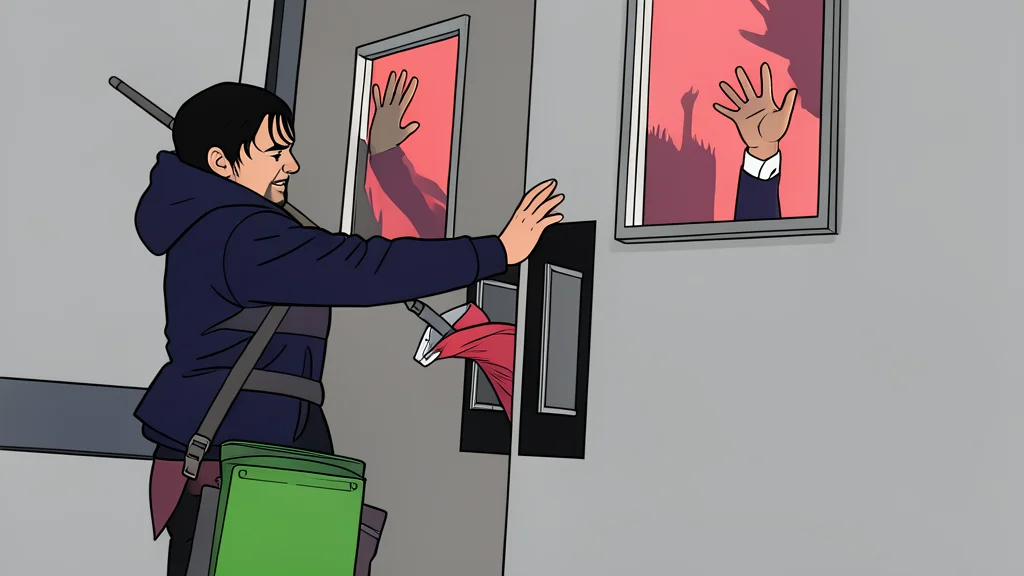
The story follows Bryan, a medical courier played by Austin Abrams, who accepts a delivery job that leads him into the dangerous streets of Raccoon City. Unlike previous entries in the franchise, which often relied on complex lore and action-hero tropes, this film keeps the scope intimate and personal. By focusing on one ordinary person navigating a terrifying night, the movie creates a more relatable and tense atmosphere that resonates with both gamers and non-gamers alike.
Recreating the feeling of gameplay
The director’s key innovation is understanding that watching a character play a game is fundamentally different from playing it oneself. Instead of copying scenes, the film borrows the structural language of video games. It uses first-person perspectives, gradual weapon upgrades, and escalating enemy difficulty to mimic the progression of a typical gaming session. This method captures the essence of interaction and decision-making without requiring the audience to know the specific history of the series.
According to coverage from GN auto tech/entertainment, this strategy effectively bridges the gap between interactive media and cinema. The movie does not announce its inspiration but rather weaves it into the narrative structure. Audiences experience the fear and survival tension that define the games, making the adaptation feel fresh and accessible to those who have never held a controller.
Intimate storytelling over spectacle
A common pitfall in big-budget adaptations is the assumption that bigger means better. Many previous attempts have relied on excessive explosions, large casts, and complex mythology to justify their expense. In contrast, this film resists that temptation, keeping the story grounded in the experience of a single character. This restraint allows the horror elements to breathe and makes the protagonist's fear more palpable.
Austin Abrams delivers a performance that grounds the film in reality. His character is not a trained soldier but a regular person in over his head, which adds a layer of authenticity often missing from action-heavy adaptations. This human element ensures that the movie works as a standalone horror film, not just a showcase for franchise nostalgia.
Accessibility for new audiences
One of the major trade-offs in many video game movies is that they often prioritize existing fans over new viewers. By avoiding heavy reliance on prior knowledge, this adaptation removes that barrier. The narrative is self-contained, allowing anyone to understand the stakes and the danger without needing to read previous books or play previous games. This makes the film a more inviting entry point for the general movie-going public.
Ultimately, the success of this film lies in its willingness to change the rules of adaptation. It proves that a great video game movie does not need to be a direct translation of the game. Instead, it can be a unique cinematic experience that captures the spirit of the original medium. This approach offers a promising path for future adaptations, suggesting that feeling matters more than fidelity.