Resident Evil Movie Swaps Iconic Heroes for an Average Courier
Zach Cregger’s film is the best-reviewed game adaptation ever, yet it divides fans by abandoning familiar characters like Jill Valentine.
Key points
- The film is the highest-rated video game adaptation in history, surpassing all previous attempts.
- It follows an ordinary courier instead of iconic characters like Jill Valentine or Leon S. Kennedy.
- The story uses the protagonist's failures to highlight the absurdity of game mechanics in reality.
Zach Cregger’s new film starring Austin Abrams has achieved a rare distinction in cinema history. It is currently the best-reviewed video game adaptation of all time, a title it holds by a significant margin over its predecessors. The movie offers a horror-comedy take on the franchise that critics have praised for its structural fidelity to the source material, even if it diverges significantly from the characters players know.
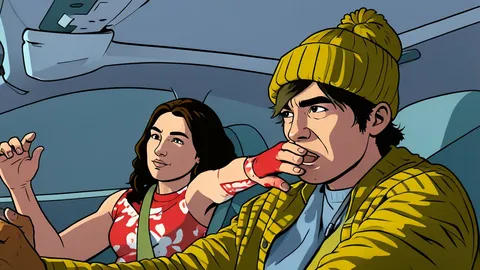
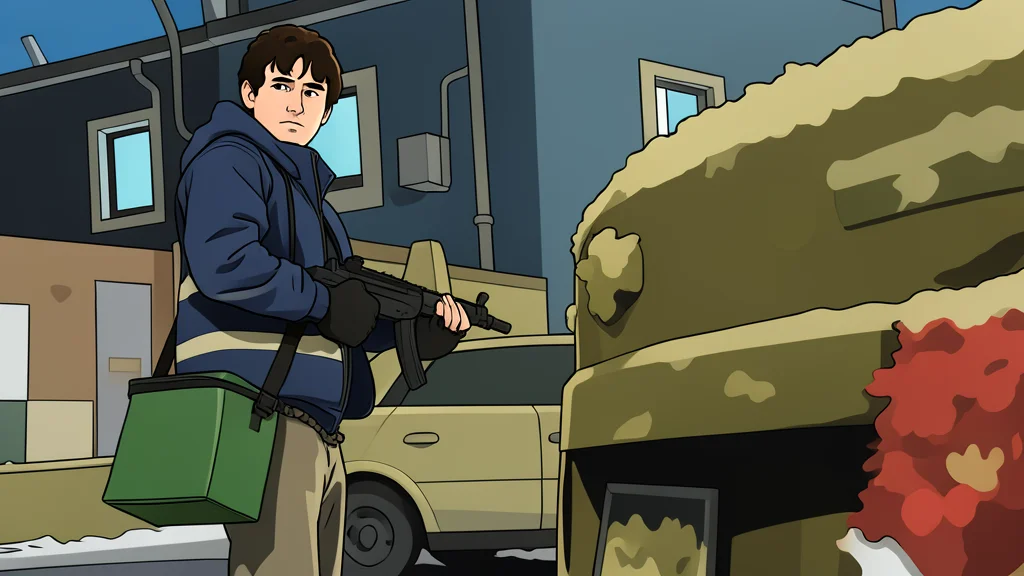
However, the film has created a rift among dedicated fans of the series. Many players are disappointed that the story does not feature iconic figures such as Jill Valentine or Leon S. Kennedy. Instead, the narrative follows Bryan, an ordinary courier, leading some to feel the movie misses the point of the franchise. Yet, as noted by Polygon.com, this choice may actually be the most faithful adaptation of the series' spirit, even if it is not the one fans expected.
Ordinary people face impossible dangers
The core of the film’s appeal lies in shifting the perspective from superhuman agents to a regular person. Bryan is not a government operative with military training; he is a civilian who ends up in a zombie-infested version of Raccoon City. This setup mirrors the anthology style of the 2003 game Resident Evil Outbreak, which featured everyday survivors like surgeons and subway workers rather than special forces units.
By placing an average person in extreme danger, the movie highlights the absurdity of the original games' mechanics. The narrative structure remains consistent with the source material, moving from a claustrophobic house to the streets and finally into the sewers and an Umbrella Corporation lab. This progression feels authentic to the series, even though the specific plot points are newly invented for the screen.
Humor emerges from failed heroism
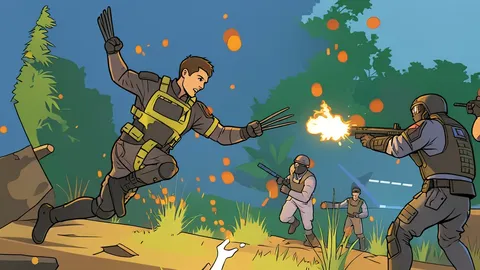
Cregger uses comedy to underscore the difference between game logic and reality. Throughout the film, Bryan attempts actions that characters like Leon S. Kennedy would perform effortlessly, such as shooting locks off doors or plowing through fences with a truck. In the games, these are standard maneuvers, but for Bryan, they result in failure and physical comedy, grounding the horror in a more relatable experience.
A key scene illustrates this contrast by echoing the iconic rescue of a child in Resident Evil 2. While Claire Redfield executes this moment with cool precision, Bryan’s attempt goes terribly wrong. This juxtaposition serves as a running joke that critiques the invincibility of the original protagonists while validating the fear and vulnerability of an untrained individual in a similar situation.
Critics praise the structural faithfulness
Despite the lack of familiar faces, the film maintains a strong connection to the source material’s tone. The decision to tell a new story allows the movie to explore the setting without being constrained by existing plotlines. Critics argue that this approach captures the essence of the franchise better than direct adaptations, offering a fresh perspective on the zombie apocalypse.
The trade-off is clear: fans miss the nostalgia of seeing established heroes, but gain a story that feels more human and grounded. By focusing on an everyman protagonist, the film challenges the audience to accept a different kind of fidelity to the games. It is a risk that has paid off critically, proving that a video game adaptation can succeed by changing the perspective rather than the plot.