Bentley Converts Historic Factory for First Electric SUV
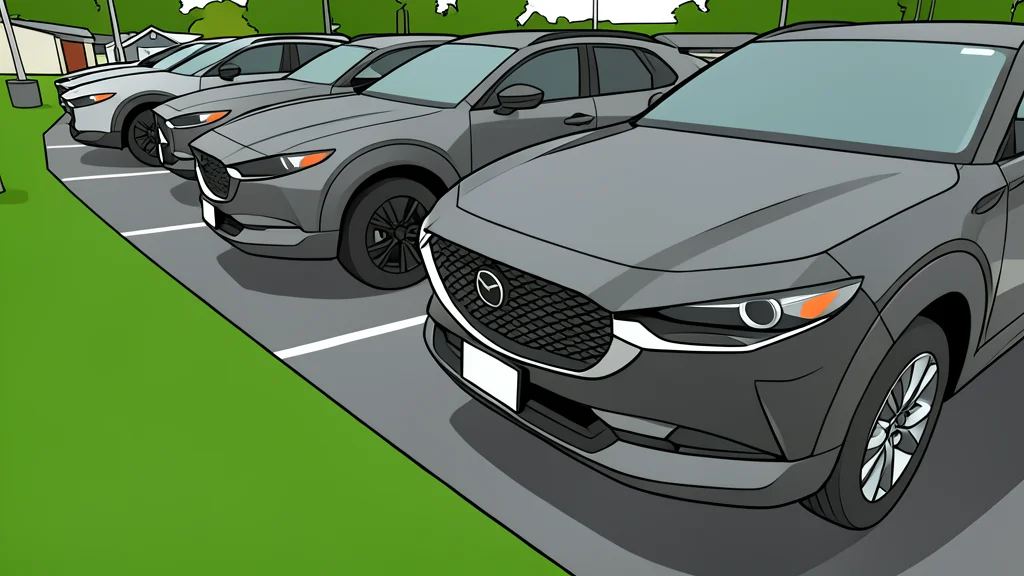
Bentley is set to unveil the Torcal, its first all-electric SUV, marking a significant shift in the brand’s manufacturing strategy.
Bentley Motors is preparing to launch the Torcal, the brand’s first all-electric sport utility vehicle, with a global reveal scheduled for the 23rd. The event is timed at 7:19 p.m. UK time, a specific reference to the year 1919 when the company was founded. This launch represents more than just a new product; it signifies a complete transformation of how the luxury carmaker builds its vehicles in the United Kingdom.
The move requires a substantial financial commitment. Bentley has invested 350 million pounds into developing the vehicle and upgrading its production facilities. Rather than building a new campus from scratch, the company is repurposing existing infrastructure at its Crewe headquarters. This approach allows the brand to maintain its traditional location while adapting to the technical demands of electric vehicle manufacturing.
Revitalizing a 1938 Industrial Facility
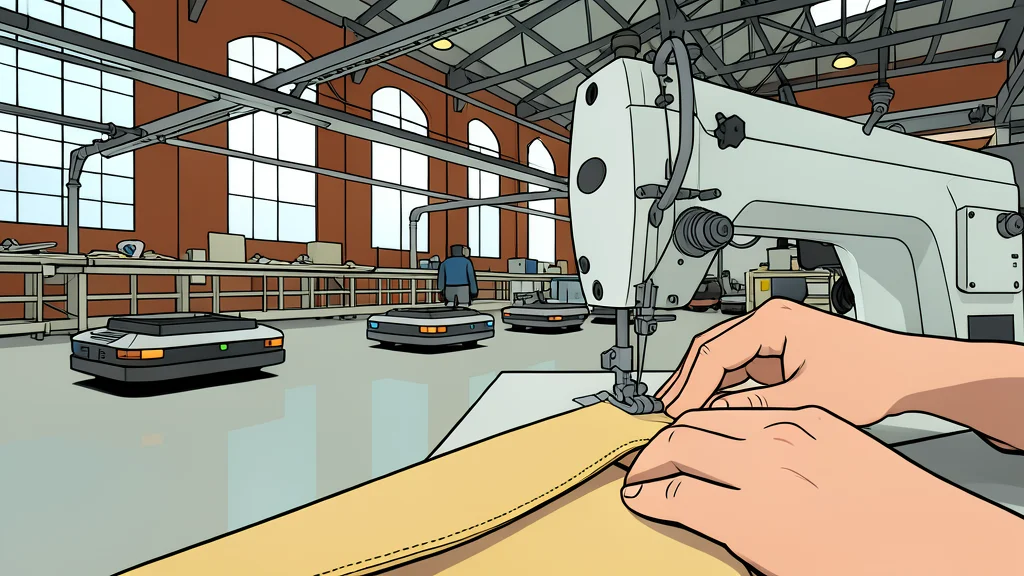
The production base for the Torcal is a building that dates back to 1938. For decades, this structure served as a machining area and later as a research and development hub. To accommodate electric vehicle production, Bentley completely gutted the interior and precisely leveled the concrete floors. This structural work was necessary to support the weight of new equipment and to allow autonomous guided vehicles to move car bodies smoothly between production stages.
The company refers to this upgraded site as the 'Dream Factory.' The strategy focuses on leveraging the existing brick-and-mortar structure while integrating advanced automation. By converting a historic building, Bentley aims to preserve the physical history of its manufacturing while introducing the modern technology required for battery-powered cars. The facility is designed to become the central hub for all future electric models from the brand.
Balancing Automation With Handcraft
A key challenge in this transition is maintaining the brand’s reputation for bespoke craftsmanship. The new production line combines automated transport technology with traditional hand-finishing techniques. This hybrid approach ensures that the vehicle meets modern efficiency standards without losing the artisanal quality that defines Bentley. The Torcal will be the first production model to emerge from the new Crewe design studio, which also underwent a renovation of a 1939 building.
This dual-track manufacturing strategy allows Bentley to offer a diverse range of powertrains. While the Torcal enters the electric segment, the company continues to develop internal combustion models, such as the V8-powered Supersports and the hand-built Speed Six. This flexibility ensures that the Crewe campus can support various production methods simultaneously. According to GN auto tech/ev, this diversified approach helps the company manage market risks while expanding its technological capabilities.
Strategic Investment in Luxury EVs
The launch of the Torcal is expected to intensify competition in the luxury electric vehicle market. By investing heavily in its UK manufacturing base, Bentley is signaling a long-term commitment to the electric transition. The Crewe campus, which spans over 520,000 square meters and employs more than 4,000 people, is well-positioned to handle this shift. The detailed specifications for the Torcal, including its range and performance metrics, will be disclosed at the upcoming global event.