Rochester Drivers Weigh Gas, EV, and Hybrid Options
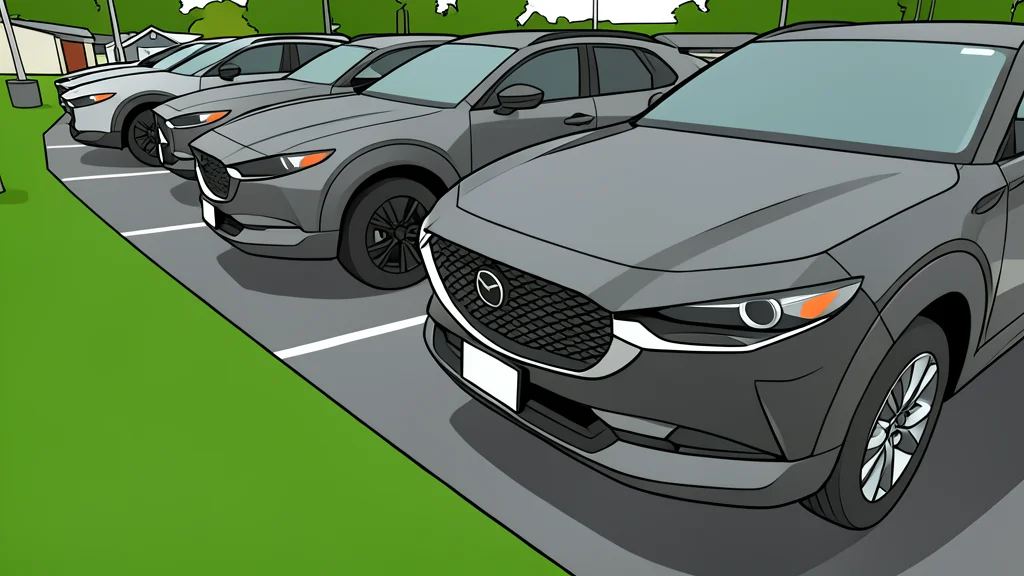
With local gasoline prices averaging $4.38 per gallon, Rochester residents are re-evaluating their vehicle choices. While electric car sales have slowed due to changing federal policies, hybrids are emerging as a practical middle ground for many families.
In Rochester, New York, the rising cost of gasoline has put pressure on drivers to consider alternative powertrains. The average price for a gallon of gas recently hit $4.38, a figure that is prompting many to look at electric or hybrid models. However, the shift toward electric vehicles is not as steep as it was a few years ago. According to Brad McAreavy, president of the Rochester Automobile Dealers’ Association, sales of new electric cars have declined. This drop is largely attributed to the suspension of certain federal incentives and mandates that previously pushed dealers to sell more EVs. Without those regulatory pushes, buying an electric car is now purely a consumer choice rather than a market-driven necessity.
The decision between gasoline, electric, and hybrid vehicles now hinges on individual financial priorities. McAreavy notes that while the upfront cost of a gas-powered car is typically the lowest, the long-term savings on an electric vehicle can be significant due to lower charging and maintenance costs. For those who find the initial price tag of an EV prohibitive but still want better fuel efficiency, hybrids offer a compromise. They combine an internal combustion engine with an electric motor, providing better mileage than a standard gas car without the high entry price of a fully electric one.
Hybrids Offer a Balanced Compromise
Many experts are pointing to hybrid vehicles as a sensible middle-of-the-road option. These cars operate partly on electricity and partly on gasoline, which results in better fuel economy than a traditional gas vehicle. While they still require regular maintenance associated with internal combustion engines, they allow drivers to save money on fuel without committing to the full infrastructure and cost changes of an EV. This option appeals to those who want immediate savings at the pump but are not ready to abandon gasoline entirely.
Personal Needs Drive the Decision
There is no single best choice for every driver, according to Michael Schaefer, manager of the Greece AAA Branch. He emphasizes that the right vehicle depends heavily on individual circumstances, particularly the amount of mileage a person drives annually. For high-mileage drivers, the savings from electric or hybrid technology may outweigh the higher purchase price. For those who drive less, a standard gas car might remain the most economical option overall. Schaefer advises consumers to look at their family size, daily commute length, and total time spent on the road before making a decision.
Hidden Costs Affect Total Value
Beyond fuel and purchase price, insurance costs can influence the final decision. Progressive notes that electric vehicles often carry higher insurance premiums because they can be more expensive to repair and replace. This trade-off must be weighed against the potential savings in fuel and maintenance. As reported by GN auto tech/ev, the landscape is shifting away from mandated sales toward a market where consumers must carefully calculate their own total cost of ownership. Consulting with a sales professional to analyze personal driving habits and financial goals is recommended to ensure the chosen vehicle fits both the budget and the lifestyle.