BYD Enters European Heavy Truck Market with 44-Tonne Electric Model
BYD is set to launch a heavy-duty electric truck in Europe in 2027, aiming to compete with established manufacturers by offering local production and integrated charging solutions.
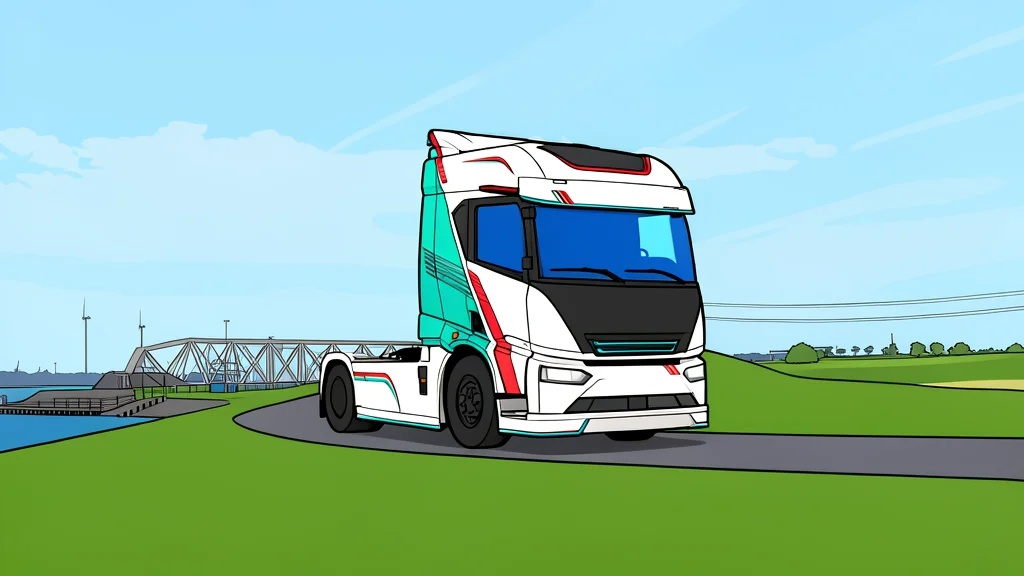
BYD is preparing to enter the European heavy commercial vehicle market with the launch of its 44-tonne electric tractor in the second quarter of 2027. The announcement, made at the IAA Transportation trade fair in Hanover, signals a significant shift in the competitive landscape, as Chinese manufacturers increasingly challenge long-standing European truckmakers. The company has stated its long-term intention to produce all vehicles sold in the region locally, a move designed to reduce reliance on imports and mitigate the impact of potential trade barriers.
Stella Li, BYD’s executive vice-president for international business, emphasized that local manufacturing is key to establishing a permanent presence. She noted that once production is fully localized, BYD will effectively become a European company. While the specific location for truck assembly has not been disclosed, the manufacturer is already constructing a passenger car plant in Hungary, where mass production is expected to begin in 2027. This strategy aims to address concerns over import tariffs and supply chain stability.
High-power charging defines new operational standards
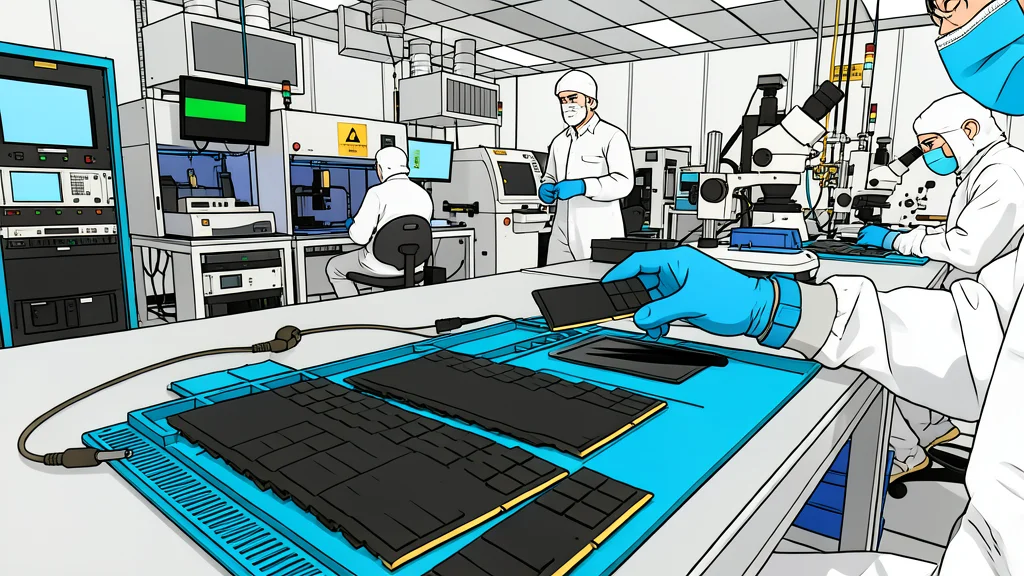
The centerpiece of the launch is the ETT 44, a battery-electric tractor designed for combinations up to 44 tonnes. It features a 651 kWh Blade Battery and claims a range of approximately 600 kilometers, powered by a motor capable of producing up to 1,000 horsepower. A critical differentiator for long-distance logistics is the charging speed. BYD’s new 1.5 MW charging system can replenish the battery from 20% to 80% in roughly 20 minutes, adding about 400 kilometers of driving range. This rapid turnaround aims to minimize downtime for fleet operators.
BYD is not selling the truck in isolation but is offering an integrated package that includes financing, energy management, and after-sales support. The plan includes solar-powered charging infrastructure and a network of workshops backed by mobile roadside assistance. This holistic approach seeks to lower the barrier to entry for operators transitioning from diesel to electric fleets by bundling the necessary services and infrastructure.
Grid capacity lags behind vehicle technology
Despite the technological advancements, the rollout of such vehicles faces a significant infrastructure bottleneck. German logistics association DSLV has warned that vehicle technology is advancing much faster than the electrical grid and charging infrastructure can keep up. Frank Huster, the association’s chief executive, stated that the critical question is no longer the availability of powerful electric trucks, but whether the power supply can support them. This gap could delay the widespread adoption of zero-emission fleets.
A study commissioned by DSLV from RWTH Aachen University estimates that German road freight could require 156 terawatt-hours of electricity annually by 2045, which is 39 times the current consumption of the sector. Much of this demand is expected to occur at logistics depots, making grid connections at these sites a crucial factor. As noted in reporting by GN auto tech/ev: electric vehicle, the ability of the grid to handle this load remains a major trade-off for operators considering electric trucks.
Local production mitigates tariff risks
The push for local manufacturing also serves as a strategic defense against trade policy changes. The European Union currently imposes additional anti-subsidy duties on battery-electric cars from China, and some European truckmakers have called for similar measures to cover electric trucks. BYD executives view these tariffs as a short-term hurdle while they build local capacity. By producing vehicles within Europe, the company aims to insulate its business from these financial penalties and ensure long-term market access.