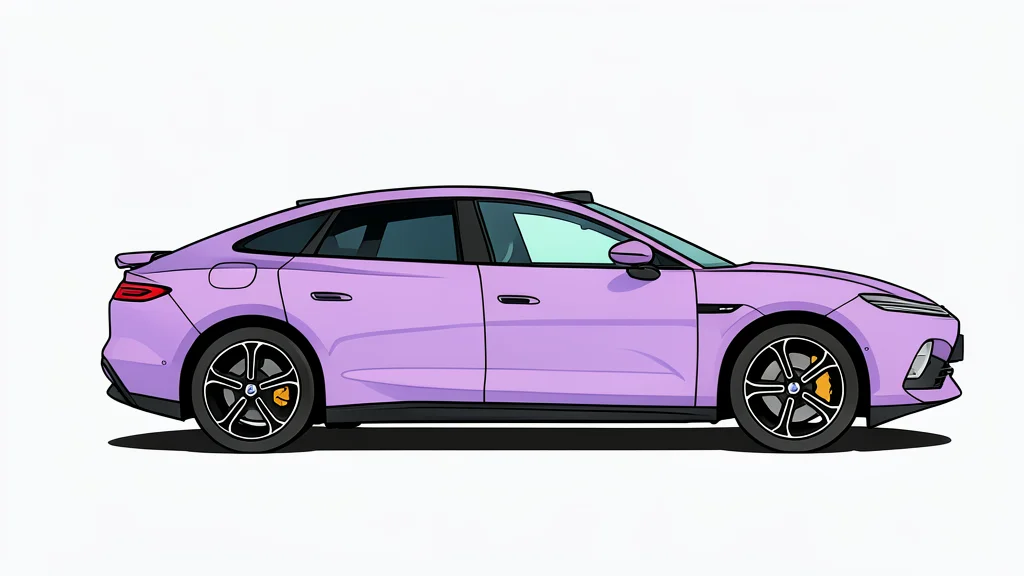
Geely Starts American Production at Renault Plant
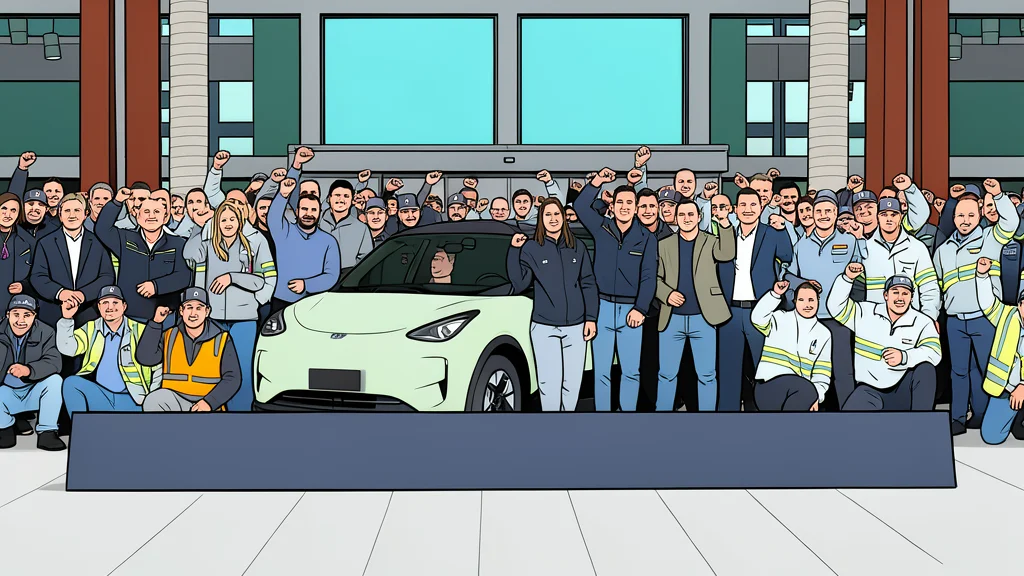
Geely has begun manufacturing its first vehicles in the Americas at a Brazilian facility owned by Renault, marking a significant shift in the region's automotive supply chain.
Geely has officially started building cars in the Americas for the first time, utilizing a plant in southern Brazil that is majority-owned by Renault. This move allows the Chinese manufacturer to produce its EX5 plug-in hybrid SUV locally, reducing reliance on imports and establishing a physical presence in the region's largest automotive market.
The joint venture has committed an additional 2 billion reais, approximately 389 million dollars, to expand operations. This investment brings the total program funding to 1.13 billion dollars over the next three years. According to GN auto tech/ev, this financial commitment underpins the production of new models and the adaptation of the factory to handle multiple powertrain types simultaneously.
Local Production Reduces Import Costs
The primary vehicle being assembled is the Geely EX5, a compact SUV that competes with established models like the Jeep Compass and Toyota Corolla Cross. By manufacturing the car locally, Geely can offer it at a competitive price point without the high tariffs and shipping costs associated with imports from China. The locally built version is expected to hit dealership floors before the end of the year.
Following the EX5, Geely plans to introduce the EX2, a battery-electric hatchback that was a top seller in China. This sequential rollout allows the company to test local consumer demand for both hybrid and fully electric options. However, the trade-off is that these models are still relatively new to the Latin American market, meaning long-term reliability data and parts availability are not yet established compared to older European or American brands.
Factory Adaptation Enables Multi-Technology Assembly
The Ayrton Senna Industrial Complex in Paraná state has undergone significant modifications to accommodate Geely’s Global Intelligent Electric Architecture. The facility can now produce combustion, hybrid, and fully electric vehicles on the same production lines. This flexibility is crucial for meeting the diverse needs of the Brazilian market, where ethanol-blended fuels remain popular alongside growing interest in electrification.
Renault continues to use the site for its own lineup, including the Duster and Kwid. The partnership grants Geely access to Renault’s existing dealer network and industrial base, while Renault gains access to Geely’s electric platform. This shared infrastructure lowers the entry barrier for Chinese brands but also creates dependency on the success of the joint venture, as both companies are now tied together in a single operational framework.
Strategic Hedge Against Market Shifts
The collaboration represents a strategic hedge across three different powertrain technologies. Geely is focusing on plug-in hybrids and battery-electric vehicles, while Renault is investing in flex-fuel hybrids that run on ethanol. This approach allows the joint venture to cover a wide range of consumer preferences and fuel availability. It also positions them to compete directly with BYD, which has its own manufacturing plant in Brazil.
Brazil accounts for more than 40% of vehicle registrations in Latin America, making it a critical market for global automakers. By localizing production, Geely and Renault are insulating themselves from potential trade policy changes and currency fluctuations. The catch is that this level of integration requires deep coordination between two corporate cultures and operational standards, which can slow down decision-making and limit the agility typically associated with smaller, independent manufacturers.