AI Demand Pushes Smartphone Memory Costs Higher
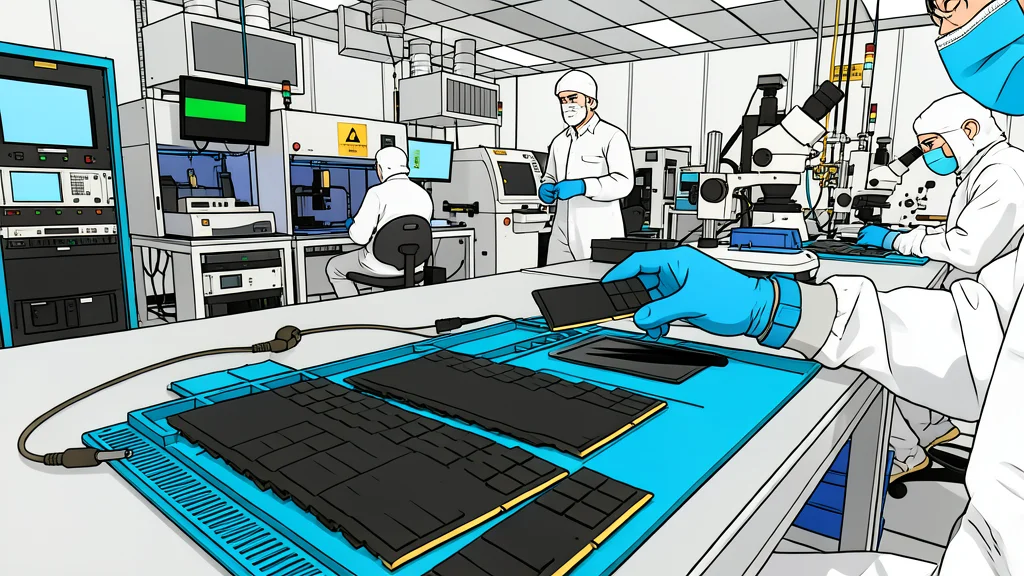
Samsung is reportedly preparing to raise prices for mobile memory chips by up to 10%, a move driven by the high demand for AI components that is tightening global supply.
Samsung Electronics is reportedly considering a price increase of 7 to 10 percent for the memory chips used in smartphones. This potential hike applies to both DRAM, which acts as the device's short-term memory, and NAND flash, which stores user data. The move comes as the company shifts its production focus toward high-bandwidth memory for artificial intelligence servers, reducing the availability of components for mobile devices.
According to reports from GN technics/mobile (en-US), this shift is part of a broader reallocation of manufacturing capacity. Suppliers are prioritizing higher-margin products for the AI sector, which directly impacts the supply of low-power memory variants required for phones. For manufacturers, this means facing tighter sourcing options and increased costs for a critical component that enables everything from multitasking to gaming.
AI infrastructure drives memory shortages
The root of this price pressure is the booming demand for AI chips. High-bandwidth memory, or HBM, is essential for these advanced systems and offers manufacturers significantly higher profit margins than standard smartphone memory. As a result, production lines that could previously have produced standard mobile chips are being redirected to meet the urgent needs of the AI infrastructure market.
This reallocation creates a supply squeeze for the mobile industry. While phones require reliable and energy-efficient memory, the AI sector demands high-volume, high-performance components. The trade-off is clear: as factories prioritize the lucrative AI market, the pool of available memory for smartphones shrinks, forcing device makers to compete for a smaller share of global output.
Manufacturers face tough cost choices
Smartphone makers are now in a difficult position. If memory prices rise, they must decide whether to absorb the cost, which reduces profit margins, or pass it on to consumers through higher retail prices. Another option is to reduce the amount of memory or storage in their devices, though this risks making the phones less competitive in a market that values performance and capacity.
Samsung’s own phone division is not immune to these pressures. Despite being part of the same corporate group, its semiconductor and mobile businesses operate as separate units. This means the phone division must purchase memory at the new, higher market rates, just like its competitors. The internal structure does not provide a shield against the rising costs of its core components.
Apple holds stronger negotiating leverage
Not all buyers are affected equally. Apple is reported to purchase significantly more NAND memory for its phones than Samsung or other competitors like Xiaomi. This massive volume gives Apple considerable bargaining power in negotiations with suppliers. As a top-tier customer, Apple can potentially secure better pricing or more favorable supply commitments.
However, even large buyers face limitations in a tight market. The overall supply environment remains constrained by the shift toward AI production. While volume helps, it does not guarantee immunity from price hikes if the supplier’s capacity is fully committed to higher-margin AI products. The outcome of these negotiations will depend on how much flexibility suppliers have to divert production back to the mobile sector.