BYD Recalls 183,000 Cars over Faulty Brake Pedal Stoppers
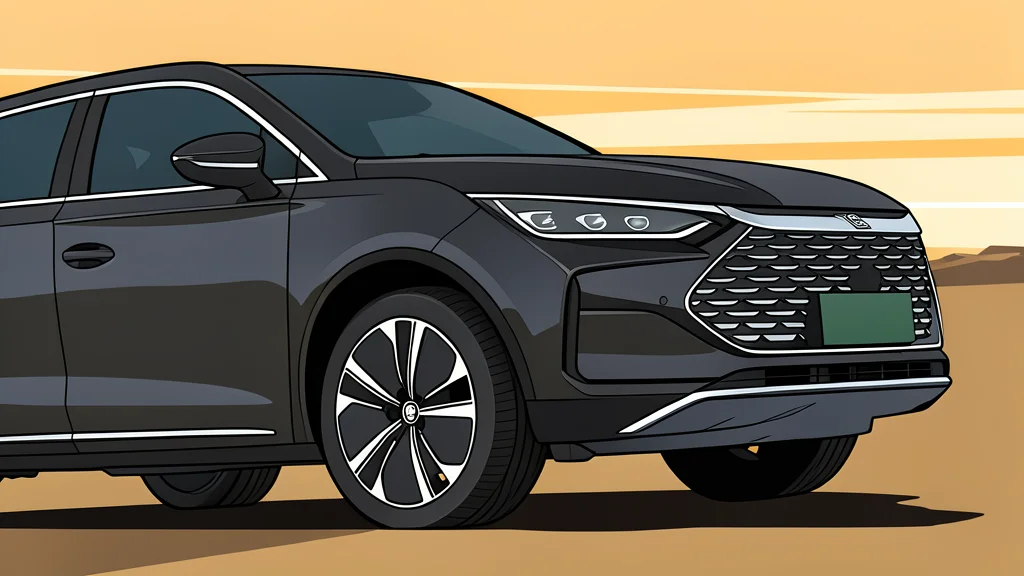
BYD has initiated a major recall in China for over 183,000 older vehicles due to a defect in the brake pedal assembly that can leave brake lights permanently on. The issue stems from manufacturing flaws in the rubber stoppers that define the pedal's rest position.
BYD is recalling 183,211 vehicles in China to address a manufacturing defect in the brake pedal stoppers. These components are responsible for setting the resting position of the brake pedal. According to filings with China’s State Administration for Market Regulation, the defect can cause the stoppers to crack or deteriorate over time. In severe cases, the stopper may detach entirely, resulting in the brake lights remaining illuminated even when the driver is not pressing the pedal.
The recalls cover the Tang SUV family and the Qin sedan line, both part of BYD’s Dynasty series. The two filings were published on Friday and take effect immediately. As reported by GN auto tech/ev, this is the third large-scale recall campaign BYD has issued in less than twelve months. Unlike previous recalls that were prompted by regulatory investigations, this one was initiated voluntarily by the manufacturer to address the specific component failure.
The Defect and Safety Implications
The core issue lies in material abnormalities within certain batches of brake pedal stoppers. While the defect does not affect the actual braking performance of the vehicle, it creates a significant safety hazard by sending misleading signals to other drivers. A vehicle with permanently lit brake lights can cause confusion in traffic, potentially leading to rear-end collisions or erratic driving behavior from following motorists. The regulator has classified this as a safety hazard due to the risk of misinterpretation by other road users.
The affected vehicles were produced between mid-2014 and early 2022. The first filing covers 142,895 Tang series vehicles, including both battery-electric and plug-in hybrid models. The second filing includes 40,316 Qin sedans built between 2014 and 2019. BYD will have authorized dealers replace the affected stoppers with improved parts at no cost to the owner. If a vehicle has already received the improved part during a previous service, it will not require a second replacement.
Context of Recent Recalls
This recall follows two other significant campaigns by BYD in the past year. In October 2025, the company recalled 115,783 Tang and Yuan Pro electric vehicles due to component design defects and battery-sealing issues. A month later, BYD recalled 88,981 Qin Plus DM-i plug-in hybrids over battery pack consistency problems that could limit power output. The current recall is the largest of the three in terms of unit count, highlighting a pattern of quality control challenges for the automaker in its older vehicle lineup.
Financial and Market Pressure
These recalls occur at a time of significant financial pressure for BYD. The company’s first-half net profit fell by 20.5% due to the intense price competition in China’s electric vehicle market. Group sales for the first eight months of the year decreased by 6.8% year on year, despite a record month for exports in August. The industry as a whole is facing slim margins, with Chinese automakers’ collective profit margin hitting a historical low of 1.5% in early 2026.
The models involved in this recall are now out of production, with BYD shifting focus to newer names like the Da Tang EV and Qin MAX. However, the legacy fleet remains on the road, and the cost of these recalls adds to the company’s financial burden. The trade-off for BYD is clear: addressing the safety concern now is necessary to maintain consumer trust, but it comes at a time when profit margins are already under severe strain from market competition and operational costs.