Germany's EV Boom Threatens Road Funding Stability

The rapid adoption of electric vehicles in Germany is creating a significant fiscal gap. As drivers switch away from gasoline and diesel, the state is losing a primary source of revenue used to maintain its infrastructure.
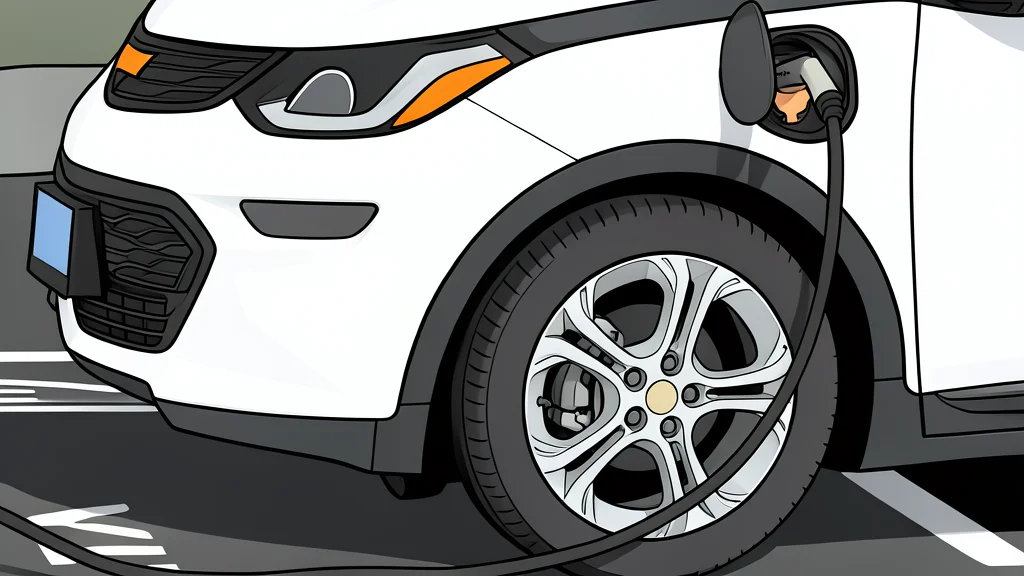
Germany’s transport infrastructure relies heavily on taxes collected from fossil fuel consumption. For decades, every liter of gasoline or diesel sold contributed directly to the national budget, helping to fund road maintenance and public transit. However, this model is under strain as more consumers choose battery-electric vehicles, which do not consume fuel and therefore generate little to no energy tax revenue.
According to data reported by GN auto tech/ev: electric vehicle, electric car sales in Europe rose by nearly 30 percent in the first quarter of 2026 compared to the same period last year. While this growth is seen as a positive step for climate goals, it presents a complex challenge for German policymakers who must now find new ways to finance the country's extensive road network.
Fuel taxes remain the main funding source
The current tax structure in Germany is heavily skewed toward internal combustion engines. A liter of gasoline contains a tax component of over 65 cents, while diesel carries a burden of nearly 47 cents. When combined with carbon levies and value-added taxes, more than half of the price at the pump goes directly to the government. This system has been described by experts as a lucrative windfall for the state, providing billions of euros annually.
In contrast, charging an electric vehicle incurs only minimal electricity taxes. This means that as the fleet of electric cars grows, the government loses a substantial portion of its income. Jens Boysen-Hogrefe, a tax expert at the Kiel Institute for the World Economy, noted that the finance ministry does not benefit from this transition. In fact, the shift actively reduces the revenue stream that has traditionally supported road infrastructure.
Revenue projections show a steep decline
The decline in fuel tax revenue is already visible in official statistics. Data from the Federal Statistical Office shows that revenue from diesel and gasoline taxes dropped from 37 billion euros in 2016 to 33 billion euros last year. A report by the scientific advisory committee to the German Transport Ministry predicts that if current trends continue, this figure could fall to as low as 5 billion euros by 2050.
This potential shortfall raises serious questions about how roads will be maintained in the future. The committee warned that the fiscal implications of the electric vehicle transition have not been sufficiently discussed in public policy debates. Without adjustments to the tax system, the road network could become a financial burden rather than a self-sustaining asset for the federal government.
International models offer potential solutions
Other countries are already experimenting with alternative funding mechanisms to address this issue. In the United Kingdom, a new levy on electric cars is scheduled to take effect in 2028. This charge, known as the Electric Vehicle Excise Duty, will impose a small fee per mile driven on fully electric vehicles and a lower rate on plug-in hybrids.
New Zealand and Iceland have adopted different approaches, requiring annual odometer checks for electric vehicles to calculate mileage-based fees. These models shift the burden from fuel consumption to actual usage, ensuring that drivers pay for the road wear they cause regardless of their vehicle's powertrain. Experts in Germany argue that similar measures are needed, warning that legislative changes take time and should not be delayed until the financial gap becomes unmanageable.