Satechi CubeDock Adds Fast Storage and Ports to Mac Mini
Satechi’s new Thunderbolt 5 docking station solves the port shortage on Apple’s compact desktops while adding a built-in slot for high-speed solid-state drives.
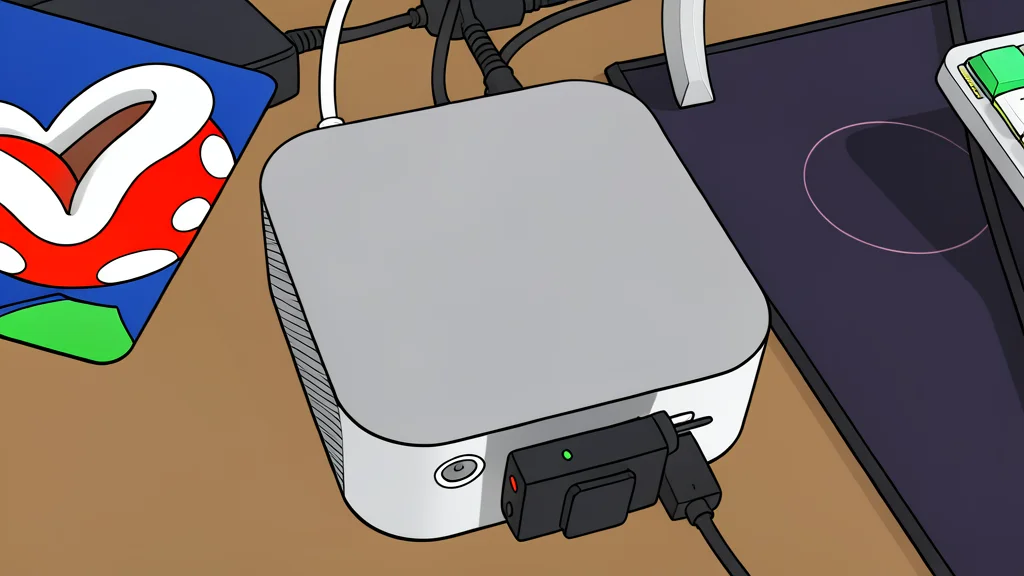
Apple’s Mac Mini is compact and efficient, but it comes with a limited selection of ports that often leaves creators and professionals reaching for adapters. Satechi has addressed this gap with the Thunderbolt 5 CubeDock, a silver metal unit that mirrors the footprint of the computer it serves. The device not only expands connectivity but also integrates a storage bay, allowing users to add external solid-state drives without needing a separate enclosure.
As reported by XDA Developers, the dock targets users who need a premium solution for expanding their workspace. It leverages the latest Thunderbolt 5 technology to deliver high-speed data transfer rates. However, the convenience of having storage and connectivity in one small box comes with a steep price tag, positioning it as a niche upgrade rather than a mass-market accessory.
Integrated storage changes the workflow
The most significant feature of the CubeDock is its internal bay for M.2 solid-state drives. This eliminates the need for a separate external drive enclosure, reducing cable clutter and simplifying the setup. For users who frequently move large files between a camera and a computer, this integrated approach offers a more streamlined experience. The dock supports various drive sizes, ensuring compatibility with a wide range of storage options.
The performance of the internal drive is a key selling point, offering speeds that rival internal storage on many laptops. This makes it a viable option for video editors or photographers who need quick access to their media libraries. The seamless integration means that the storage feels like a native part of the system, rather than an add-on that requires extra management.
Port selection covers most needs
The rear panel of the dock features three downstream Thunderbolt 5 ports, a standard USB-C port, a USB Type-A port, and a 2.5-gigabit Ethernet connection. The front panel adds another USB-C port with power delivery, a USB Type-A port, and slots for both full-size SD and microSD cards. This variety ensures that most peripherals can be connected directly without the need for additional hubs.
However, the dock lacks a dedicated HDMI output, relying instead on USB-C for video. This is a trade-off that may require users to have compatible monitors or adapters. While the selection is robust, the absence of a universal video standard port is a notable limitation for setups that rely heavily on traditional display connections.
Premium design meets high cost
The CubeDock is built with a metal chassis that feels solid and durable, matching the aesthetic of Apple’s hardware. The design is clean and minimal, with a power button that allows users to turn off the device completely, saving energy when not in use. The build quality is high, with no creaks or flex, and the card slots are well-designed to prevent common issues like stuck cards.
At a price of $399.99, the dock is positioned at the upper end of the market. This cost reflects the premium materials and the integrated storage capability, but it is still a significant investment for a docking station. Buyers must weigh the convenience and performance gains against the price, especially if they already have a separate storage solution and a basic hub.