Xpeng Seeks Revenue from Vehicle Tech Licensing
The Chinese automaker is moving beyond selling cars to licensing its software and electronic architecture to other manufacturers.
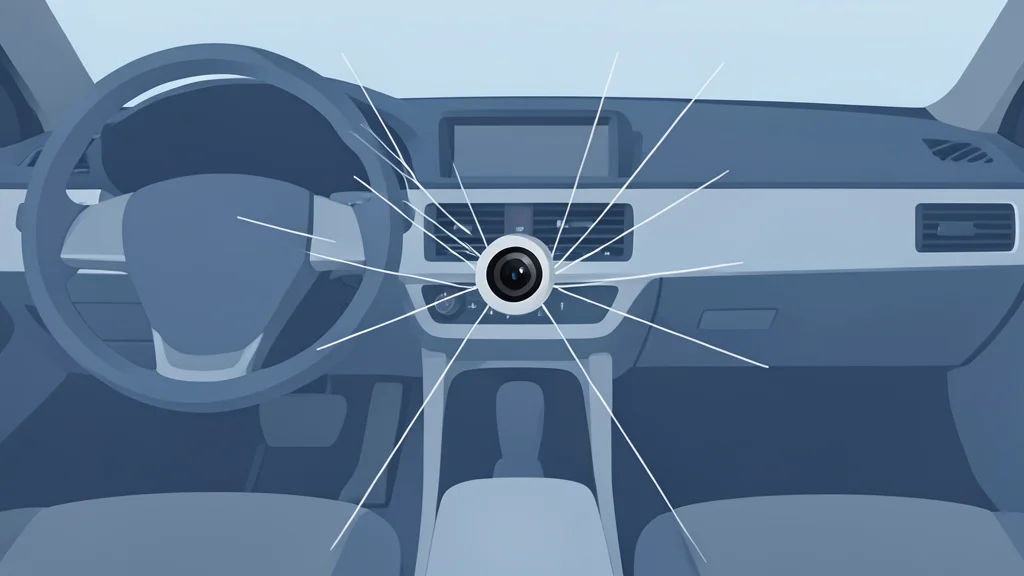
Xpeng is attempting to transform its business model by selling the digital backbone of its electric vehicles rather than just the cars themselves. The company has begun contacting potential partners to license its software, chips, and electrical architecture, aiming to generate revenue from technology services. This shift reduces reliance on direct vehicle sales, which can be volatile and capital-intensive.
The move positions Xpeng as a technology supplier within the automotive industry. By offering its internal platforms to other brands, the company hopes to capture value from the complex electronics and driver-assistance systems that define modern EVs. This strategy treats the vehicle's computing hardware and software as standalone products that can be integrated into competitors' or partners' designs.
Volkswagen partnership validates technical capability
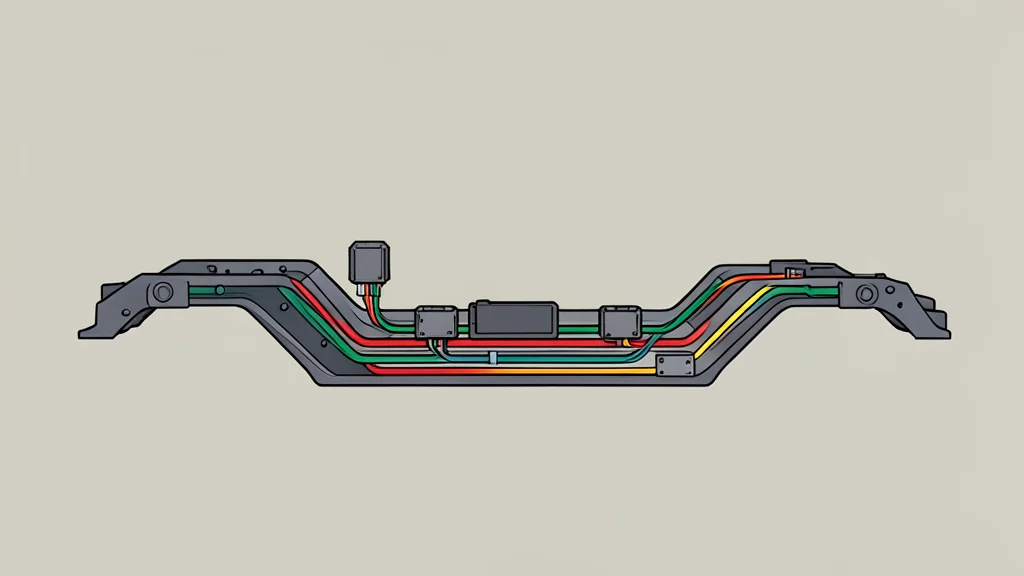
The credibility behind this strategy rests largely on Xpeng's collaboration with Volkswagen. The two companies are jointly developing a zonal electrical architecture for EVs produced in China, with deployment planned for 2026. This system simplifies vehicle electronics by organizing functions into zones, reducing wiring complexity and improving software management.
For Xpeng, this partnership serves as practical proof that its technology can be integrated into a major global automaker’s production process. As noted by GN auto tech/ev: electric vehicle, this integration demonstrates that Xpeng’s systems meet the rigorous standards required for mass-market vehicles. It provides a tangible reference point for other potential clients who may be skeptical about adopting third-party technology.
Speeding up development cycles for clients
A key selling point for Xpeng is the ability to accelerate vehicle development. Traditional automotive cycles are long, involving extensive coordination across design, engineering, and manufacturing. By leveraging Xpeng’s existing platform, partners can significantly reduce this timeline. Volkswagen reported that the joint development cycle for two mid-size models would be cut by more than 30%.
This efficiency is critical in a market where software updates and hardware changes occur rapidly. However, the trade-off is that partner automakers must cede some control over their core digital infrastructure. They become dependent on Xpeng’s roadmap for updates and maintenance, which could create long-term strategic risks if the relationship sours or if Xpeng’s priorities shift.
Shifting from hardware to services
The broader industry trend is moving away from hardware-centric profits toward software and services. While batteries and motors remain essential, the differentiating factors in EVs are increasingly digital. Xpeng’s approach mirrors the tech industry, where platforms are licensed to multiple users rather than sold as single units. This allows for higher margins and recurring revenue streams.
Yet, this transition is not without challenges. Licensing technology requires robust support, documentation, and compatibility assurance. If Xpeng cannot maintain the quality and responsiveness expected by enterprise clients, the value proposition diminishes. The success of this model will depend on whether Xpeng can manage multiple customer relationships while continuing to develop its own vehicle lineup.