California Signs Six Bills to Fast-Track EV Charging Buildout
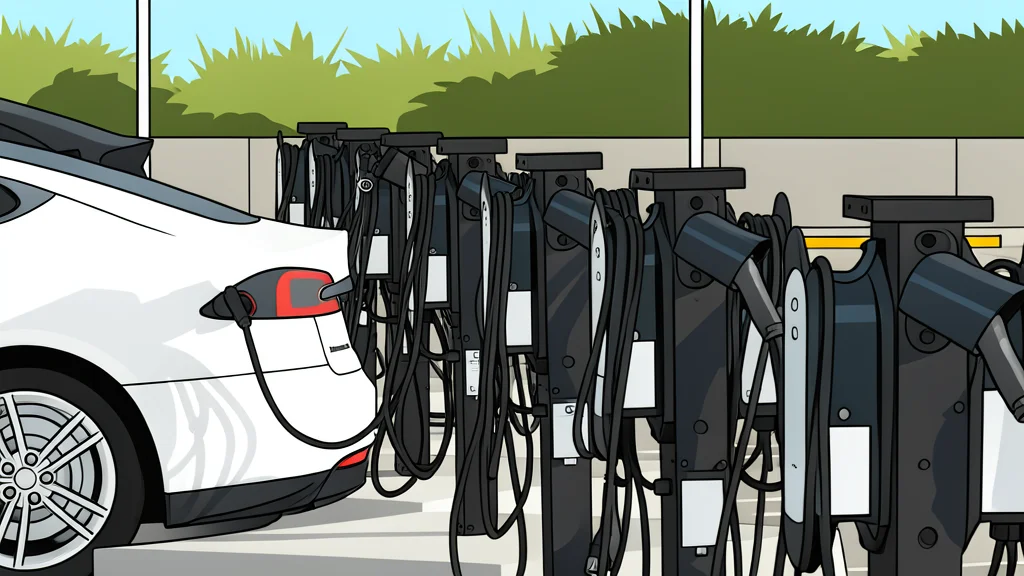
New laws target permitting delays and apartment access to help meet a goal of 400 new chargers daily.
Key points
- Six new bills streamline the permitting and inspection process for electric vehicle charging stations in California.
- Legislation reduces barriers for renters and apartment dwellers to access charging infrastructure.
- The state aims to install 400 new chargers daily through 2030 to meet clean transportation goals.
California Governor Gavin Newsom has signed a package of six bills designed to remove bureaucratic hurdles slowing the adoption of electric vehicles. The legislation focuses on streamlining the inspection and permitting processes for public charging stations, which have often faced delays due to outdated safety checks and fragmented approval rules for related infrastructure like electrical upgrades.
According to Automotive World, this move addresses a critical gap in the state’s transportation strategy. The state aims to install more than 400 new chargers every day through 2030, a pace that current administrative bottlenecks make difficult to achieve. The new rules specifically aim to prevent ancillary work, such as trenching and solar canopy installation, from becoming separate regulatory obstacles.
Simplifying inspections and permitting
Two of the signed bills, SB 969 and SB 1283, directly target the physical build-out process. SB 969 modernizes the inspection regime for public chargers, allowing units tested by original manufacturers to activate faster while maintaining safety standards for consumers. This removes a layer of redundant local testing that previously delayed the launch of new stations.
SB 1283 expands streamlined permitting rules to cover the broader ecosystem of charging infrastructure. By including electrical upgrades, battery storage, and solar canopies under the same simplified process, the state prevents these necessary components from triggering separate, time-consuming permits. This holistic approach is intended to accelerate the overall deployment speed without compromising grid stability.
Expanding access for renters
A significant portion of the package addresses the challenges faced by drivers without private driveways. AB 1820 reduces permitting barriers and fees for installing chargers in apartments and mixed-use developments. This is a crucial step for broadening EV adoption among renters, who have historically been underserved by charging infrastructure due to complex property management regulations.
The remaining bills focus on consumer transparency and specific vehicle types. SB 1213 improves price and incentive clarity for zero-emission trucks, while SB 1267 and SB 615 ease access for residents of homeowners’ associations and require clearer battery information during model comparisons. These measures aim to reduce uncertainty for consumers evaluating the total cost of ownership and maintenance of electric vehicles.
Legal and financial context
This legislative push occurs amid an ongoing legal dispute over California’s authority to set stricter emissions standards than the federal government. The state’s Clean Air Act waiver, which allows it to mandate its own rules, is currently under challenge by the federal administration. However, the practical impact of these new charging laws extends beyond California, as roughly a dozen other states, including New York and Washington, adopt California’s framework.
Financially, the new laws build on existing incentives like MyFirstEV, which offers rebates of up to $3,500 for new electric vehicles. The state has invested $135.5 million in this program, matched by automakers, creating a combined $271 million in point-of-sale savings. While the state already operates over 216,000 public charging plugs, the new bills are designed to ensure that the pace of installation can meet the ambitious daily targets required for full electrification.