KAUST Patch Tracks Antibiotic Levels in Real Time
A wearable microneedle patch offers continuous antibiotic monitoring, replacing infrequent blood draws with real-time data.
Key points
- The KAUST wearable patch tracks vancomycin levels in interstitial fluid in real time.
- Microneedles coated with DNA aptamers generate electrochemical signals for data transmission.
- Mouse studies showed stable tracking over four hours, revealing individual dosing differences.
Researchers at King Abdullah University of Science and Technology have developed a wearable patch that monitors antibiotic levels in the body without requiring blood draws. The device uses microneedles to sample interstitial fluid, providing continuous data on drug concentrations. This approach aims to address the limitations of traditional lab tests, which offer only occasional snapshots of a dynamic biological process.
The system is specifically designed to track vancomycin, a potent antibiotic with a narrow therapeutic window. Because small changes in concentration can lead to toxicity or treatment failure, precise dosing is critical. The patch allows for personalized adjustments based on real-time physiological responses rather than static average values.
Continuous Monitoring Replaces Intermittent Blood Draws
Current standard practice involves drawing blood and waiting hours for laboratory results. This method fails to capture how rapidly drug levels fluctuate after administration. As reported by news-medical.net, the new device bridges this gap by continuously sampling the fluid between skin cells, where drug concentrations closely mirror those in the bloodstream.
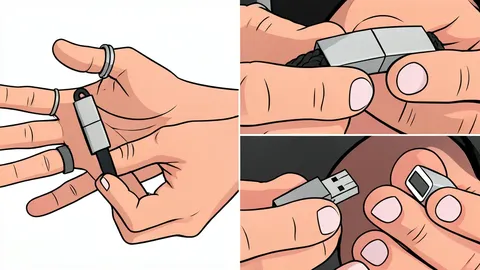
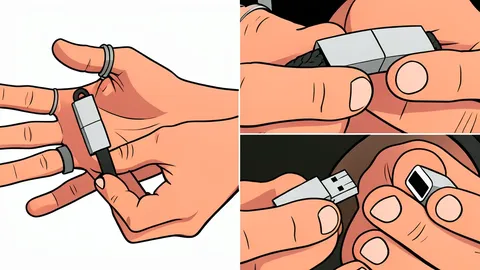
The patch contains an array of tiny needles that penetrate only the outer skin layers. These microneedles are coated with DNA aptamers, short strands that bind to the target drug. When vancomycin binds to these aptamers, they change shape, generating an electrochemical signal that indicates the current drug concentration.
Data Transmission and Clinical Utility
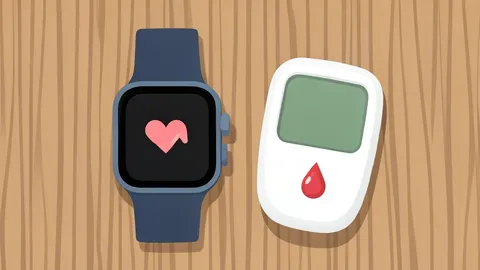
A miniature mobile potentiostat processes the electrical signals and converts them into estimated drug levels. This data is transmitted wirelessly to a smartphone application, eliminating the need for complex laboratory equipment. This setup enables monitoring in hospitals, clinics, and even at home, potentially reducing the frequency of hospital visits and repeated blood draws.
Initial studies in mice demonstrated that the device could track repeated dosing events over four hours. Laboratory tests using artificial fluid showed stability for up to ten hours. The system also detected individual differences in drug levels among animals, highlighting the variability that standard testing often misses.
Safety Profile and Future Development
While the term microneedle may sound intimidating, the needles are significantly smaller and less invasive than conventional hypodermic needles. Researchers note that the device is comfortable to wear and does not cause significant pain. However, the technology is not yet ready for widespread clinical use.
Further work is required to improve long-term stability and complete biocompatibility studies. The team aims to validate the device in human trials before it can be deployed in medical settings. Despite these hurdles, the technology represents a shift toward more precise and patient-friendly drug monitoring.