Wrist Computing Faces Battery and Heat Limits
New flexible bands and secure chips aim to turn wrists into standalone computers, but power and heat remain major hurdles.
Key points
- New wearable devices aim to run standalone operating systems on the wrist, moving beyond simple phone companions.
- Battery life and heat generation are the main physical barriers preventing these devices from replacing smartphones.
- Projects like Polyera’s Wove and PlugOS use dedicated hardware to offer local, secure computing capabilities on the body.
A new wave of wearable devices is attempting to transform the human wrist into a standalone computing surface, independent of smartphones. These projects range from flexible e-ink bands that wrap around the arm to secure, thumb-sized chips designed to run full operating systems. The goal is to create a persistent, low-power platform that offers more functionality than a simple smartwatch companion.
This effort is not a recent invention driven by current tech trends. It builds on decades of experimental engineering, from early IBM prototypes running Linux on wristwatches to DIY makers who strapped Raspberry Pi hardware to their arms. As noted by Gadget Review, these historical attempts prove the concept is feasible, even if early versions were slow and bulky. Today’s iterations seek to refine these rough prototypes into viable consumer products.
Modern projects target independent computing
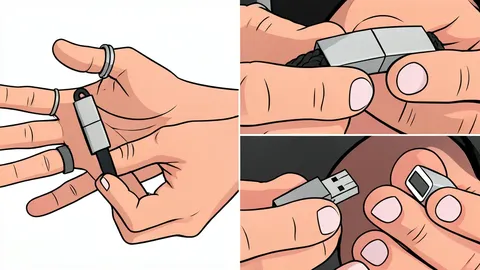
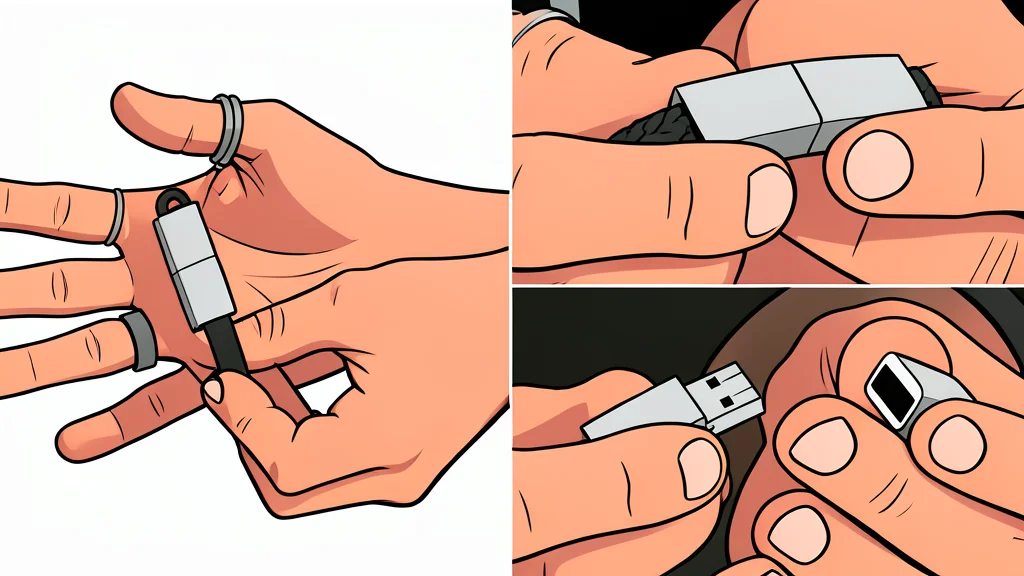
Current hardware reflects a shift toward self-contained systems. Polyera’s Wove band uses a flexible display to create a large canvas for interaction, running an Android-based platform. Meanwhile, PlugOS offers a secure, thumb-sized device with its own processor and memory, capable of connecting to various host systems without relying on a phone’s OS. These devices aim to provide a distinct platform for developers rather than just mirroring smartphone functions.
Other approaches focus on adaptability. The iKairos pendant, for example, features a detachable core that can switch between a wearable shell and a desk-based unit. This contrasts with mainstream watch operating systems like Wear OS, which primarily function as extensions of a phone. The distinction matters for users seeking privacy and independence, as these new devices handle data locally on dedicated hardware.
Power and heat limit usability
Despite the engineering progress, three physical constraints prevent these devices from replacing phones entirely. Battery life remains the primary bottleneck; running a full desktop environment drains power far faster than optimized watch software. A standard smartwatch might last two days, but emulating a heavier operating system on a wrist-sized battery significantly reduces that window. Users must accept frequent charging or reduced functionality.
Thermal management presents a second challenge. Because the device rests directly against skin, excessive heat generated by the processor is uncomfortable and potentially unsafe. Engineers must balance processing power with heat dissipation, often limiting performance to keep the device cool. Finally, the small display area forces significant user interface compromises, making complex tasks difficult to perform without a larger screen.
Engineering trade-offs define the future
Each of these problems is technically solvable in isolation, but addressing them simultaneously within a comfortable wearable remains an unsolved engineering gap. The wrist offers the most accessible real estate on the body, but the physical limits of size, power, and heat dictate what is actually possible. For now, these devices serve as specialized tools or developer platforms rather than universal replacements for smartphones.