Chevy Bolt's 51% Chinese Content and Missing Frunk Weigh on Sales
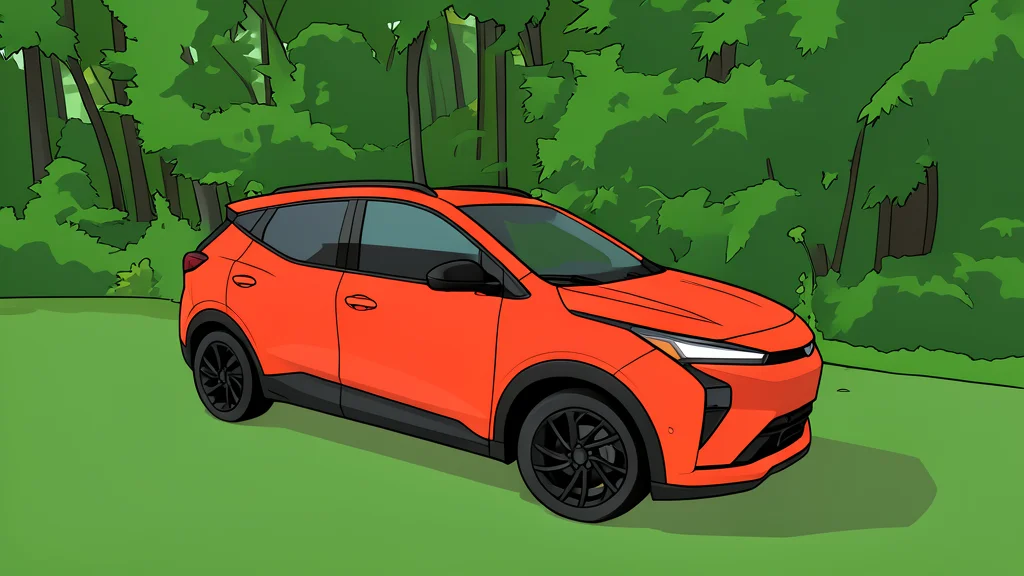
Despite aggressive pricing, the new Chevy Bolt faces hurdles like a missing front trunk and a new infotainment system that alienates some drivers.
Key points
- The base Chevy Bolt is priced under $30,000, but the well-equipped RS trim exceeds $37,000, creating a significant budget gap for consumers.
- The vehicle lacks a front trunk due to motor placement and has dropped self-sealing tires, reducing cargo space and road reliability compared to rivals.
- Replacing Apple CarPlay and Android Auto with Google Built-In has drawn criticism over missing map features and complex account requirements.
Chevrolet is pushing the new Bolt as America's most affordable electric vehicle, with base trims starting under $30,000. However, strong sales have not materialized, and industry observers point to specific packaging and software choices that may be driving buyers away. The car sits in a competitive gap where consumers are weighing value against practical features.
According to reporting by Torque News, the issue is not the car's quality, which reviewers describe as fun and comfortable, but rather a mismatch between marketing expectations and the physical reality of the vehicle. The window sticker reveals that the car is 51% Chinese in content, a detail that may complicate its position in a market sensitive to domestic manufacturing narratives.
Price gap confuses entry level shoppers
The headline price of roughly $29,000 refers to the base LT trim, which lacks many desirable features. The more equipped RS model, which includes the technology packages most buyers want, quickly climbs above $37,000. This 28% price jump from the advertised figure creates a budget shock for shoppers who were targeting the lower entry point.
Many buyers arrive at dealerships expecting the base price to cover a complete package, only to find that the 'good' version costs significantly more. This disconnect between media headlines and dealer quotes is a common friction point in the automotive industry, but it is particularly damaging for an entry-level EV where every dollar counts.
Missing frunk and spare tire
One of the most cited complaints is the absence of a front trunk, or frunk. Because the electric motor is positioned in the front, the space that would normally serve as extra storage is occupied. For a compact hatchback, this loss of cargo volume is a significant trade-off compared to competitors that manage to include a frunk.
Additionally, the vehicle no longer includes the self-sealing Michelin tires that were a highlight of previous models. While there is still no spare tire, the removal of the puncture-proof technology reduces the car's self-sufficiency on long trips. These packaging decisions prioritize cost and weight savings over the everyday convenience that electric vehicle buyers often expect.
Infotainment changes alienate some users
The 2027 Bolt replaces standard Apple CarPlay and Android Auto with Google Built-In. While technically similar, the new system has been criticized for lacking certain features, such as satellite map views, unless users maintain active OnStar accounts. This creates a more complex setup process compared to the plug-and-play experience of the previous generation.
For many drivers, the switch to a proprietary system feels like a step backward in usability. The inability to seamlessly integrate with existing phone ecosystems without additional subscriptions or sign-ins is a tangible drawback. In a market where software experience is a key differentiator, this friction can be enough to push a buyer toward a competitor like the Tesla Model 3.