NEO Battery Lands CAD 392K Automotive Order
A Toronto-based manufacturer secures a major purchase order from a top-tier car maker and gains certification for international shipping.
Key points
- NEO Battery secured a 392,000 CAD purchase order from a Fortune 500 automotive OEM.
- The company obtained UN 38.3 certification, enabling international shipping of its 11.5Ah cells.
- NEO is expanding capacity to support silicon, lithium-metal, and sodium-ion battery chemistries.
NEO Battery Materials Ltd. has secured a purchase order worth approximately 392,000 Canadian dollars from a major North American automotive manufacturer. This contract represents one of the largest deals in the company's history for its foundry manufacturing services, signaling a significant step in its commercial viability.
The deal follows months of rigorous testing where the automotive client evaluated NEO’s production quality and cost efficiency. By producing full battery cells according to specific customer requirements, NEO has demonstrated its ability to handle advanced development projects for next-generation electric vehicles, moving beyond small-scale evaluations into larger contractual commitments.
Foundry model drives automotive expansion
Unlike traditional battery makers that sell their own branded products, NEO operates under a foundry model. This means it manufactures cells based on the unique specifications provided by its clients. For the automotive sector, this allows OEMs to integrate advanced battery chemistry without managing the entire production line themselves. NEO’s role involves resolving process bottlenecks and optimizing production for specific vehicle models.
The company states that this agreement validates its engineering capabilities and operational efficiency. However, the trade-off for this flexibility is that NEO does not own the end-product brand. Its revenue depends entirely on securing and fulfilling specific client contracts, making it vulnerable to shifts in individual automotive manufacturers' strategic priorities and volume demands.
Certification unlocks drone market access
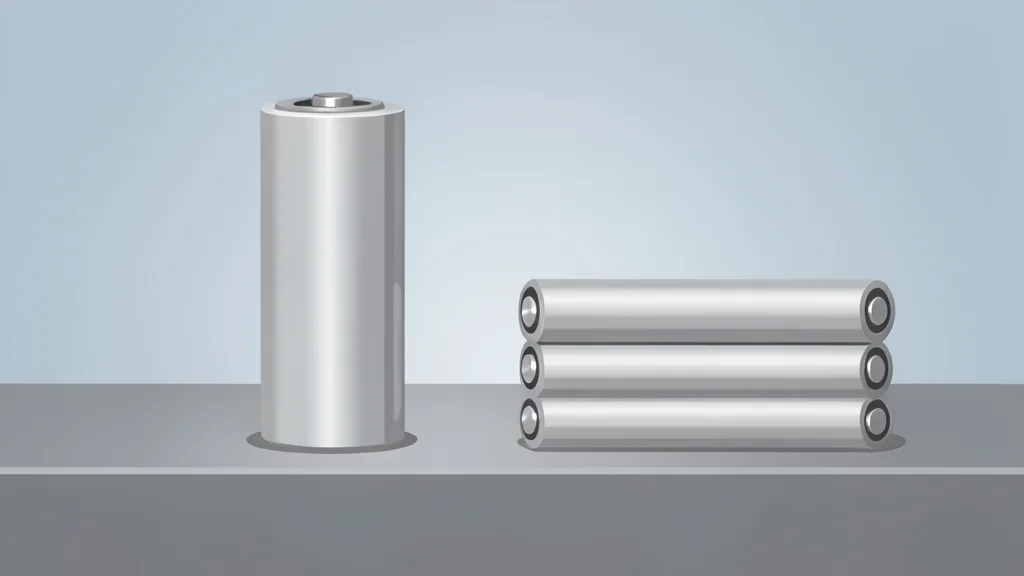
Simultaneously, NEO has obtained UN 38.3 certification for its 11.5Ah battery cell. According to Batteries News, this certification is mandatory for shipping lithium-ion batteries via air, sea, and land in most jurisdictions. It serves as a critical safety standard that verifies the battery’s integrity under transport conditions, such as temperature extremes and pressure changes.
With this clearance, NEO can now ship its products internationally for sampling and commercial validation. The company targets customers in the drone, defense, and aerospace sectors across the United States, Ukraine, Canada, and Europe. This expansion allows NEO to diversify its client base beyond the automotive industry, although it must still navigate complex international supply chains and varying regulatory standards in each target market.
Capacity expansion and chemical diversity
NEO is currently expanding capacity at its second cell assembly facility to meet growing demand. The company aims to support a variety of battery chemistries, including 100% silicon, lithium-metal, and sodium-ion options. This flexibility is designed to attract a wider range of downstream applications, but it also requires maintaining distinct production lines and quality control processes for each chemical variant.
Management emphasizes the goal of converting sample evaluations into long-term, high-volume orders. While the current 392,000 CAD contract is a notable milestone, it remains a small fraction of the capital investment typically required to sustain large-scale battery manufacturing. The company must continue to prove that its flexible model can achieve the consistent cost competitiveness needed to compete with larger, established battery giants.