Nio Opens 4,000th Swap Station, Adds Firefly Compatibility
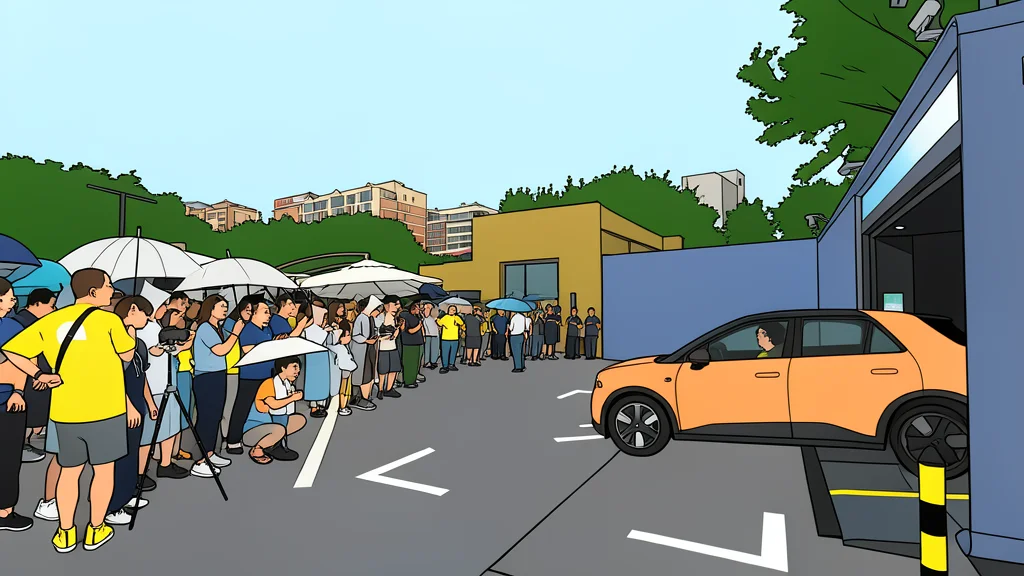
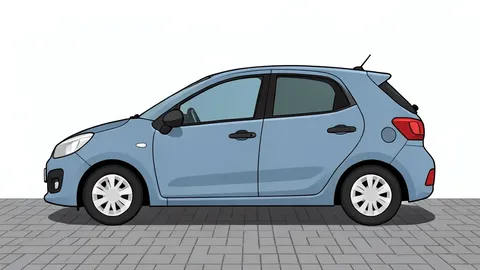
New fifth-gen stations in seven cities allow Nio to swap batteries for its small Firefly brand for the first time.
Key points
- Nio's fifth-gen swap stations now support wheelbases up to 3.5 meters, enabling Firefly compatibility.
- The company reached its 4,000th swap station in China, with cumulative swaps surpassing 120 million.
- Over 80% of urban users now have a swap station within three kilometers of their home or work.
Nio has activated its first batch of fifth-generation battery swap stations across seven Chinese cities, a move that officially integrates its smaller Firefly brand into the existing infrastructure. This expansion marks a significant shift in how the company manages its energy network, bridging the gap between its premium vehicles and its entry-level models.
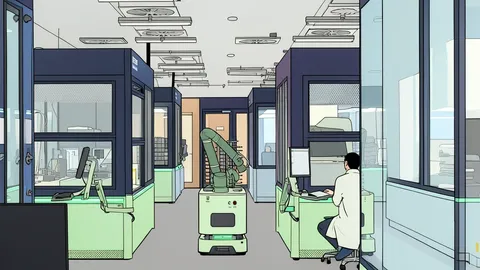
The new stations, deployed in locations including Beijing, Shanghai, and Quanzhou, utilize a redesigned internal platform. According to reports from Batteries News, this update addresses a long-standing limitation regarding vehicle dimensions, allowing the network to support a wider variety of car sizes without requiring separate infrastructure for each brand.
New platform removes size restrictions
The core improvement in the fifth-generation design is its ability to adjust its configuration in real time to locate fastening bolts. This flexibility allows the station to accommodate wheelbases up to 3.5 meters, a range that covers everything from compact hatchbacks to large sport utility vehicles. Previously, the Firefly was excluded from the swap network because its shorter wheelbase did not fit the mechanical constraints of older station models.
This change ensures that all vehicles from Nio, Onvo, and Firefly are now fully compatible with the same hardware. For consumers, this means a single network can serve their entire household, regardless of the specific model or price point of the car. It simplifies the user experience by removing the need to check which specific brand a station supports.
Network scale accelerates swap usage
The Quanzhou location, situated near the Qiaoxiang Gymnasium, served as the milestone site for Nio's 4,000th swap station in China. The company noted that cumulative battery swap services surpassed 120 million in early July, just six months after reaching the 100 million mark. This rapid increase suggests that the convenience of swapping is driving higher adoption rates among existing owners.
As of early August, Nio operates a total of 9,166 charging and swap facilities across the country. The network includes over 4,000 swap stations and 5,160 charging stations, with a significant portion located along major highway corridors. This widespread coverage aims to make electric vehicle travel as straightforward as traditional fuel stops, reducing range anxiety for long-distance trips.
Infrastructure supports premium sales growth
The expansion of the energy network is cited as a key driver for sales of higher-priced models. Nio reported that cumulative deliveries of its ES8 model have exceeded 130,000 units, securing its position as a best seller in the large SUV segment. The company attributes part of this success to the reliability and reach of its swap infrastructure, which appeals to buyers seeking convenience over charging time.
However, the strategy relies on maintaining high utilization rates across the network. While the inclusion of the Firefly brand increases the total number of compatible vehicles, it also dilutes the premium nature of the service. The company must balance the volume of smaller, less profitable cars against the revenue generated by its flagship models to ensure the infrastructure remains economically viable.