BYD Expands Seagull to Five Seats and 127 Horsepower
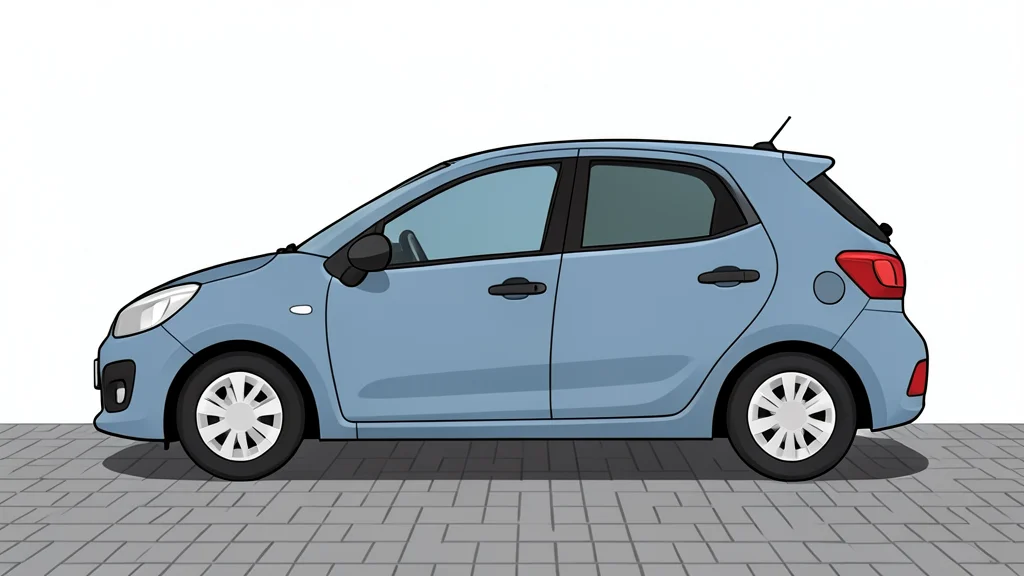
The second-generation BYD Seagull grows by 425 mm and adds a fifth seat to counter an 8-month sales slump.
Key points
- The second-generation BYD Seagull is 425 mm longer and features a new five-seat layout.
- Power output increases to 95 kW (127 hp), up from the previous 55 kW motor.
- Cumulative Seagull sales for the first eight months of the year fell 37.50% year-on-year.
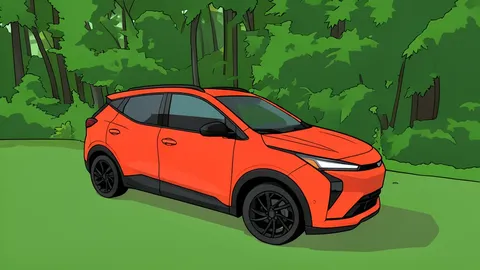
BYD has officially revealed design sketches for the second-generation Seagull, marking a significant expansion of its entry-level electric hatchback. The updated model addresses previous criticisms regarding interior space by adding a fifth seat and increasing overall length, aiming to broaden its appeal in the competitive small EV market.
This refresh comes at a critical juncture for the Chinese automaker, as sales of the current generation have faced sustained pressure. While August figures showed a slight recovery, year-to-date numbers remain significantly below last year’s levels, prompting BYD to accelerate the rollout of this larger, more capable successor.
Dimensions and seating capacity increase
Regulatory filings indicate the new Seagull measures 4,205 mm in length, which is 425 mm longer than the current version. The wheelbase has also been extended by 150 mm to 2,650 mm, creating more room for passengers. Most notably, the vehicle transitions from a four-seat to a five-seat configuration, bringing its physical dimensions closer to BYD’s Dolphin model.
The exterior design features a redesigned front end with trident-style headlights and a rising beltline that gives the car a sportier profile. According to Zhang Zhuo, general manager of BYD's Ocean lineup sales division, the update includes "reshaped lines and refreshed surfaces," though specific launch dates and pricing have not yet been disclosed.
Powertrain upgrades and driver assistance
Under the hood, the second-generation Seagull is set to offer substantially more power. Both electric variants utilize a permanent magnet motor with a maximum output of 95 kW, a significant jump from the previous generation’s 55 kW. This increase in horsepower should improve acceleration and highway usability, addressing a common limitation in the small EV segment.
Both models will use lithium iron phosphate batteries for cost efficiency and safety. One variant will offer optional LiDAR and additional radar sensors, enabling advanced driver-assistance features. This hardware aligns with BYD’s recent push to integrate urban navigation-assisted driving systems, even in its lower-priced vehicles, though it adds complexity and cost to the base model.
Sales performance remains challenging
The Seagull remains a vital part of BYD’s portfolio, with cumulative sales exceeding 1.5 million units since its launch in April 2023. However, the current model has struggled to maintain momentum, with cumulative sales for the first eight months of this year down by 37.50% compared to the same period last year, according to data compiled by CnEVPost.
August marked a minor turning point, with sales rising 5.56% year-on-year to 36,106 units, ending a twelve-month streak of declines. Nevertheless, the overall downward trend highlights the intense competition in China’s affordable EV sector. The larger, more powerful second-generation Seagull is expected to be BYD’s primary tool for reclaiming market share and stabilizing sales figures in the coming months.