Chinese Electric Cars Reshape South American Ride-Hailing
Rising fuel costs are pushing Brazilian ride-hailing drivers to switch to Chinese-made electric vehicles, significantly cutting daily operating expenses.
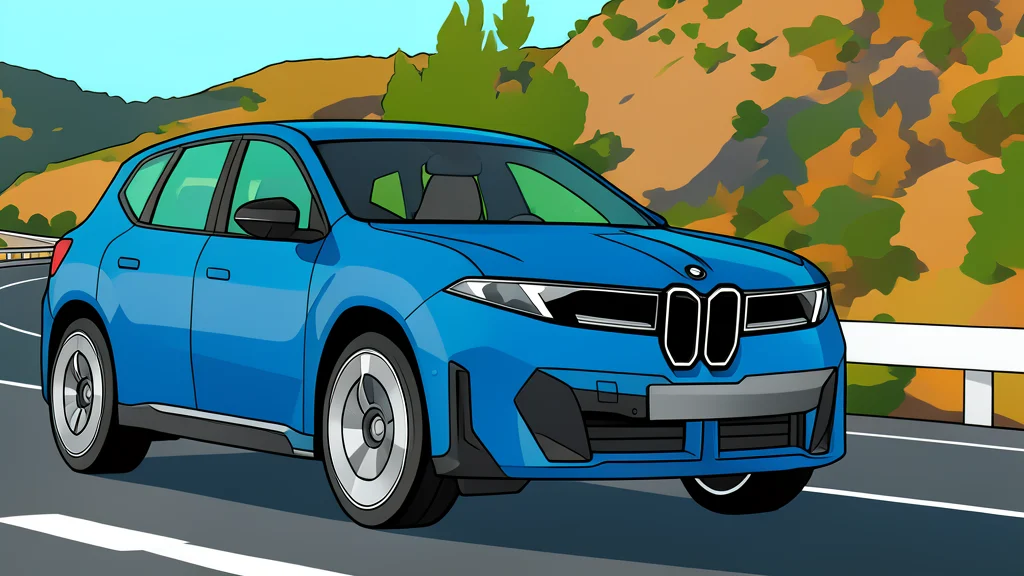
High global oil prices have severely impacted the ride-hailing industry across South America, squeezing the profits of self-employed drivers. In response, a wave of Chinese automakers and ride-hailing platforms is introducing electric and hybrid vehicles to the region, offering a practical solution for drivers looking to reduce their daily fuel bills. This shift is not just about environmental benefits; it is a direct financial necessity for those who rely on their cars to earn a living.
According to reports from GN auto tech/ev: electric vehicle, drivers in Brazil are increasingly switching to these new energy vehicles (NEVs) because they offer substantial cost savings. For example, a driver in Sao Paulo reported that operating a Chinese hybrid vehicle costs less than half as much as a comparable gasoline car. This economic advantage is compelling enough to overcome the initial hesitation many drivers feel about changing their primary tool of work.
Drivers Save Money With Switch
For most Brazilian ride-hailing drivers, the upfront cost of a new electric vehicle remains a significant barrier. The price tag, often exceeding 100,000 Brazilian reais, is a heavy burden for self-employed individuals. Consequently, many are hesitant due to concerns about loan repayments, the vehicle's resale value, and the time spent charging. However, the long-term savings in fuel and maintenance are beginning to tip the balance in favor of electric options.
To address these concerns, Chinese ride-hailing platforms are partnering with local businesses to create more accessible options. One such platform, operated by DiDi Chuxing, has signed an agreement with a Brazilian car rental company to provide drivers with lower-cost electric vehicle rentals. This model allows drivers to access the technology without the full risk of ownership, with some reporting operating cost reductions of up to 80 percent compared to gasoline vehicles.
Infrastructure Gaps Limit Adoption
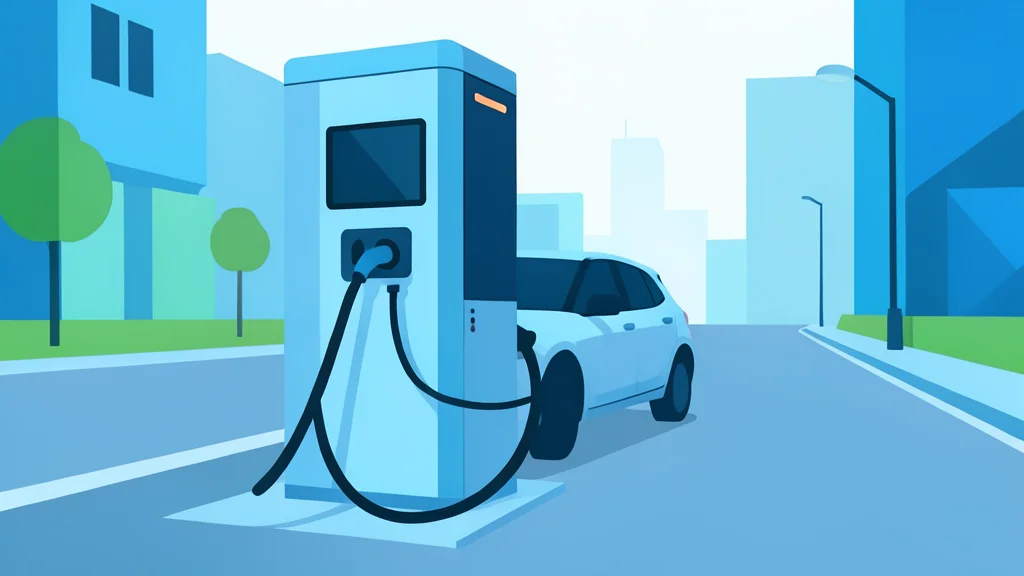
Despite the economic benefits, the rapid growth of electric vehicles in Brazil is hindered by underdeveloped charging infrastructure. Many drivers worry that a lack of nearby charging stations could cost them valuable working hours. This structural shortcoming is a key trade-off for anyone considering the switch, as the convenience of charging often does not match the flexibility of filling up a gasoline tank.
Chinese companies are actively working to close this gap. Several automakers and energy firms have announced plans to deploy hundreds of fast-charging stations across major Brazilian cities in the coming years. These initiatives aim to reduce the anxiety around range and charging time, making the transition to electric vehicles more practical for full-time drivers who need reliable, consistent performance.
Market Growth And Competition
The trend is not limited to ride-hailing. Data from Brazil's National Association of Motor Vehicle Manufacturers shows a surge in vehicle imports, with nearly half coming from China in the first half of the year. Chinese brands are gaining significant market share, driven by their competitive pricing and energy efficiency. This influx is reshaping the local automotive landscape, forcing traditional manufacturers to adapt to the changing demands of consumers and commercial operators alike.
As the network of charging stations expands and the cost of electric vehicles continues to drop, the adoption rate in South America is expected to rise. The collaboration between Chinese automakers, local platforms, and energy providers is creating an ecosystem that supports the widespread use of NEVs. While challenges remain, the economic logic is clear: for many drivers, the switch is no longer just an option, but a necessity for maintaining profitability in a high-fuel-cost environment.