Copper Scarcity Risks Stalling EV Price Cuts Amid Gas Spike

Surging fuel costs are pushing consumers toward electric vehicles, but a critical shortage of copper is threatening to keep prices high for the foreseeable future.
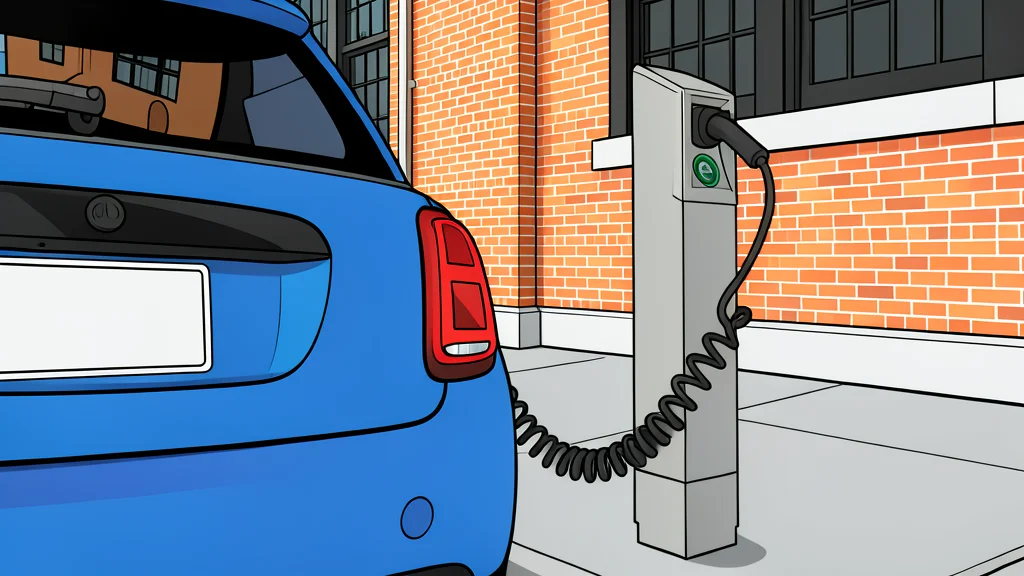
The United States is experiencing a renewed surge in demand for electric vehicles as gas prices climb to an average of $4.47 per gallon. This spike, driven partly by geopolitical tensions, has made nearly half of surveyed drivers more open to switching away from gasoline cars. For automakers, this represents a significant opportunity to reclaim market share after a period of retrenchment and scaled-back production plans.
However, this revival comes with a heavy material cost. Electric cars require significantly more copper than their internal combustion engine counterparts to manage battery power and motor efficiency. As manufacturers look to ramp up production to meet this new wave of interest, they are colliding with a supply chain that cannot keep pace with demand, creating a bottleneck that directly impacts vehicle pricing.
Copper Demand Outpaces Global Supply
Copper is the essential backbone of modern electric mobility, used extensively in wiring, motors, and battery systems. Industry analysts note that the metal is now the most critical driver of growth in critical mineral demand over the next decade. By 2035, electric and hybrid vehicles could account for nearly six million metric tons of copper consumption, more than doubling current levels. This trajectory is outstripping the ability of mining operations to bring new ore to market.
The delay is not due to a lack of copper in the ground, but rather the immense time and cost required to develop new mines. Experts describe the situation as a slow-motion crisis where known supply gaps are expanding faster than new projects can be launched. With prices already rising due to tariff concerns and limited available inventory, automakers face a material cost that is difficult to absorb without passing it on to consumers.
Price Premiums Persist for Buyers
The material shortage reinforces an existing price disadvantage for electric vehicles. In August, the average price of a new electric car in the US stood at $54,813, a 9.4% premium over the broader market average. This gap, which has historically deterred many shoppers, is now compounded by the expiration of federal tax credits that previously helped offset these higher costs.
Major American automakers have already shown the fragility of this model. Ford recently announced a multi-billion dollar writedown after abandoning plans for larger electric vehicles, pivoting instead to hybrids and gas-powered models. While global sales continue to grow in Europe and China, the US market remains sensitive to these cost pressures. The result is a sector that is gaining popularity due to fuel costs but losing ground due to material constraints.
Efficiency Gains Face Material Limits
Engineers are working to reduce the amount of copper required per vehicle, but physics dictates a baseline need for conductivity and thermal management. Electric vehicles use nearly three times more copper than conventional cars, a difference that becomes significant when scaled to millions of units. As reported by GN auto tech/ev, this dependency means that even as technology improves, the raw material cost remains a stubborn variable.
The trade-off for consumers is clear: while the electric vehicle may save money at the pump, the upfront cost is likely to remain elevated for the next several years. Until new mining projects come online and supply catches up with the surge in demand, the dream of affordable electric transportation will remain constrained by the very metal that powers it.