New York City Adds 700 Curbside EV Chargers
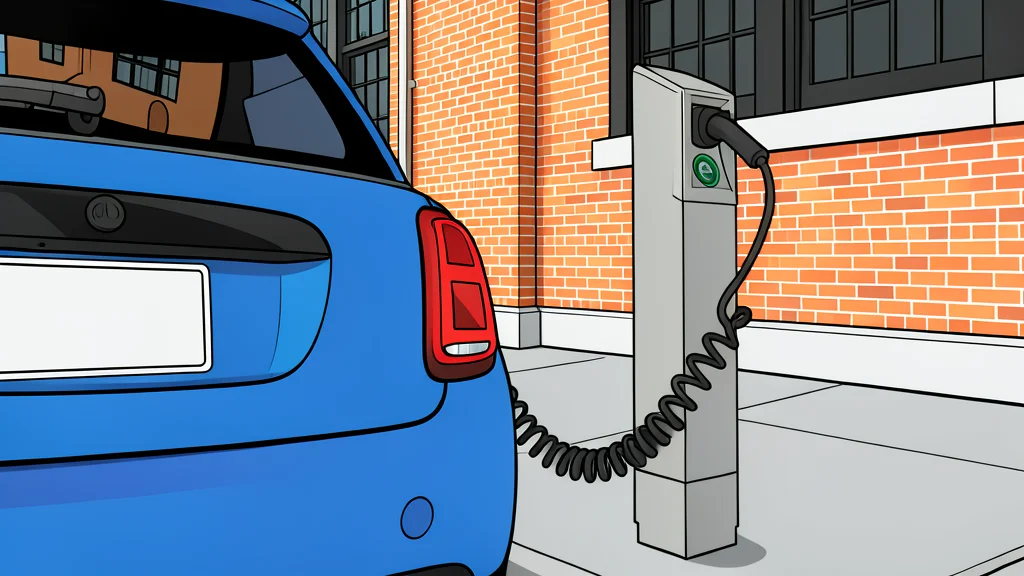
New York City is installing 700 new curbside charging stations to help drivers who lack private garages, aiming to reduce reliance on extension cords and long trips to distant fast chargers.
New York City is set to install 700 new Level 2 charging stations along its streets, a move designed to solve a persistent inconvenience for electric vehicle owners who park on the street. This expansion targets the specific needs of apartment residents and rideshare drivers who cannot charge their cars at home, offering a practical alternative to the often-frustrating practice of using window extension cords or driving long distances to find power.
The city has selected Brooklyn-based startup It’s Electric to lead this infrastructure rollout. As reported by GN auto tech/ev, this initiative marks a significant step in making electric vehicle ownership more accessible in dense urban areas. By bringing charging infrastructure directly to the curb, the program aims to lower the barrier to entry for cleaner transportation, particularly in neighborhoods where private driveway access is rare.
Addressing the Charging Gap
While European cities have long normalized curbside charging, most large American metros still suffer from a scarcity of such options. This shortage creates a significant obstacle for drivers in dense neighborhoods. Tiya Gordon, co-founder of It’s Electric, described the current state of the US market as a desert compared to cities like Los Angeles, where infrastructure is more developed. The new rollout seeks to close this gap by placing chargers where they are most needed, rather than relying solely on centralized fast-charging hubs.
The program specifically targets areas with high concentrations of Uber, Lyft, and taxi drivers. For these professionals, the current lack of neighborhood charging forces them to drive to limited fast-charging stations, wait in long lines, and pay higher rates. By installing chargers in residential zones, the city hopes to allow drivers to top up their batteries overnight, reducing downtime and operational costs while supporting the goal of transitioning rideshare vehicles to electric power by 2030.
Practical Design for City Streets
The new charging posts are designed with urban aesthetics and safety in mind. Unlike traditional chargers that feature dangling cords, screens, and credit card readers, these stainless steel units are sleek and clutter-free. This design choice aligns with city standards for sidewalk appearance and reduces the risk of trips or theft. The units are manufactured in Queens, further supporting local industry while ensuring the hardware is built specifically for the demands of crowded city streets.
A key logistical advantage of this system is how it draws power. Rather than requiring separate utility hookups, which can be expensive and slow to install, the chargers tap into the electrical grids of nearby apartment buildings. This approach lowers installation costs and speeds up deployment. Additionally, the city plans to limit the number of chargers on any single block to two, ensuring that the infrastructure does not overwhelm the limited sidewalk space available in dense neighborhoods.
Expanding Beyond New York
The success of this pilot program has drawn national attention. It’s Electric has recently secured a funding round that brings its total capital to $15 million, allowing it to expand its operations. The company currently has 50 chargers in operation and serves 700 customers. Alongside the New York City rollout, the startup has landed contracts in Boston, Los Angeles, San Francisco, and Philadelphia, indicating a broader trend toward decentralized, neighborhood-level charging infrastructure across the United States.
This expansion reflects a wider shift in how cities approach electric vehicle adoption. By focusing on the daily realities of drivers who live in apartments or work in the gig economy, the program addresses a critical pain point in the transition to electric mobility. As more Americans consider switching from gas-powered vehicles, the availability of convenient, neighborhood charging becomes a decisive factor in their decision-making process, making the infrastructure as important as the vehicles themselves.