Toyota Enters Chinese Extended-Range EV Market in 2027
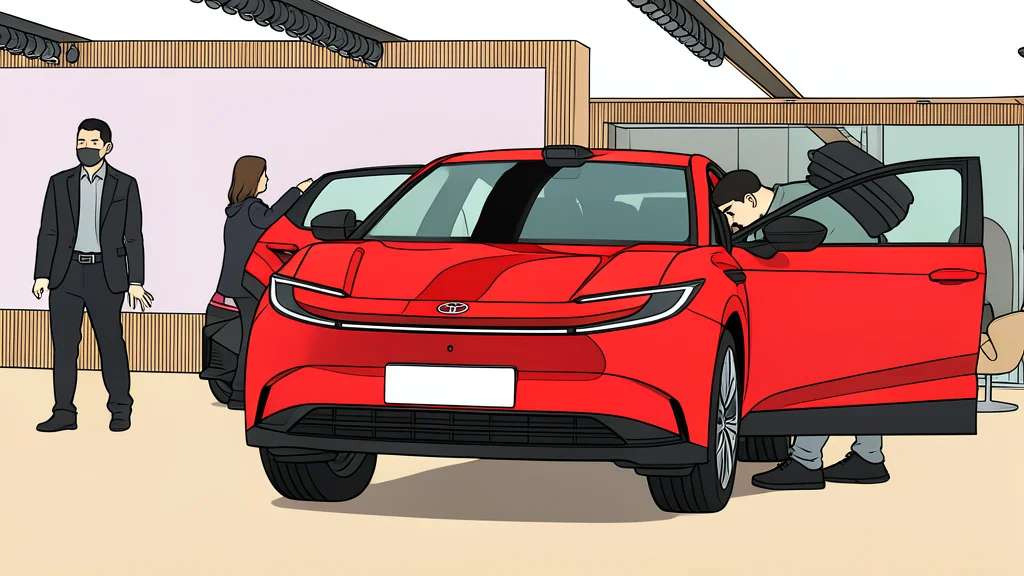
Toyota plans to launch extended-range electric vehicles in China next spring, a strategic pivot to avoid price wars while competing in the world's largest EV market.
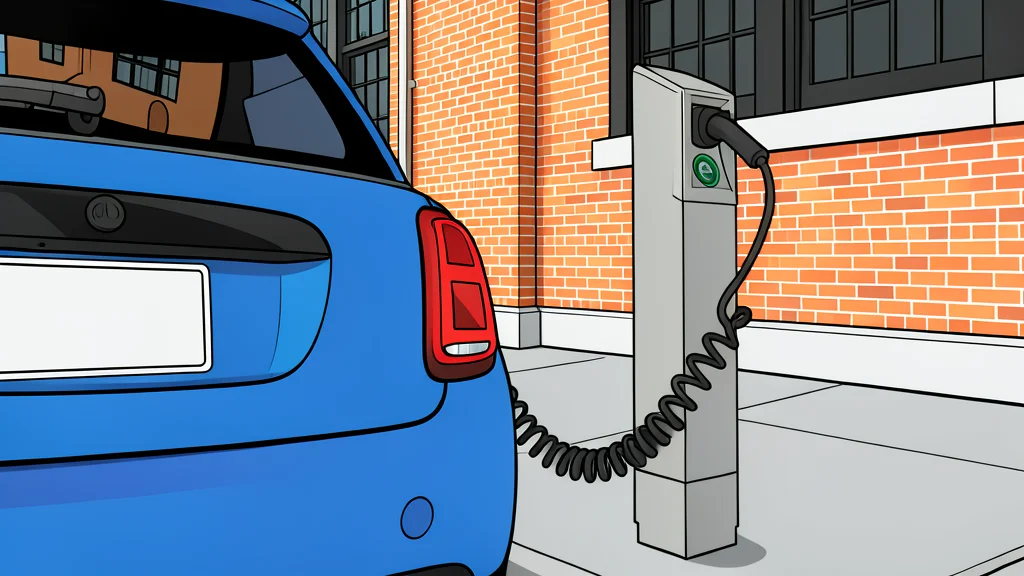
Toyota Motor is preparing to manufacture extended-range electric vehicles in China for the first time, with production slated to begin in April 2027. This move marks a significant shift for the Japanese automaker, which has traditionally relied on hybrid technology, as it seeks to broaden its electrified lineup in a market dominated by pure battery-electric models.
The initiative responds to intense competition and ongoing price wars in China, the world's largest EV market. By introducing vehicles that combine an electric motor with a small internal combustion engine for charging, Toyota aims to offer consumers a practical alternative that reduces range anxiety without requiring extensive charging infrastructure.
Production targets set for 2028
According to reports from Nikkei Asia, Toyota expects to produce several hundred of these vehicles per month at the start. The company targets an annual output of roughly 200,000 units in 2027, doubling that figure to about 400,000 units by 2028. This volume would make extended-range models a substantial portion of Toyota's global electrified vehicle business, which currently includes approximately 200,000 battery electric vehicles and 180,000 plug-in hybrids sold worldwide in 2025.
A Toyota executive cited by the report noted that the company needs to diversify its offerings to avoid being drawn into aggressive pricing strategies. The extended-range format allows drivers to refuel with liquid gasoline when necessary, providing a buffer against the limitations of charging networks during long-distance travel.
Challenges in a shrinking segment
Despite the strategic rationale, the extended-range segment in China is facing headwinds. Data from the China Passenger Car Association shows that retail sales of these vehicles dropped to 81,000 units in August, down from 85,000 in July. For the first eight months of the year, total sales fell by nearly 16 percent compared to the previous year, indicating that the market share for this specific technology is contracting even as the overall electric vehicle sector grows.
The trade-off for Toyota is entering a niche that is losing ground to pure battery-electric vehicles. While the extended-range approach solves range anxiety, it carries higher complexity and cost. Competitors like Nissan and Xiaomi are also expanding their extended-range offerings, intensifying competition in a segment that no longer shows consistent growth. This forces Toyota to balance its defensive strategy against a market that is rapidly shifting toward full electrification.
Competitors expand electric lineups
Toyota is not alone in this pivot. Dongfeng Nissan, the Japanese automaker's joint venture in China, launched its first extended-range SUV in April. Similarly, Xiaomi recently entered the space with its Sky Nomad series, expanding its vehicle lineup beyond pure battery-electric models. These moves reflect a broader industry trend where manufacturers are hedging their bets by offering multiple powertrain options to capture different consumer preferences.
As reported by GN auto tech/ev, the situation highlights the complexity of the Chinese market, where consumer demand is fragmented and competitive pressures are extreme. For Toyota, the success of its 2027 launch will depend on whether it can differentiate its extended-range models in a crowded field where pure battery-electric vehicles continue to gain dominance, accounting for over 65 percent of new energy vehicle sales in August.