EV Powers Home for 24 Hours, Using 24% of Battery
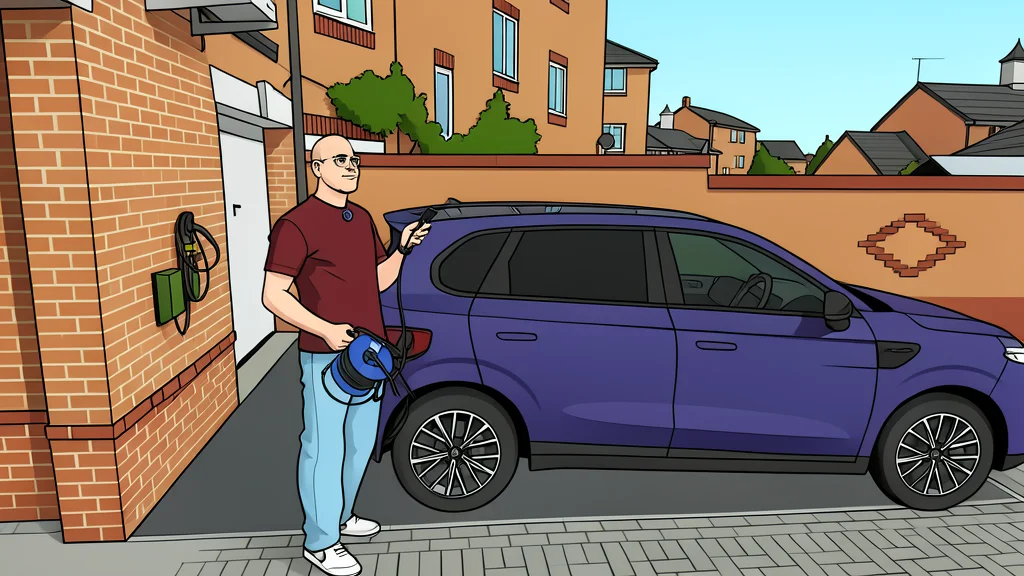
A YouTuber powered a household for a full day using a Chinese electric SUV. The car’s battery dropped only 24 percent, proving the concept works for short outages.
Key points
- A Leapmotor B10 powered a home for 24 hours, running appliances like a fridge and dishwasher.
- The car's battery dropped from 100% to 76% after a full day of use and a short drive.
- Experts warn this is a temporary backup solution, as long-term use may degrade the battery.
A content creator recently demonstrated that a compact electric vehicle can sustain a standard household for a full day without grid power. By switching off the main electricity supply, he relied entirely on the car’s battery to run everyday appliances. This experiment highlights a practical, if temporary, alternative for homeowners facing power disruptions.
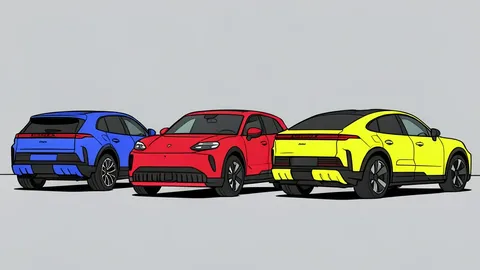
The test used a Leapmotor B10, a small SUV produced in China. Using a vehicle-to-load adapter, the creator connected the car directly to high-demand items. The setup included a refrigerator, dishwasher, vacuum cleaner, toaster, and microwave. After 24 hours of continuous use, plus a 15-mile drive, the battery level had decreased from 100 percent to 76 percent.
Testing daily appliances on car power
The goal was to prove that routine domestic life remains possible without the grid. The creator noted that maintaining fridge temperature and cooking dinner were straightforward tasks. The vacuum and dishwasher operated normally throughout the period. This suggests that modern EV batteries have sufficient capacity to handle typical residential energy loads for a day.
According to supercarblondie.com, the energy consumption was remarkably low relative to the battery size. Losing only a quarter of the total capacity indicates that the vehicle can serve as a robust backup power source. For many households, this means a single EV could bridge a gap during a multi-day outage without requiring a full recharge.
Why this is not a permanent fix
Despite the successful trial, experts emphasize that this method is a stopgap, not a long-term solution. Car batteries are designed for transportation, not as stationary storage units. Repeated deep discharge cycles can accelerate battery degradation, shortening the vehicle's overall lifespan. Additionally, the power output may not remain stable over extended periods, posing risks to sensitive electronics.
There are also safety and mechanical trade-offs to consider. Running a car’s systems for days at a time can strain components not intended for stationary use. While the concept is impressive and offers peace of mind during emergencies, it should not replace proper home energy storage systems. The experiment serves as a proof of capability rather than a recommendation for daily reliance.
The viability of vehicle-to-load technology
This test underscores the growing practicality of vehicle-to-load technology. As EVs become more common, their role as mobile power sources becomes increasingly relevant. For homeowners in areas with unstable grids, this capability adds a new layer of resilience. It is a clear demonstration that the energy stored in a car can be accessed easily and effectively.