Ford's 2026 Mach-E GT: A Speed King with Charging Issues
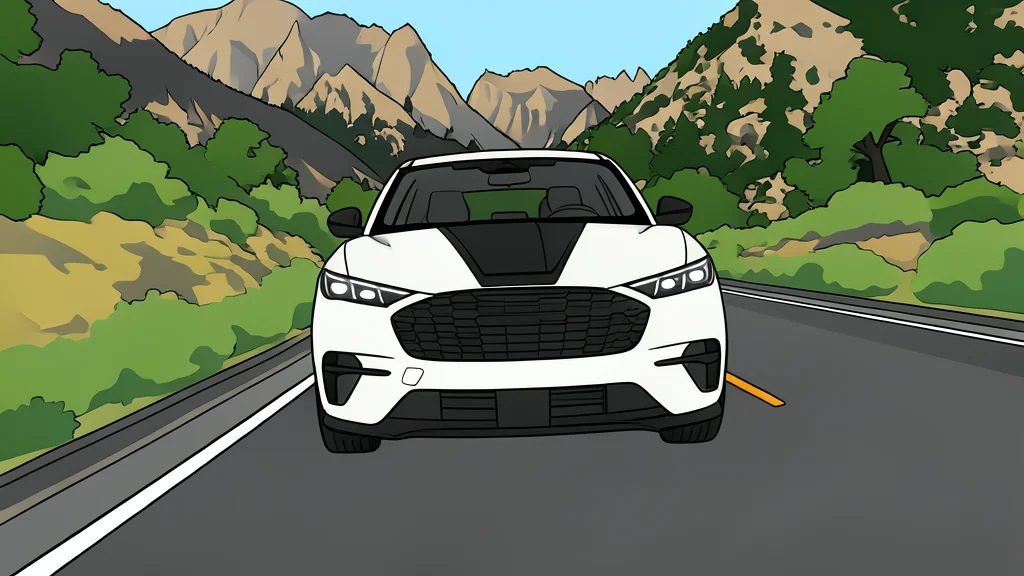
The 2026 Ford Mustang Mach-E GT Performance delivers thrilling acceleration and stylish design, but its slow charging speeds and infotainment quirks create a frustrating user experience despite its driving prowess.
The 2026 Ford Mustang Mach-E GT Performance presents a stark contradiction in the electric vehicle market. On one hand, it offers exhilarating acceleration and a design that appeals to enthusiasts seeking both style and speed. On the other, it suffers from significant technological lags that undermine its modern image. As reported by GN auto tech/ev: electric vehicle, this model stands out for its driving dynamics but falls behind in essential daily convenience features.
Ford has invested heavily in making this compact SUV feel like a traditional performance car rather than just a utility vehicle. The result is a machine that excels in handling and visual appeal, yet struggles to keep pace with the rapid advancements in charging infrastructure and software reliability seen in its competitors. This disconnect leaves drivers with a vehicle that is exciting to drive but potentially inconvenient to maintain and use in a busy schedule.
Driving dynamics remain the core strength
The primary selling point of the GT Performance trim is its ability to deliver immediate power. With 700 pound-feet of torque, the vehicle accelerates with a ferocity that rivals many gasoline-powered sports cars. The addition of MagneRide shocks and specialized wheels in the performance package enhances stability during high-speed maneuvers. This focus on mechanical excellence ensures that the car feels responsive and engaging, transforming routine commutes into enjoyable drives.
Charging speed lags behind modern standards
Despite its high-performance capabilities, the vehicle’s Level 3 charging speed is notably slow. In a market where competitors are rapidly increasing their maximum charging rates to reduce downtime, this limitation forces owners to plan longer stops at charging stations. This trade-off is significant for daily users who rely on quick top-ups between errands or work commitments. The slow charging process undermines the convenience that electric vehicles are supposed to offer, creating a bottleneck in the ownership experience.
Software issues further complicate the user experience. Reports indicate that the infotainment system suffers from quirks that can be distracting or frustrating during operation. Combined with awkward door handle designs, these minor irritations accumulate over time. While the car is visually striking and performs well on the road, these usability flaws prevent it from matching the seamless integration of technology found in newer rivals.
Design and safety balance the flaws
The aesthetic appeal of the Mach-E remains a strong asset. The California Special trim adds distinctive stripes and sporty seating that enhance the car's visual impact. Safety ratings are also solid, providing peace of mind for family buyers. However, the vehicle enters its sixth year on the market without the comprehensive updates that would address its technological shortcomings. This stagnation in software and charging infrastructure means that while the car looks and drives well, it does not fully meet the expectations of a modern, tech-driven audience.