State-Sponsored Hackers Target Latin American Governments
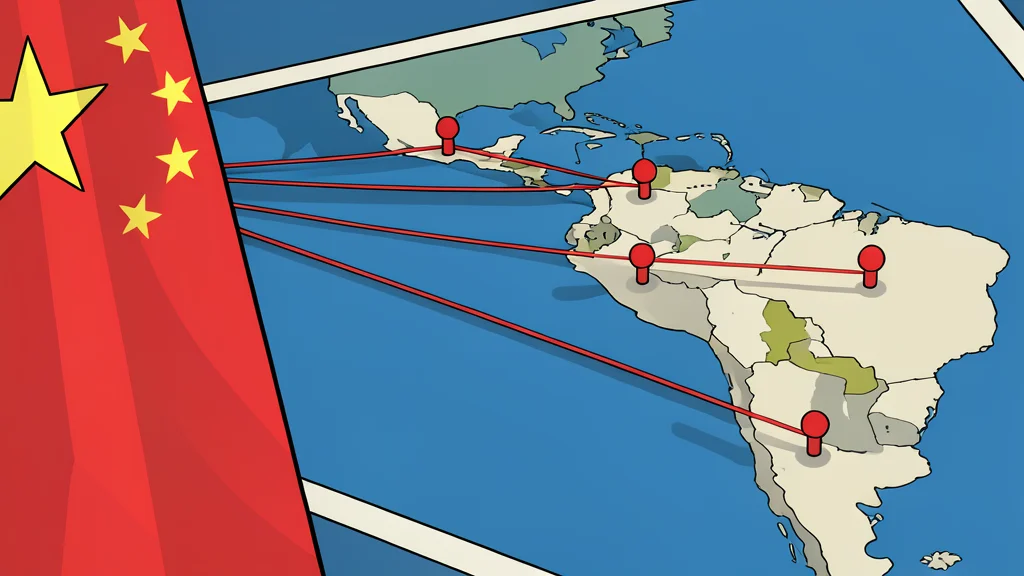
Security researchers have uncovered a new cyber espionage campaign targeting government entities across Latin America using a sophisticated backdoor designed to evade detection.
A China-aligned threat actor known as FamousSparrow has been actively deploying a previously unknown piece of malware called SparroWocky across Latin America. The campaign, which began in August 2025, specifically targets governmental institutions in several countries including Argentina, Peru, and Venezuela. This marks a significant shift in the group's operational focus, with the majority of their recent activity concentrated in this region.
The malware is a modular backdoor written in C++ that allows attackers to take full control of compromised systems. It can execute files, steal data, take screenshots, and even delete itself to cover its tracks. According to The Hacker News, which reported on the findings, this tool represents an upgrade from previous implants used by the group, indicating a higher level of technical capability and intent to maintain long-term access to sensitive networks.
Sophisticated Evasion Techniques
SparroWocky is not just a simple intrusion tool; it is built with advanced features to stay hidden from security software. It utilizes open-source libraries like Mbed TLS to establish secure communication channels with remote servers, ensuring that data transmission is encrypted and difficult to intercept. Additionally, it employs anti-analysis tricks, such as spoofing call stacks and hiding thread creation, to prevent security products from identifying the malicious activity on the compromised machine.
The developers of this backdoor have integrated these defensive mechanisms directly into the malware's core, rather than relying on external tools. This integration suggests a deeper understanding of Windows internals and anti-forensic techniques. The malware can also act as a proxy, allowing attackers to route traffic through the infected machine, further obscuring the origin of the cyber operations and making attribution more challenging for defenders.
Targeting Regional Institutions
The scope of the attack is broad, affecting at least eight different jurisdictions in Latin America. These include Ecuador, Guatemala, Honduras, Panama, Puerto Rico, and Venezuela. Security firm ESET noted that 90% of the targets recorded in their telemetry are located in this specific region. This heavy concentration suggests a deliberate strategic focus, though it remains unclear whether this reflects a formal mandate or a temporary response to current geopolitical circumstances.
The initial method used to gain access to these systems is currently unknown, but the malware is typically triggered through a technique called DLL sideloading. In this method, a legitimate executable file is used to launch a malicious library, which then decrypts and activates the main payload. This approach allows the malware to ride on the coat-tails of trusted software, bypassing many standard security checks and establishing a foothold in the network.
Implications for National Security
The deployment of such a sophisticated tool against government entities raises serious concerns about data integrity and national security. The ability to exfiltrate files and monitor network interfaces means that sensitive diplomatic, economic, or strategic data could be at risk. For organizations in the affected countries, this incident highlights the need for enhanced monitoring of network traffic and deeper inspection of software execution processes to detect such subtle intrusions.
As cyber threats become more state-sponsored and technologically advanced, the stakes for public institutions continue to rise. The transition from older tools to SparroWocky indicates that threat actors are constantly evolving their arsenals to overcome modern defenses. This underscores the critical importance of continuous security assessment and the sharing of intelligence among international partners to counter such coordinated espionage efforts.