Indian Startup Begins Work on Disability-Focused Electric Vehicle
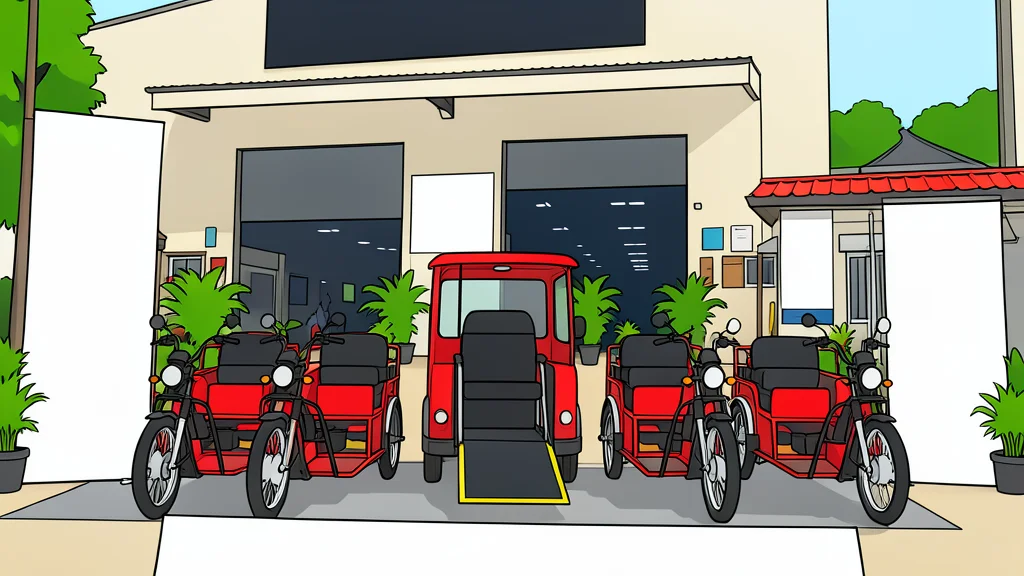
Omega Seiki Mobility has started designing an electric car built specifically for people with disabilities, prioritizing ease of use over speed or luxury.
Omega Seiki Mobility (OSM) has officially launched a design and development phase for an electric vehicle tailored specifically to the needs of persons with disabilities. The announcement marks a significant shift in the Indian automotive sector, moving beyond generic adaptation kits to create a purpose-built machine from the ground up. By placing accessibility at the core of the engineering process, the company aims to address a long-standing gap in the market where mobility solutions often require costly, aftermarket modifications.
The initiative was announced recently, coinciding with the Prime Minister’s birthday, and reflects a broader commitment to an inclusive mobility ecosystem. OSM emphasizes that this is not merely a marketing gesture but a practical engineering challenge. The goal is to enable greater independence in everyday life by ensuring the vehicle is safe, comfortable, and easy to operate for users with diverse physical requirements. This approach suggests a future where electric mobility is not just about range and performance, but about who can actually use the technology.
Design prioritizes user independence
According to reports, the vehicle will be developed using a human-centric approach that places specific mobility requirements at the center of the design process. Dr. Uday Narang, the founder and chairman of OSM, stated that the company wants India’s transition to electric mobility to be inclusive. This means the car’s features, such as entry and exit mechanisms and control interfaces, will be engineered around practical user needs rather than standard industry norms. The focus is on reducing the physical and cognitive burden on the driver, making the vehicle a tool for autonomy rather than dependency.
The company intends to engage directly with users, experts, and stakeholders as the development process continues. This collaborative method allows OSM to gather real-world feedback that can inform the vehicle's final configuration. By involving the community it serves in the design phase, the manufacturer hopes to avoid creating a product that looks good on paper but fails in daily use. This iterative process is crucial for building trust and ensuring the final product meets the complex and varied needs of the disability community.
No timeline or specs disclosed
Despite the clear intent, OSM has not disclosed a specific timeline, technical specifications, or a launch date for the vehicle. This lack of concrete details is a notable trade-off for potential buyers and investors who are eager to see tangible results. Without confirmed dates or technical parameters, it is difficult to assess when the vehicle might become available or how it will compare to existing accessible mobility options. The announcement serves primarily as a statement of direction rather than a product release.
The source, GN technics/ev, notes that while the company is drawing on its existing EV engineering and manufacturing experience, the specific challenges of adaptive design remain significant. Developing a vehicle that is both safe and fully accessible requires specialized knowledge that goes beyond standard automotive practices. The absence of a launch date suggests that the engineering phase is in its early stages, with substantial work still required to translate the concept into a functional, road-legal product. For now, the project remains a promise of future inclusion rather than an immediate reality.