Global EV Battery Output Jumps 30% in 2025
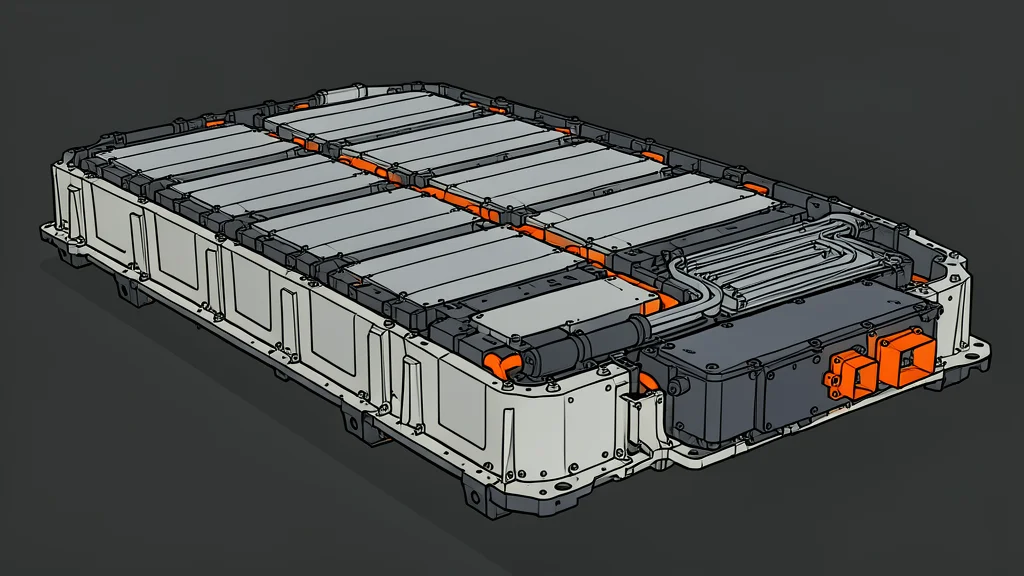
Electric vehicle batteries grew by nearly 30% last year, creating a larger market for lithium and nickel even as manufacturing remains heavily concentrated in China.
The global market for electric vehicle batteries expanded significantly in 2025, with total deployment reaching 1.2 terawatt-hours. This represents a nearly 30% increase over the previous year and marks more than a sevenfold rise compared to 2020 levels. According to data cited by GN auto tech/ev, vehicles accounted for over 70% of all battery deployment, cementing their role as the primary driver of demand in the sector.
This growth translates into a substantial volume base for the metals required to build these power units. However, the specific demand for lithium and nickel is not uniform. It depends heavily on the chemical composition of the batteries, which varies by region and vehicle type. While overall production is rising, the distribution of materials presents a complex landscape for suppliers and manufacturers.
Lithium Demand Broadens Across Chemistries
A key nuance is that lithium is a critical component in nearly all major battery types, including both lithium iron phosphate (LFP) and nickel manganese cobalt (NMC) chemistries. Therefore, the 30% growth in battery deployment broadly supports lithium consumption, regardless of which specific chemical mix dominates a particular market. The increase in vehicle volumes, rather than just larger battery packs, has been the main driver of this capacity expansion.
In 2025, LFP batteries accounted for more than 55% of global EV deployment, up from nearly 50% the previous year. This shift is driven by cost, with LFP packs averaging more than 40% cheaper per kilowatt-hour than NMC alternatives. While this reduces the need for nickel and cobalt, it does not eliminate the need for lithium, ensuring a sustained demand base for the metal across the industry.
Regional Differences Shape Nickel Markets
Nickel demand is more geographically fragmented. While LFP batteries dominate globally, nearly 80% of battery deployment outside China still relies on nickel-containing chemistries. This creates a distinct regional market for nickel supply in areas like the European Union and the United States, where automakers often prioritize energy density for range and performance. Consequently, the growth in battery output does not automatically reduce nickel demand worldwide, as regional preferences keep a significant portion of the market dependent on nickel-based cells.
Supply Concentration Increases Risk
The rapid growth in battery production has also highlighted significant supply chain risks. China controlled more than 80% of global battery manufacturing capacity and supplied almost 75% of electric car batteries in 2025. This concentration means that a large majority of the world's EV power units originate from a single source. For manufacturers and governments seeking to diversify, this creates a strong commercial case for qualifying battery materials and production lines outside of China, despite the higher costs and logistical challenges involved.