Volkswagen Launches $19,000 EV with Chinese Chips
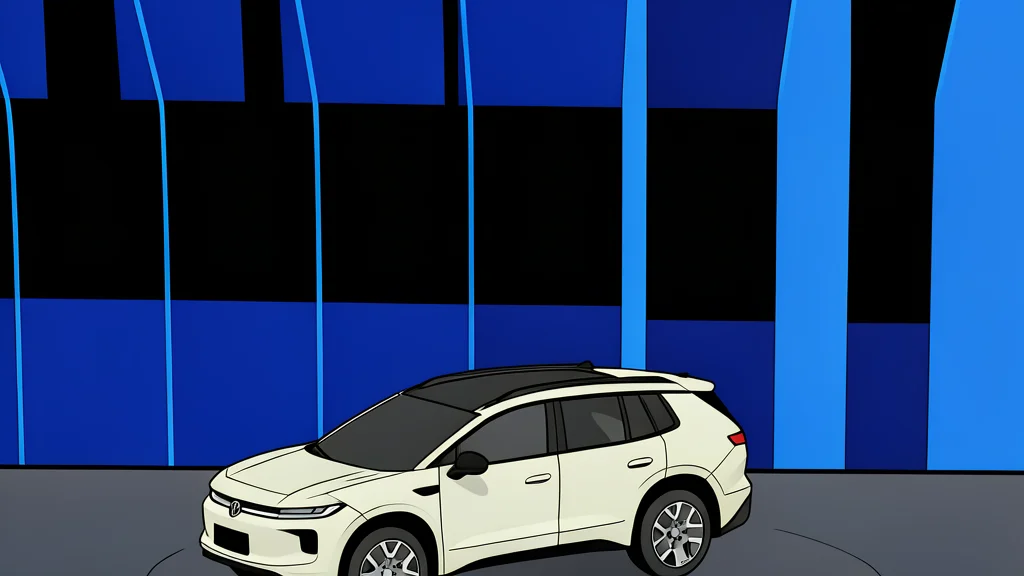
The new ID. AURA T6 starts at $19,240 in China, featuring local software and hardware to compete with domestic rivals.
Key points
- The ID. AURA T6 starts at $19,240 in China, significantly undercutting the average US new vehicle price of $50,089.
- The vehicle utilizes Chinese-developed LiDAR, chips from Horizon Robotics, and an electrical architecture co-created with Xpeng.
- Volkswagen is shifting to local technology partnerships to compete with domestic rivals like BYD after losing market share in China.
Volkswagen has officially launched its most affordable electric SUV in China, pricing the ID. AURA T6 at 129,900 yuan, or approximately $19,240. This entry point is significantly lower than the average new vehicle price in the United States, which stood at $50,089 in August. The move marks a distinct shift in the German automaker’s strategy, as it now relies heavily on local Chinese technology partners for both hardware and software.
For decades, the Volkswagen brand was synonymous with German engineering exported to global markets. However, the Chinese market has evolved to prioritize digital features, voice assistants, and advanced driver-assistance systems over traditional mechanical metrics. With domestic competitors like BYD and Geely capturing market share through faster innovation cycles and lower prices, Volkswagen has adapted by importing local expertise rather than exporting its own, a change reported by Yahoo Finance.
Performance Metrics And Pricing
The ID. AURA T6 is available in four configurations, with the top model priced at 166,900 yuan, or roughly $24,720. All versions are powered by a single motor producing 228 horsepower, paired with battery packs from CATL ranging from 59.9 to 77.5 kilowatt-hours. Under China’s CLTC testing standards, the vehicle offers a maximum range of 660 kilometers, which translates to approximately 410 miles, though real-world conditions may reduce this figure.
The cabin includes a 15.6-inch central touchscreen and a 25.8-inch augmented-reality head-up display. Storage space is substantial, with a 90-liter front trunk and 576 liters of cargo capacity behind the rear seats. This combination of features, including LiDAR hardware and urban navigation assistance, is offered at a price point that is less than 40% of the average American new car cost.
Shift To Chinese Technology
The higher-end trims utilize a driver-assistance system developed by Carizon, a joint venture between Volkswagen and Horizon Robotics. This setup includes a 192-channel LiDAR unit and a Journey 6H chip capable of 420 trillion operations per second. The vehicle also runs on the China Electronic Architecture, developed in collaboration with Xpeng, which supports on-vehicle AI processing and uses a 4-nanometer chip for the cockpit.
Volkswagen CEO Oliver Blume has publicly acknowledged that China has become a key innovation hub for the group. This strategic pivot reflects a broader industry trend where German automakers are increasingly integrating local development teams to remain competitive. The company plans to introduce 13 new models in China this year, seven of which are dedicated new energy vehicles, underscoring its commitment to the local market.
Market Pressure And Competition
The aggressive pricing and technology adoption come amid significant sales pressure. German automakers saw their Chinese sales drop between 30% and 41% in the second quarter, according to Fortune. While Volkswagen’s joint ventures briefly reclaimed the top spot in passenger vehicle share early in the year due to expiring tax breaks, deliveries have since declined. This volatility highlights the intense competition from domestic brands that have mastered the local consumer’s preference for tech-heavy, affordable electric vehicles.
By launching the ID. AURA T6 at a sub-$20,000 price point, Volkswagen is attempting to reverse its market share losses. The vehicle represents a compromise between its historical engineering identity and the current market demand for localized software and hardware. The success of this model will likely determine whether Volkswagen can stabilize its position in the world’s largest auto market against faster-moving Chinese rivals.