Hyundai CEO Warns US Against Lowering EV Tariffs
Hyundai's chief executive argues that trade barriers are essential to protect American consumers from cheaper Chinese electric vehicles.
Key points
- Hyundai CEO Jose Munoz warns that removing US tariffs would allow cheaper Chinese EVs to dominate the market.
- Chinese EVs are priced 30-40% lower than rivals in EU markets despite existing trade barriers.
- Chinese vehicles account for 15% of UK auto sales compared to 9% in the EU, highlighting the impact of open markets.
Hyundai Motor Group’s chief executive has joined a growing chorus of industry leaders urging the United States to maintain high tariffs on Chinese-made electric vehicles. Jose Munoz, the company's CEO, recently warned that without these strict trade barriers, American consumers would face a market flooded with significantly cheaper competitors, potentially destabilizing the domestic auto industry.
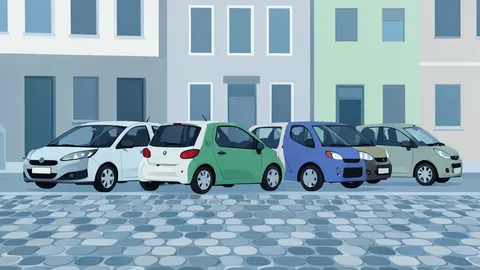
The concern stems from recent trends in Europe, where Chinese manufacturers have rapidly gained market share. While the European Union has imposed tariffs to curb this influx, the United Kingdom, which lacks such restrictions, has seen a surge in Chinese EV sales. This divergence offers a real-world test of how trade policies influence consumer behavior and market dynamics in the electric vehicle sector.
European markets show price gaps
Munoz highlighted that Chinese electric vehicles are currently priced 30% to 40% lower than rival models in key European markets such as Italy, Spain, and France. This price advantage persists despite the European Union’s efforts to level the playing field through tariffs and minimum pricing commitments. The company argues that these barriers are currently shielding European consumers from what they perceive as unfair state-subsidized competition.
However, the situation differs in the UK, which has not adopted similar protective measures. As a result, Chinese brands have become top sellers in the British market. Munoz described the UK as a cautionary example, noting that the absence of barriers has allowed Chinese manufacturers to dominate sales charts, shifting the market away from traditional European and American brands.
UK sales data illustrates the shift
Recent data underscores the impact of these policy differences. In the first half of the current year, Chinese-built vehicles accounted for 9% of auto sales in the EU, where trade restrictions are in place. In contrast, these vehicles made up 15% of auto sales in the UK, which has a more open market structure. This gap suggests that lower entry costs directly translate to higher consumer adoption rates for these vehicles.
Industry analysts note that while price is a significant factor, the perceived technological innovation and value proposition of these vehicles also play a role. Munoz acknowledged the high level of innovation in Chinese EVs, yet he maintained that unrestricted access would threaten the profitability and market position of established automakers like Hyundai in the US.
Trade policy remains a political focus
As the US debates its trade stance, executives from legacy automakers are increasingly vocal about the risks of open markets. They argue that current tariffs are necessary to prevent a market share collapse similar to what they fear could happen in Europe. However, critics point out that these barriers also limit consumer choice and keep prices artificially high for American buyers.
CleanTechnica notes that this debate reflects a broader tension between protecting domestic industries and fostering competitive markets. While political leaders from both major parties have largely supported maintaining high barriers, the ongoing pressure from industry leaders suggests that this issue will remain a central part of the automotive policy conversation in the coming years.