Xpeng Seeks New Revenue by Licensing Tech to Rival Automakers
The Chinese EV maker aims to boost margins by selling driver-assistance software and AI chips to competitors and robotaxi operators.
Key points
- Xpeng is licensing its driver-assistance software and AI chips to other automakers to create a new revenue stream.
- Volkswagen’s ID. Unyx 08, co-developed with Xpeng, uses the latter’s Level 2 driver-assistance system.
- The company plans to license its tech to robotaxi firms and is mass-producing its IRON humanoid robot this year.
Xpeng is shifting its business model to generate revenue by licensing its core technologies to other automakers. The Chinese electric vehicle manufacturer, which has yet to achieve consistent profitability from vehicle sales alone, is actively seeking to sell its electrical architecture, cockpit systems, and advanced driver-assistance software to external partners. This strategy transforms Xpeng from a pure carmaker into a technology supplier, creating a new income stream that does not depend on the volume of vehicles it produces.
The move follows a successful collaboration with Volkswagen, where the two companies co-developed a new vehicle platform in a record 24 months. Xpeng’s leadership believes that other foreign automakers, suppliers, and software developers will also be interested in adopting its Turing AI chips and Level 2 driver-assistance systems. By offering these components, Xpeng hopes to capture a significant share of the market for automotive electronics, a sector where high margins are possible without the heavy capital expenditure of manufacturing.
Volkswagen adopts Xpeng assistance systems
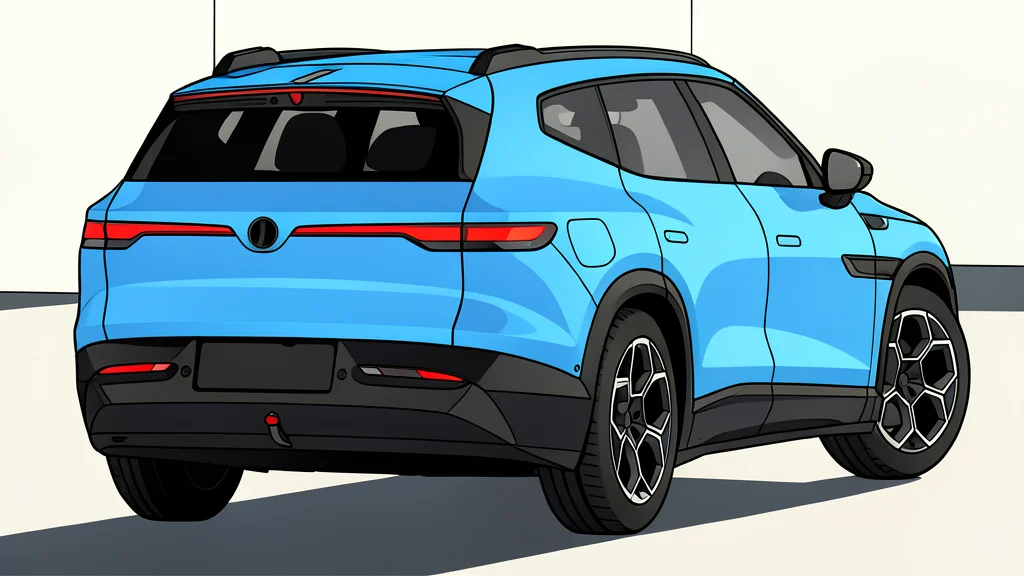
The practical application of this strategy is already visible in the ID. Unyx 08, a model co-developed with Volkswagen. Production of this vehicle began in March, marking the first time a major European brand has used Xpeng’s specific driver-assistance technology. Instead of relying on Volkswagen’s own systems, the ID. Unyx 08 utilizes Xpeng’s Level 2 software, which operates on an 800-volt electrical architecture. The car is available with battery packs ranging from 85 to 92 kilowatt-hours, demonstrating the depth of the technical integration between the two firms.
Licensing extends to robotics sector
Xpeng is not limiting its licensing efforts to traditional car manufacturers. The company has begun small-scale production of its IRON humanoid robot and plans to start mass production before the end of the year. CEO He Xiaopeng has suggested that these robots could generate higher profit margins than the vehicles themselves. Furthermore, Xpeng is positioning its technology stack for use by robotaxi operators, indicating that its driver-assistance and AI capabilities are being packaged for a broader range of autonomous mobility applications.
Service revenue drives financial growth
Financial reports indicate that while vehicle sales revenue has remained steady, revenue from services and other business ventures has nearly doubled. According to data cited by Reuters, this shift highlights the importance of non-vehicle income for Xpeng’s bottom line. As the company continues to operate in a competitive market, the ability to monetize its software and hardware platforms offers a path to stability. This approach allows Xpeng to diversify its risk beyond the volatile automotive sales cycle.