Ioniq 5 Trade-In Values Stabilize Amidst 2025 Refresh
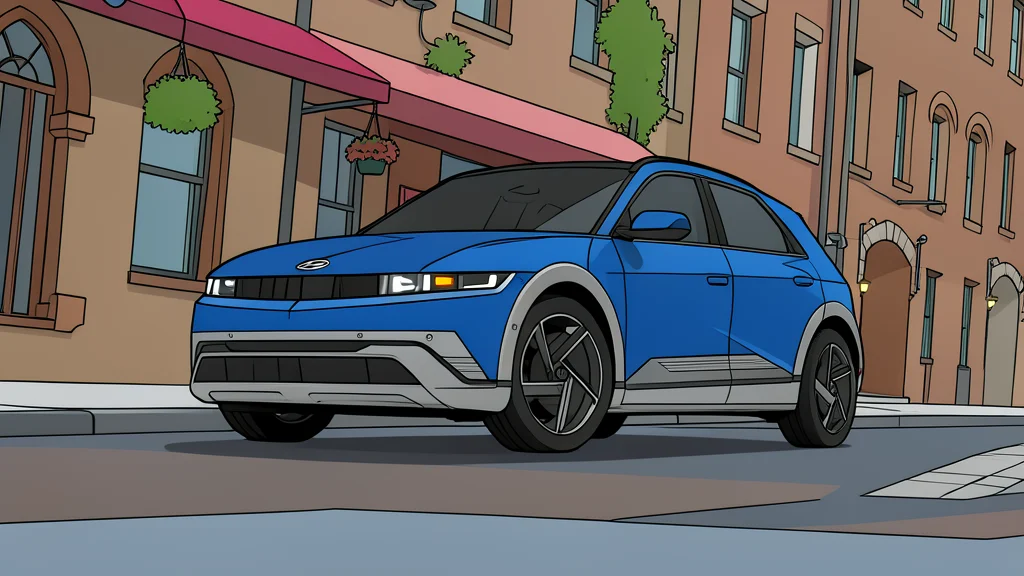
Pre-owned Hyundai Ioniq 5 values have settled into a stable range, with specific trim levels and the new 2025 refresh creating distinct valuation tiers for sellers.
The market for pre-owned Hyundai Ioniq 5 vehicles has moved past its initial volatility, establishing a more predictable pricing structure for sellers. According to analysis from GN auto tech/ev, the electric crossover now holds a stable floor in the secondary market, driven by strong demand for its fast-charging capabilities and spacious cabin. This stability offers a clearer picture of what owners can expect when negotiating with dealerships, moving away from the steep depreciation seen in earlier EV adoption cycles.
However, the final trade-in value is not uniform across all models. It depends heavily on specific hardware features, battery health, and the model year relative to the recent 2025 mid-cycle refresh. Understanding these specific value anchors is crucial for sellers, as small differences in trim levels or charging port compatibility can result in significant financial variance, sometimes reaching thousands of dollars.
Performance variants command high premiums
The most significant value driver remains the specific powertrain configuration. The high-performance Ioniq 5 N model stands out as a rare asset in the used market. With 641 horsepower and unique driving modes, it retains a substantial equity cushion, often commanding $12,000 to $15,000 more than standard top-tier trims. This premium reflects its status as a benchmark for electric performance, appealing to a niche but dedicated buyer pool.
Even among standard models, the choice between rear-wheel drive and all-wheel drive matters. Dual-motor AWD setups offer better traction and acceleration, which translates to a consistent trade-in advantage of $1,500 to $2,500 over single-motor versions. Dealerships actively seek these AWD models to satisfy consumer demand for versatile, high-capability electric crossovers, making them more liquid assets in the used car market.
2025 refresh creates valuation divide
A critical structural line exists between pre-2025 models and the latest refresh. The 2025 update introduced several features that were previously absent, most notably a rear window wiper and native compatibility with the NACS charging standard. These additions address common owner feedback and expand charging infrastructure access, insulating 2025 models from the depreciation hits that affect older versions.
Sellers of 2022 to 2024 models should be aware that their vehicles lack these specific updates, which can slightly lower their perceived value in appraisal software. While the core technology remains robust, the absence of NACS port compatibility and the rear wiper creates a distinct valuation tier that buyers increasingly notice, requiring sellers to adjust their expectations accordingly.
Battery health drives final offer
Beyond trim and model year, the state of the high-voltage battery remains the primary determinant of value. As electric vehicles age, battery degradation becomes a key factor in pricing. Dealerships prioritize vehicles with documented low mileage and strong battery health reports, as these assets are easier to resell and carry less risk regarding range anxiety for the next owner.
The trade-off for sellers is the need for transparency. Providing detailed records of charging habits and battery health checks can help bridge the gap between the 'average' and 'excellent' condition price brackets. In a market that has stabilized, these data points are no longer optional; they are the primary leverage for securing the higher end of the valuation range.