Yukon EV Charging Gaps Threaten Regional Tourism
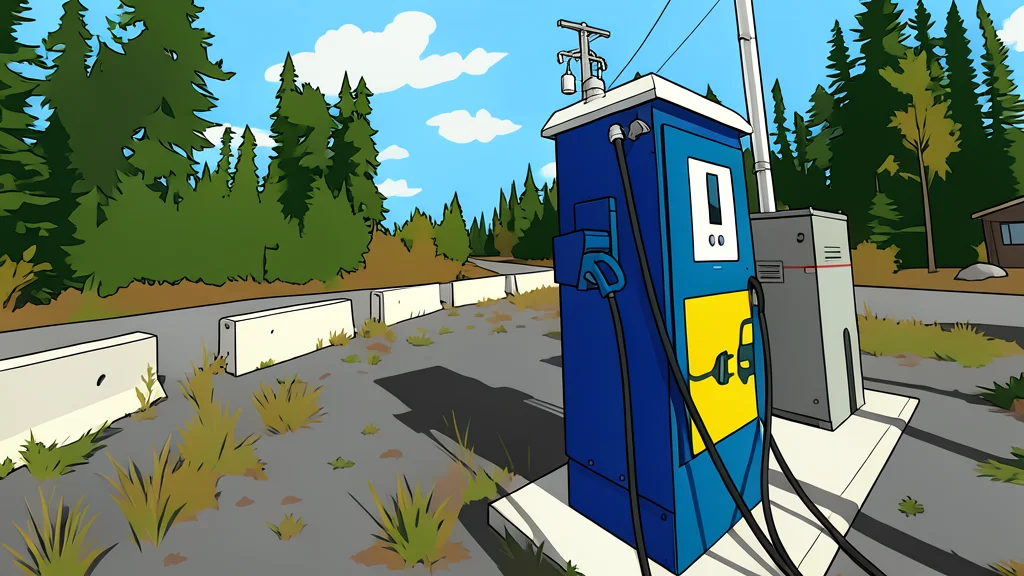
While electric vehicle adoption surges across Canada, Yukon drivers face a stark reality: unreliable charging infrastructure that lags significantly behind neighbouring British Columbia. This disparity is now raising concerns about the territory's future in the tourism sector.
According to GN auto tech/ev, new electric vehicle registrations in the Yukon have declined since 2024, even as zero-emission vehicle registrations nationwide rose by 27 percent through June. This divergence highlights a growing infrastructure gap that is becoming visible to travellers moving from the well-established networks of British Columbia into the territory. For many drivers, the transition from a dense grid of fast chargers to a sparse and often unreliable system creates significant friction in their travel plans.
Travelers encounter significant charging dead zones
Drivers report a sharp contrast in experience between the two regions. In parts of British Columbia, such as Gibsons, chargers are commonplace and integrated into daily life, often located near public amenities like libraries and parks. In contrast, travellers entering the Yukon frequently encounter a 'dead zone' where functional chargers are scarce. One driver described a stretch between Dease Lake and Teslin as a critical bottleneck, where broken equipment forced a lineup of vehicles waiting for hours to charge. This lack of reliability transforms a routine stop into a logistical headache, with some reports of drivers waiting days for a functional station.
The trade-off for those who do attempt the drive is time and uncertainty. While some chargers in the Yukon are operational, many are limited to slow Level 1 'trickle' charging, which can require many hours to replenish a battery. Others are Level 2 units that suffer from frequent breakdowns. This inconsistency forces drivers to plan their trips around the availability of working infrastructure rather than their itinerary, creating a barrier that does not exist in the more mature British Columbia network.
Infrastructure gaps hinder broader EV adoption
The physical limitations of the charging network have broader implications for local adoption rates. Residents and visitors alike suggest that the hesitation to switch to electric vehicles in the Yukon is not due to a lack of interest, but rather a lack of dependable support. In communities where the infrastructure is robust, electric vehicles are becoming the norm, with local dealerships reporting strong sales. However, in the Yukon, the perceived risk of being stranded without power discourages potential buyers, keeping the market stagnant despite national trends.
Myths about cold climates persist
Beyond infrastructure, there are persistent misconceptions about electric vehicles in cold environments. Researchers note that while range does decrease in the cold, modern electric vehicles still offer sufficient distance for local travel. The argument that they are unsuitable for northern climates is largely outdated, as these vehicles start reliably in freezing temperatures, unlike gas engines that may require warm-up periods. Despite these technical realities, the combination of cold weather fears and actual infrastructure failures creates a double barrier to adoption.
Experts emphasize that solving this issue requires coordinated investment from both government and private sectors. The current state of the market suggests that without a concerted effort to upgrade and maintain charging stations, the Yukon risks falling further behind its neighbors. This lag not only affects daily commuting but also threatens the region's ability to attract tourists who are increasingly choosing electric vehicles for their trips. The stakes are economic as much as environmental, with the reliability of the grid becoming a key competitive factor.