Kinston Selected for New Federal EV Charging Station
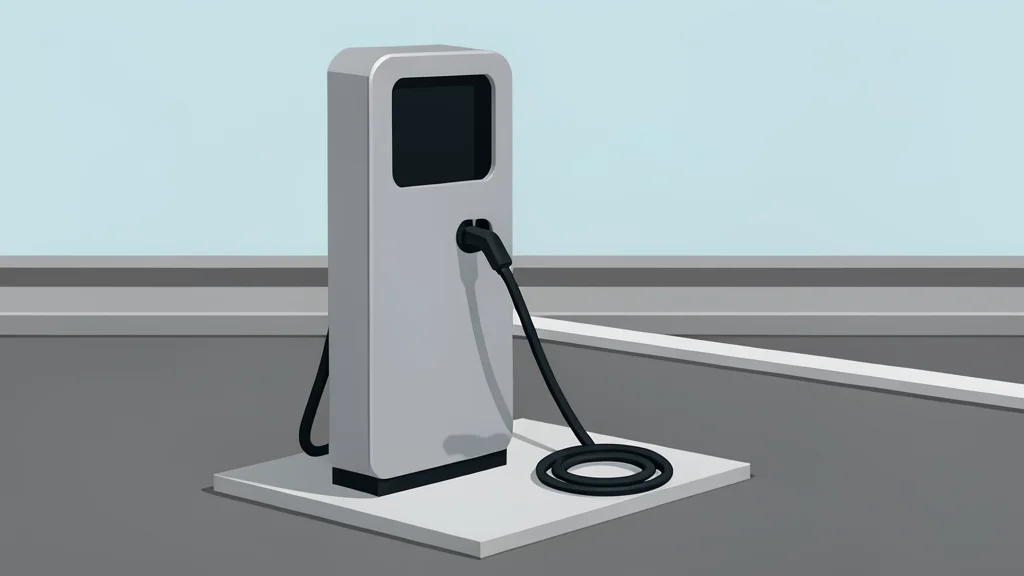
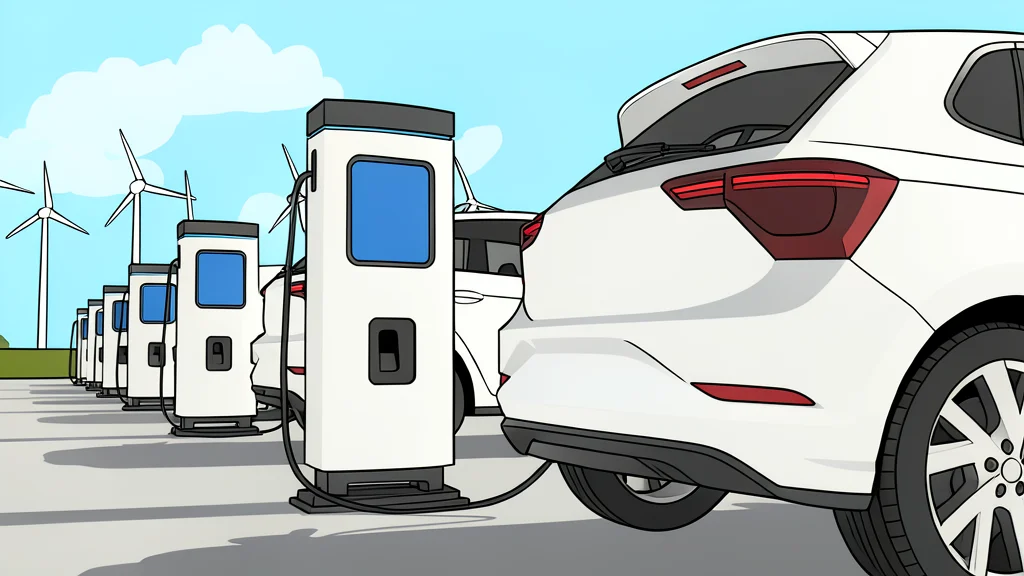
A new charging hub is coming to Kinston as part of a statewide push to expand electric vehicle infrastructure along major highways.
Kinston has been chosen to host a new electric vehicle charging station under a $14.4 million investment by the North Carolina Department of Transportation. This selection is part of the second round of awards from the federal National Electric Vehicle Charging Infrastructure Program, which aims to build a reliable network of chargers across the state. The move reflects a broader effort to support the growing number of electric vehicles on North Carolina roads.
The planned station will be located along U.S. 258, a major route connecting several counties in the region. While the department confirmed the general location, it has not yet released the exact address or identified the private business that will operate the site. This lack of specific detail is common in early funding announcements, where the focus is on securing the site rather than finalizing operational logistics. Drivers in Kinston can expect a significant addition to local infrastructure once construction begins.
Funding Structure and Private Partnerships
The NEVI program works by reimbursing private businesses for the costs of purchasing, installing, and maintaining charging equipment. North Carolina has received $109 million in total federal funding for this purpose, which is shared among multiple operators. This model leverages private sector expertise and capital to build out the network quickly. However, it also means that the availability and reliability of the chargers will depend on the financial health and operational choices of these private partners.
In this second round, eight businesses have been selected to manage the 14 new locations across the state. This approach allows for a distributed network of chargers rather than a single centralized system. For residents, this means more options for charging along their daily commute or on longer trips. The trade-off is that service standards may vary slightly between different operators, depending on their maintenance schedules and pricing models.
Expanding the Statewide Charging Network
These 14 new sites will join five other locations that received funding in 2024, creating a more comprehensive grid for electric vehicle owners. Communities such as Asheboro, Columbus, High Point, Raleigh, Wadesboro, and Weaverville are also part of this expansion. The goal is to ensure that drivers can travel confidently across the state without worrying about running out of battery. This expansion is particularly important for rural and semi-urban areas that have historically had less access to charging infrastructure.
According to NCDOT, the full network funded through this program is expected to be completed within three years. A later phase of the initiative will focus on installing chargers in additional communities and rural areas identified as having greater needs. This phased approach allows the department to address the most critical gaps first before expanding further. For Kinston, this means the new station will be part of a larger, interconnected system that supports both local use and interstate travel.
Implications for Local Drivers
For residents of Kinston, the new station represents a tangible benefit in the shift toward electric transportation. As the number of registered electric vehicles in North Carolina continues to rise, the demand for convenient and reliable charging points increases. Having a federally funded station along a major highway like U.S. 258 makes it easier for both locals and travelers to use electric vehicles. This development supports a cleaner transportation economy while reducing the range anxiety that often holds back potential buyers.
The catch, however, is that the station's success depends on consistent maintenance and reliable operation by the private partner. If the business fails to meet its obligations, the charging point could become unusable, undermining the benefits of the investment. Therefore, while the funding is a positive step, the long-term value of the station will rely on effective oversight and partnership between the state and the private sector. Drivers should keep an eye on local updates regarding the station's opening date and operational status.