Samsung Considers Higher Galaxy S26 Prices Amid Memory Costs
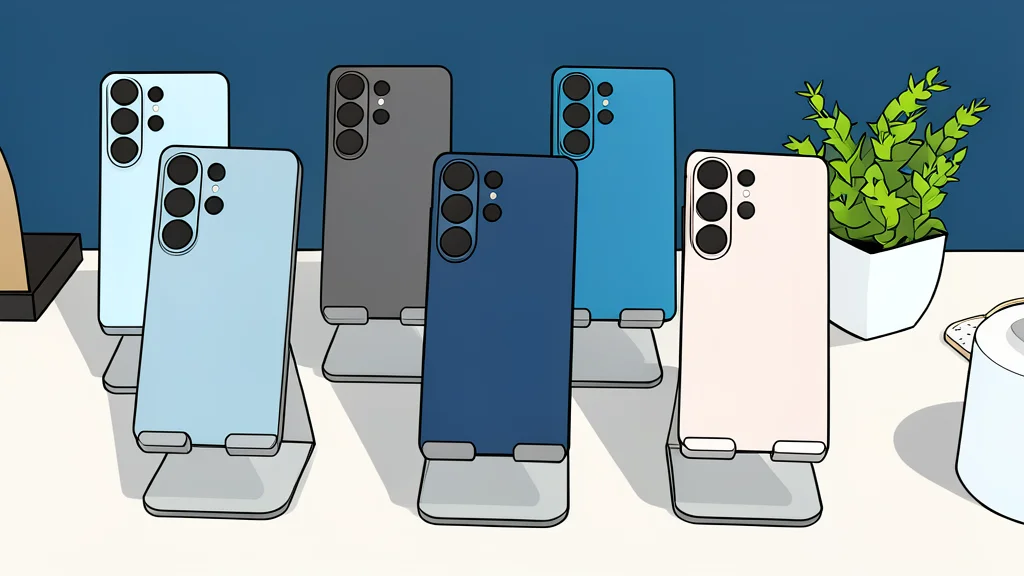
Rumors suggest Samsung may raise Galaxy S26 prices by $100 due to rising component costs, though the company says no decision has been made.
Samsung is reportedly weighing a price increase for its upcoming Galaxy S26 series, a move driven by soaring costs for memory components. According to reports cited by Android Central, the adjustment could add roughly $100 to the starting price of the base model and push the Ultra variant closer to $1,400. This potential hike reflects broader industry pressures that are forcing manufacturers to reconsider their pricing strategies.
However, consumers should note that this change is not yet confirmed. Samsung has officially stated that while it is internally reviewing pricing adjustments, nothing has been finalized. The rumors specifically mention a potential change for the Korean market in October, leaving it unclear whether this price hike will be applied globally or if other regions will see different pricing structures.
Component costs drive the increase
The primary driver behind this potential price adjustment is the rising cost of RAM and memory chips. Industry sources indicate that Samsung is facing difficulties maintaining its existing pricing structure due to these supply chain pressures. This trend is not isolated to Samsung; many technology companies are currently grappling with increased input costs that directly impact their profit margins and final retail prices.
If the increase goes through, it would represent a further step up from the pricing already seen in the current generation. The S26 and S26 Plus models already cost approximately $100 more than their S25 predecessors. This cumulative effect means that flagship phones are becoming increasingly expensive relative to their previous iterations, a trend that affects consumer purchasing power and brand loyalty.
Previous price hikes already applied
It is important to remember that Samsung has already raised prices for the current Galaxy S26 lineup compared to the S25 series. The base and Plus models saw a $100 increase, while the Ultra model remained stable. Despite these hikes, the S26 Ultra has performed well, capturing a significant share of sales in its early weeks. This suggests that demand for top-tier features remains strong, even as prices climb.
Nevertheless, the financial impact on consumers is growing. Recent examples, such as the significant price jump for the Galaxy Tab S11 Ultra, illustrate how quickly costs can rise across Samsung’s product ecosystem. These increases are becoming a common theme in the tech industry, forcing buyers to weigh the value of new features against the rising cost of entry.
Market reaction remains uncertain
The long-term impact of these price hikes on Samsung’s market share is still unknown. While flagship users may continue to upgrade, the growing cost gap between new and older models could slow down adoption rates. For many consumers, the decision to buy a new phone now requires careful consideration of budget and necessity, rather than simply chasing the latest technology.
As Samsung continues its internal review, the tech industry watches closely to see if this price adjustment becomes a precedent. If confirmed, it would signal a broader shift in how manufacturers handle rising component costs, potentially leading to higher prices across the entire smartphone market. Until an official announcement is made, the current rumors remain just that: rumors.