Volkswagen Prototype Achieves Record Efficiency with Compromised Cabin
Volkswagen has revealed a radical electric vehicle prototype that prioritizes extreme aerodynamic efficiency over standard comfort and space.
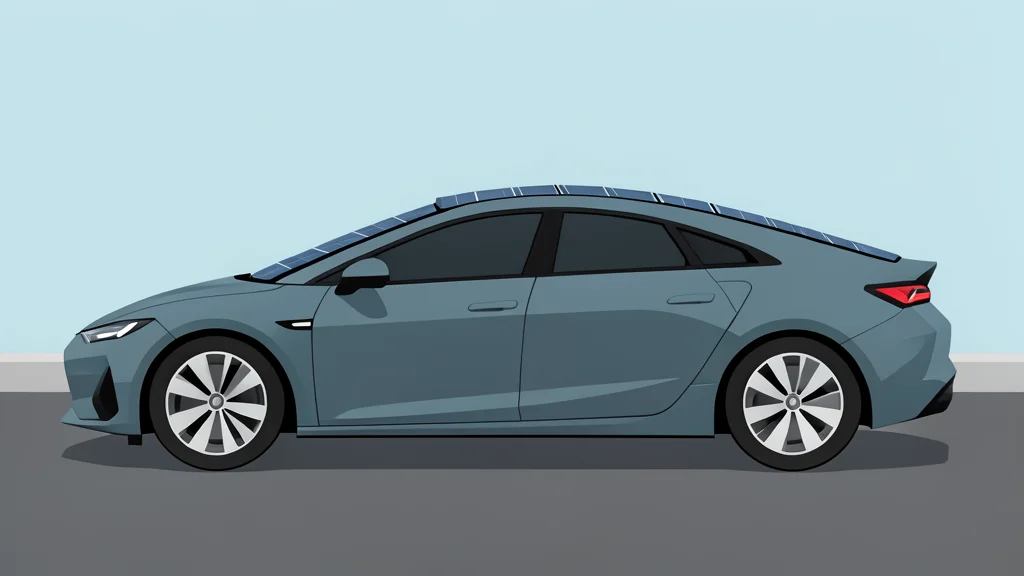
Volkswagen has unveiled the Mission Efficiency, an electric vehicle prototype designed to push the boundaries of energy consumption. Under ideal test conditions, the car achieved an equivalent of 323 miles per gallon, a figure that places it among the most efficient vehicles currently known. The design is a stark departure from conventional automotive styling, featuring a sharply tapered rear roofline and a stripped-down interior to minimize weight and drag.
The prototype’s capabilities were verified through a real-world journey of 1,278 kilometers between Wolfsburg and Vienna. During this trip, the vehicle required only one recharge and still had 168 kilometers of range remaining upon arrival. Actual consumption averaged approximately 7.51 kilowatt-hours per 100 miles, translating to about 279 miles per gallon in practical driving conditions. This performance nearly doubles the efficiency of the Lucid Air Pure, a model that uses a significantly larger battery and body.
Aerodynamic Design Sacrifices Rear Space
The primary driver of this efficiency is the vehicle’s Kammback silhouette, where the roofline drops sharply behind the driver’s head. This shape reduces the drag coefficient to 0.158 and limits the frontal area to 2.08 square meters. However, this geometry creates a significant trade-off in the cabin. The rear seats are effectively reserved for children or shorter adults, as headroom and legroom are severely constrained by the sloping roof.
Further compromises were made to the suspension and wheel arches. The clearance between the tires and the body is minimal, which helps reduce aerodynamic drag but likely impacts ride comfort on uneven roads. While wheels and tires can account for a third of total drag, the restricted space necessary to achieve these efficiency gains means the car may feel stiff or jarring in everyday driving conditions.
Solar Panels Add Limited Range
Solar cells integrated into the roof and trunk lid provide a minor boost to the vehicle’s capabilities. Under optimal conditions, such as a flat road and constant speed, these panels can add approximately 30 kilometers of range. While this feature helps reduce charging frequency, it is not a primary power source and depends heavily on weather and driving speed.
Production Status Remains Unclear
The Mission Efficiency uses a battery and motor from the production ID. Polo, suggesting that the components are already available for mass market vehicles. According to GN auto tech/ev, the company views this as a step toward a potential production model. However, Volkswagen has not confirmed plans to bring the car to market.
The interior lacks an infotainment system and built-in speakers, requiring drivers to use personal devices and portable Bluetooth speakers. This minimalist approach echoes strategies used by other niche manufacturers to reduce weight. Given that Volkswagen’s previous ultra-efficient model, the XL1, was priced at 110,000 euros and produced in limited numbers, consumers should expect similar financial and practical constraints if this prototype becomes a commercial product.