Fuel Costs Drive Interest in Electric Vehicles
Surging gasoline prices are shifting American sentiment toward electric vehicles, even as federal support for the sector recedes.
The administration has taken steps to reduce federal incentives for electric vehicles, creating a challenging environment for manufacturers. However, external economic forces are now influencing buyer behavior in ways the policy shifts did not anticipate.
Ongoing geopolitical conflicts have disrupted global energy markets, causing fuel prices to spike. With diesel recently averaging over six dollars per gallon, the cost of operating a gas-powered car has become a significant financial burden for many drivers.
Rising Fuel Costs Shift Buyer Sentiment
A recent report from HERE Technologies and SBD Automotive indicates that high gas prices are a primary driver of changing attitudes. More than half of surveyed U.S. drivers said fuel costs had increased their interest in electric options. This represents a notable shift from previous years when price sensitivity was less dominant.
Among non-EV owners, the intention to buy a gasoline vehicle next has declined by ten percent compared to last year. While improved battery range and charging speeds contribute to this trend, the immediate financial pain of refueling appears to be the most potent catalyst for reconsidering vehicle types.
Charging Infrastructure Perceptions Improve
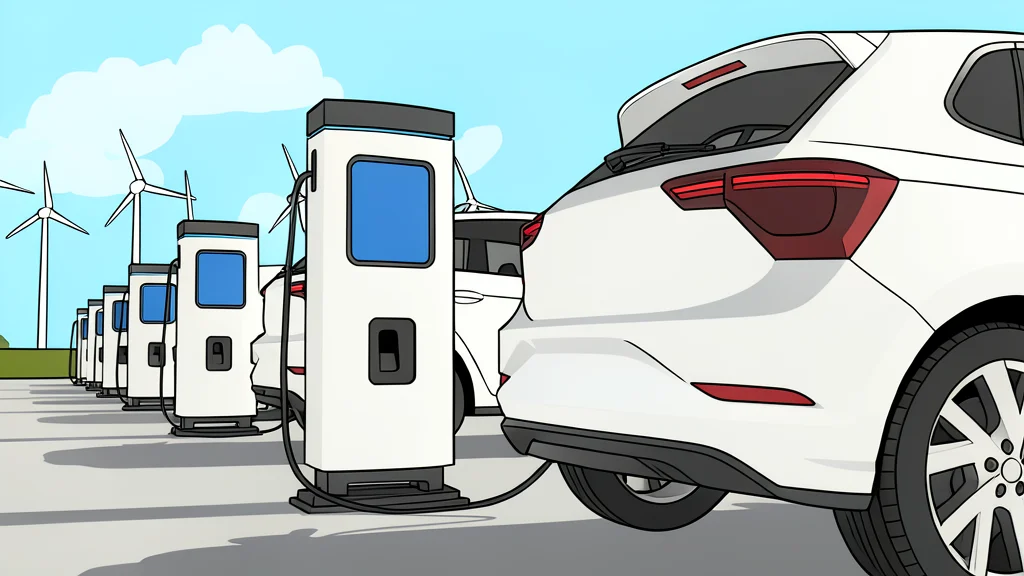
Concerns about the availability of public charging have diminished significantly. Nearly half of respondents now view public charging coverage as adequate, a substantial increase from the previous year. The network has also expanded, with over thirty thousand new public charge points added recently.
Current electric vehicle owners report high satisfaction levels, with most rating the charging experience positively. Most also indicate they would choose an electric vehicle again when replacing their current car, suggesting that the initial anxiety around infrastructure is fading for those who have already made the switch.
Price Remains The Primary Barrier
Despite the improved perception of charging, the high upfront cost of electric vehicles remains a major obstacle. Approximately two in five drivers still view EVs as too expensive to purchase. This price sensitivity prevents the surge in interest from translating immediately into a proportional increase in sales volume.
Industry data cited by GN auto tech/ev: electric vehicle shows that EV market share has actually declined slightly in early 2026 compared to the full previous year. This suggests that while the financial argument for switching is becoming stronger due to fuel costs, other factors such as model availability and purchase price continue to hold back broader adoption.
The situation presents a complex trade-off. While the administration has rolled back supportive policies, the market is being driven by external economic pressures. If fuel prices remain elevated, the financial logic for choosing an electric vehicle becomes harder to ignore, potentially offsetting the loss of federal incentives for some consumers.