Lucid Signs 25,000-Vehicle European Robotaxi Deal with Bolt

Lucid's stock jumped 10% after announcing a partnership with Bolt to deploy autonomous vehicles across Europe. However, the agreement lacks specific financial commitments, leaving investors to weigh the potential volume against the company's urgent need for cash.
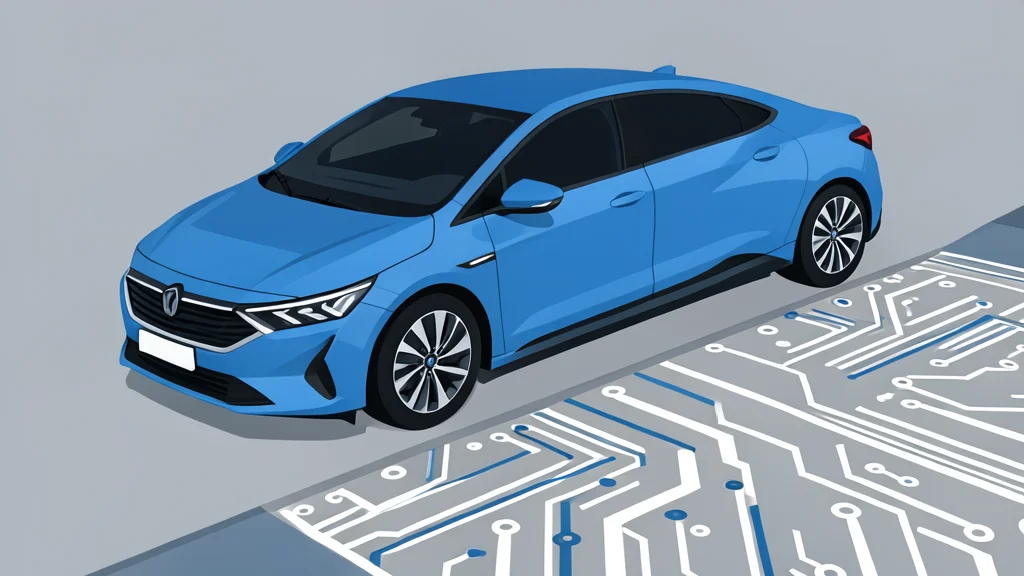
Lucid Group shares climbed 10 percent in Thursday morning trading following the announcement of a new partnership with Bolt, the ride-hailing service. The deal involves the development and deployment of at least 25,000 autonomous vehicles across major European cities. This move marks Lucid’s first foray into the robotaxi market outside the United States and its second significant autonomous driving partnership this year.
The announcement lifted the broader electric vehicle sector, with Rivian Automotive stock rising 5 percent as investors viewed the deal as validation of the fleet-supplier model. However, a closer look at the agreement reveals a critical gap: Bolt has not committed to any specific dollar investment or firm launch timeline. For Lucid, which has struggled with cash flow, this distinction between a revenue stream and a headline number is significant.
Bolt Operates the Fleet and Infrastructure
Under the agreement, Bolt will own and operate the fleet through a dedicated autonomous driving unit. The ride-hailing company is responsible for defining vehicle requirements, building charging infrastructure, and managing city-level partnerships. Lucid will provide the midsize platform and autonomy technology, consolidating its artificial intelligence and driver assistance efforts into a new unit to support this initiative.
CEO Silvio Napoli stated that shared autonomous mobility offers a chance to extend Lucid’s technology beyond consumer vehicles. He emphasized Bolt’s reach and operating expertise as key factors in scaling the service across Europe. The vehicles will be engineered to operate without a human driver in defined conditions, relying on Lucid’s upcoming midsize platform.
Missing Financial Terms Create Uncertainty
The primary concern for investors is the absence of financial details in the disclosure. Unlike Lucid’s earlier robotaxi deal with Uber, which included capital injection alongside vehicle supply, the Bolt agreement does not specify any monetary investment. This creates a structural difference between the two partnerships, as the Uber deal directly extended Lucid’s financial runway while the Bolt deal focuses on volume.
Lucid entered this session with a year-to-date decline of 58 percent, highlighting its need for cash. The 25,000-vehicle target is substantial, but without confirmed revenue or funding from Bolt, it remains a potential rather than a guaranteed lifeline. Investors are watching to see if Lucid will disclose investment terms or a launch window that could convert this headline into a tangible revenue path.
NVIDIA Powers the Autonomous Stack
The Bolt fleet will utilize NVIDIA’s Hyperion autonomous-vehicle architecture. This extends the compute ecosystem that increasingly underpins the industry’s robotaxi programs. NVIDIA’s DRIVE Hyperion platform is already central to partnerships with various automakers and mobility operators, suggesting a broader trend toward standardized autonomous hardware.
Rivian’s stock rise reflects a peer read-through rather than a direct catalyst for the company. Rivian also has a robotaxi supply relationship with Uber, and the market is interpreting Lucid’s Bolt deal as evidence that the fleet-supplier model is gaining traction. The success of these initiatives will depend on whether the midsize platforms can reach production on schedule to meet fleet commitments.