Shell and Amazon Expand Electric Truck Charging in Germany
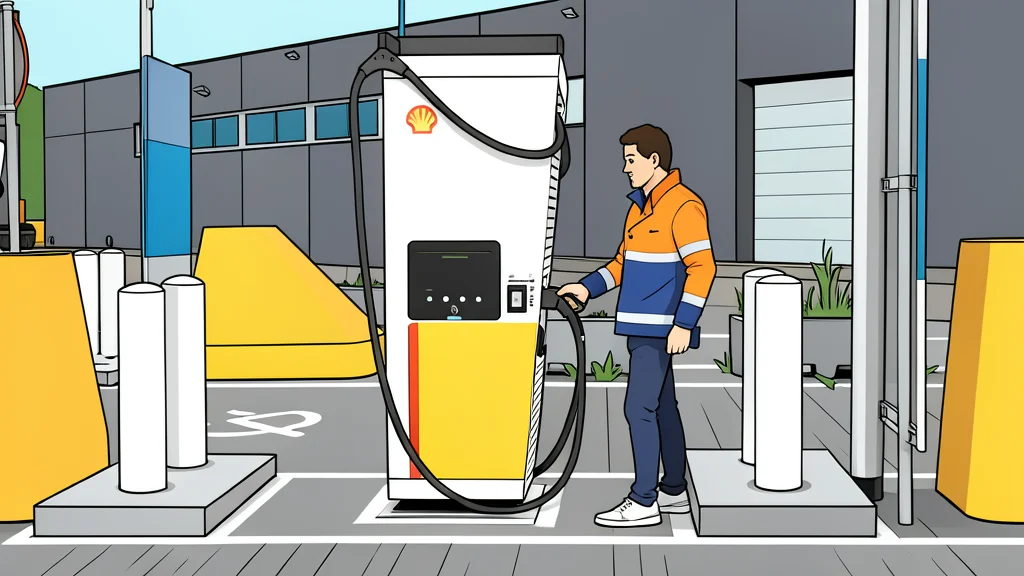
Shell is deploying high-power charging hubs in three German cities to support Amazon's growing fleet of electric heavy-duty trucks, aiming to solve the logistical challenges of long-haul electrification.
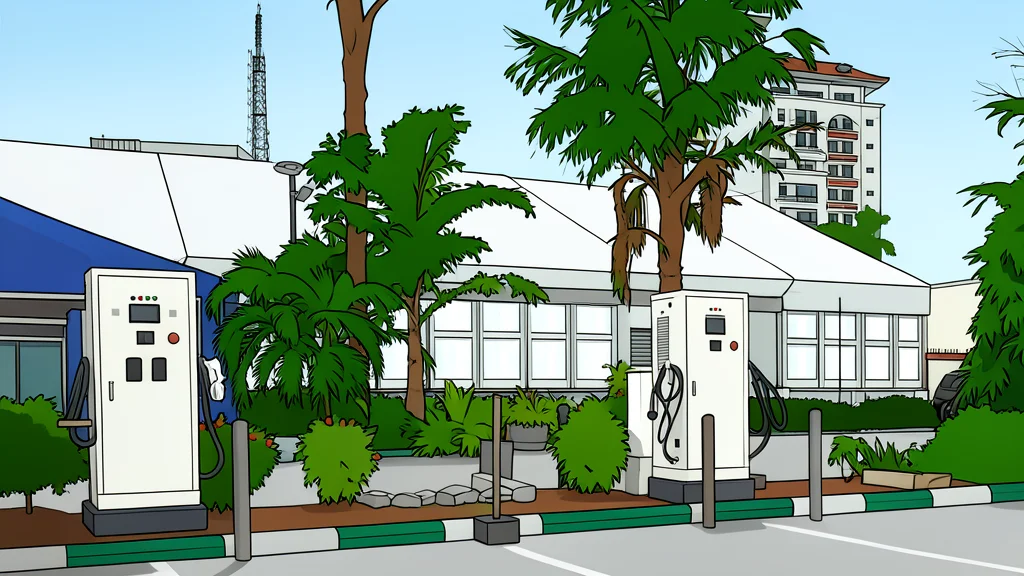
Shell has announced a partnership with Amazon to install dedicated direct current fast charging stations in Hannover, Kirchheim, and Koblenz. This infrastructure is specifically designed to support Amazon’s fleet of electric heavy-duty trucks, which currently numbers around 45 vehicles in Germany. The move signals a significant step in integrating large-scale electric logistics into the country's transport network.
The new charging hubs are built to handle the specific demands of heavy-duty vehicles. They feature liquid-cooled chargers capable of delivering up to 400 kilowatts of power. For fleet operators, this speed is critical; it allows trucks to recharge quickly enough to maintain delivery schedules, addressing one of the primary concerns regarding the range and downtime of electric commercial vehicles.
Booking System Aligns With Driver Rest
A key component of this setup is the implementation of a reservation system known as Home-away-from-Home. This tool allows Amazon’s schedulers to book charging slots in advance at public sites. By securing a spot ahead of time, fleet managers can coordinate charging stops with route planning and legally mandated driver rest periods. This reduces uncertainty and helps prevent drivers from waiting for available chargers during critical breaks.
Existing Infrastructure Supports New Fleet
Shell already operates more than 2,400 charging points across Germany, including approximately 150 dedicated to heavy-duty vehicles. The collaboration with Amazon builds on this existing footprint and their prior fuel service relationship. Access and payment are streamlined through the Shell Card, which provides a unified method for fleet customers to use the charging network. According to GN auto tech/ev: electric vehicle reports, this integration simplifies the administrative burden on fleet operators.
Trade-Offs in Heavy-Duty Electrification
While high-power charging offers speed, it also places significant strain on local power grids and requires robust cooling systems to manage heat. The reliance on liquid-cooled technology adds complexity to maintenance compared to standard AC chargers. Furthermore, the success of this model depends on precise coordination between charging availability and driver schedules. If the reservation system fails or power outages occur, the rigid timelines of heavy-duty logistics can quickly lead to operational delays.