Xpeng Pivots to High-Margin Tech Licensing Amid Vehicle Sales Pressure
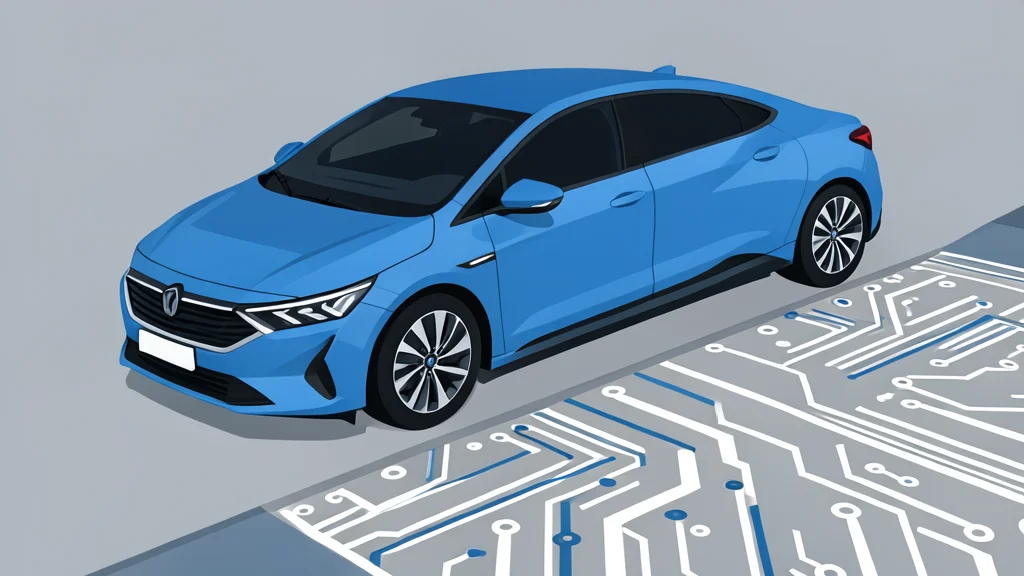
Chinese EV maker Xpeng is shifting its business model to sell technology to global automakers, aiming to offset declining vehicle margins with high-profit software and AI services.
Xpeng is moving beyond selling cars to selling the brains behind them. The Chinese electric vehicle manufacturer is actively seeking to license its core technologies, including artificial intelligence chips and driver-assistance software, to foreign automakers and suppliers. This strategic pivot aims to create a new, high-margin revenue stream that reduces the company's dependence on the volatile and increasingly competitive vehicle sales market.
The move follows a successful pilot partnership with Volkswagen, where Xpeng provided the technical backbone for a new SUV model. While vehicle sales remain crucial, the company’s financial reports indicate a significant shift in profitability, with technology services now generating margins far higher than car sales. This approach allows Xpeng to monetize its engineering investments without bearing the full cost of manufacturing and distributing physical vehicles.
Technology licensing becomes core revenue driver
According to reports from GN auto tech, Xpeng has established a specialized commercialization team to explore these new partnerships. The technologies up for license include its electrical architecture, cockpit systems, and Turing AI chips. Potential buyers are not limited to traditional carmakers; the company is also open to deals with software developers and automotive suppliers. This broadens the market for Xpeng’s innovations and allows it to capture value from the wider automotive supply chain.
The financial stakes are clear. In recent quarters, Xpeng’s vehicle margins have narrowed, while its services and technology segment has nearly doubled in revenue. The margin for this services business has surged to over 75 percent, compared to just over 12 percent for vehicles. This disparity highlights why the company is prioritizing tech licensing: it is a more profitable way to utilize the same R&D assets, turning engineering costs into recurring service income.
Volkswagen deal validates the new strategy
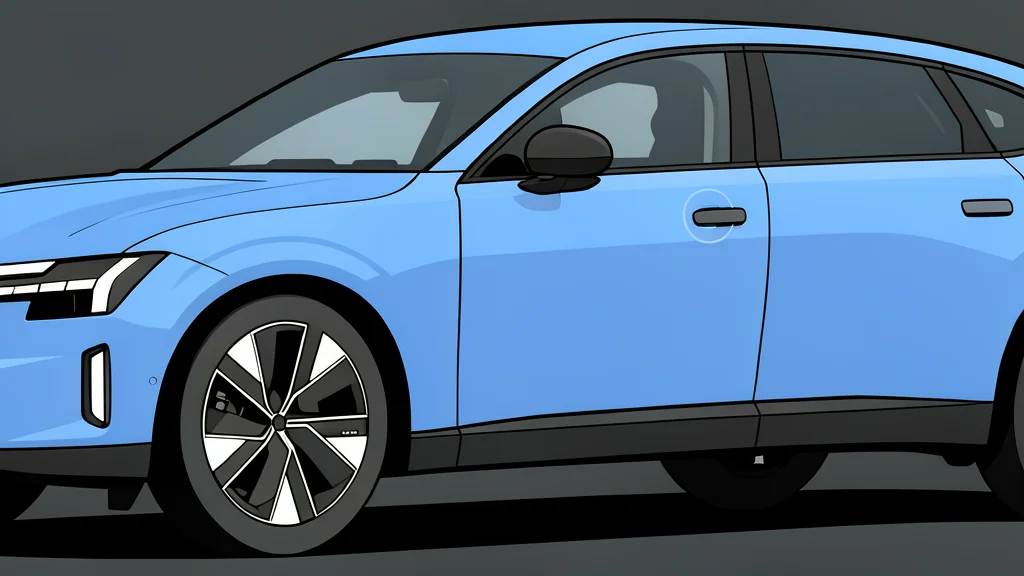
The partnership with Volkswagen serves as the primary proof of concept. Since 2023, Xpeng has supplied the German automaker with platforms and software for its ID.UNYX 08 SUV. This collaboration has become a critical source of high-margin revenue for Xpeng, particularly through technology services. The success of this joint venture, which entered mass production recently, demonstrates that established global brands are willing to rely on Chinese tech providers for complex electronic and software components.
However, the trade-off involves intense competition and regulatory scrutiny. By opening its technology to foreign partners, Xpeng risks exposing its proprietary advantages to rivals who may use these integrations to build competing systems. Additionally, the reliance on a few key partners for high-margin revenue creates concentration risks. If a major partner shifts strategy or faces regulatory hurdles, Xpeng’s high-margin segment could be vulnerable to sudden downturns.
Expanding into robotics and autonomous driving
Xpeng’s ambitions extend beyond cars into physical AI applications. The company is expanding its licensing business to cover robotaxis, humanoid robots, and other advanced autonomous systems. Its CEO has suggested that these areas could eventually generate significantly higher margins than vehicle sales. The company’s humanoid robot, IRON, is nearing mass production, with commercial deliveries planned for 2027. This expansion positions Xpeng as a broader AI and robotics technology provider, not just an EV maker.
This diversification comes with significant execution risks. Entering the robotics and autonomous vehicle markets requires massive capital investment and long development cycles. While the potential margins are attractive, the path to profitability is uncertain and highly competitive. For Xpeng, the bet is that its existing software and AI infrastructure can be adapted for these new domains, creating a synergistic ecosystem where technology sales support and outpace traditional car manufacturing.