Narro Trucks Delivers First Electric Utility Vehicle to Local Parks
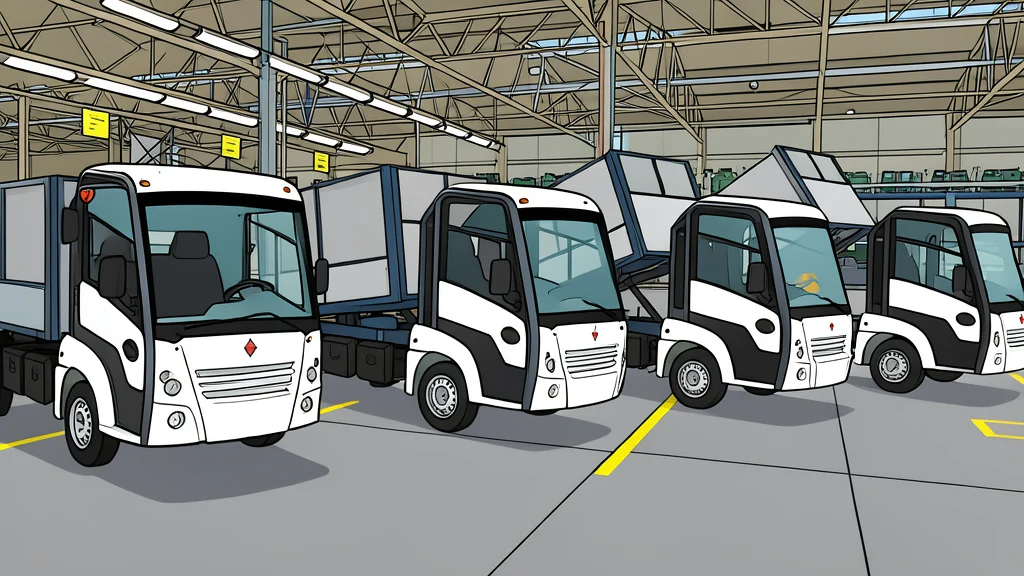
A Dublin-based startup has delivered its first electric utility vehicle to Pulaski County, marking a shift toward locally made, low-cost workhorses for public services.
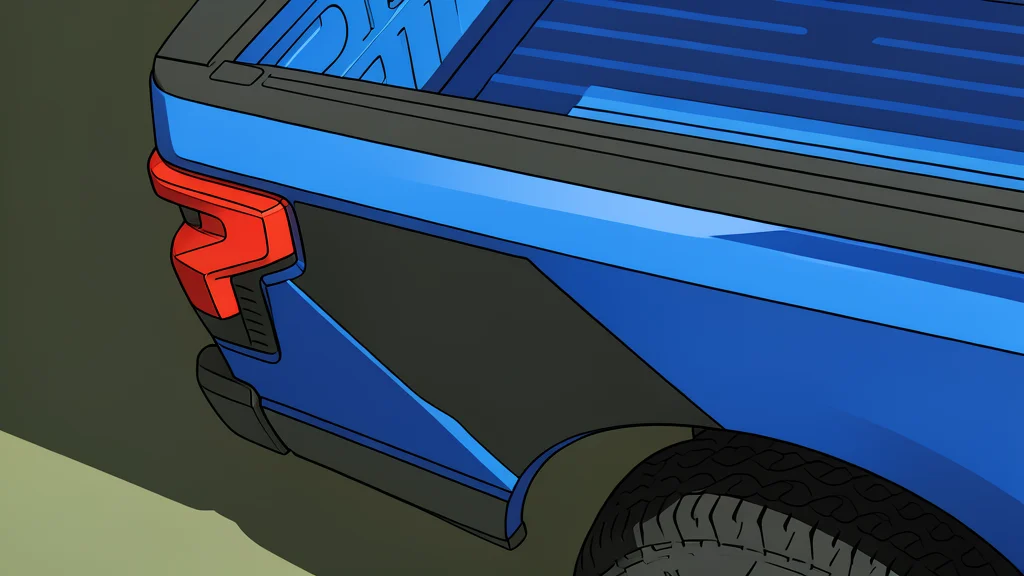
Narro Trucks, a startup based in Dublin, Virginia, has completed the delivery of its first electric utility vehicle to the Pulaski County Parks and Recreation department. The move marks the company’s initial commercial rollout and signals a new approach to municipal fleet vehicles that prioritizes lower operating costs over traditional fuel-based options.
According to a report by GN auto tech/ev, the vehicle is designed specifically for utility work, aiming to help industries reduce expenses while maintaining productivity. By placing this electric model into active use in a public setting, the company is testing its durability and cost-effectiveness in a real-world environment rather than just in a lab.
Local Talent Drives Manufacturing
The company relies heavily on the local workforce, employing graduates from Radford University and New River Community College. This focus on regional talent is central to its business model, which seeks to build a manufacturing presence within the New River Valley. By keeping production local, the startup aims to reduce logistics costs and support the regional economy directly.
However, as a startup, Narro Trucks is still seeking additional funding and investment to support its growth. The company has outlined plans to create 20 new jobs in the area, but these expansions are contingent on securing the necessary capital. This financial dependence on external investment represents a significant risk factor for the company’s long-term stability and its ability to scale production.
Cost Efficiency Over Range
The primary selling point of the Narro vehicle is its ability to lower operating costs for utility work. Electric vehicles typically have lower fuel and maintenance expenses compared to their diesel or gasoline counterparts. For departments like Parks and Recreation, which operate vehicles for shorter, repetitive routes, this cost reduction can be substantial over the vehicle's lifespan.
The trade-off for this efficiency is that these vehicles are specialized for utility tasks rather than general-purpose transport. They are not designed for high-speed highway travel or long-distance commutes. Users must weigh the savings in fuel and maintenance against the limitations in range and speed, ensuring the vehicle fits the specific operational needs of their daily workflows.
Regional Economic Impact
By combining local innovation with sustainable technology, Narro Trucks is positioning the New River Valley as a hub for clean transportation manufacturing. This development could attract further investment and business opportunities to the region. The company’s success would demonstrate that advanced manufacturing can thrive in rural areas, potentially benefiting local businesses and communities.
Nevertheless, the impact of this launch is currently limited to a single vehicle delivery. Until the company secures further funding and expands its production capabilities, its contribution to the regional economy remains modest. The long-term benefits for the community depend on the startup’s ability to sustain growth and meet its job creation goals without overextending its financial resources.