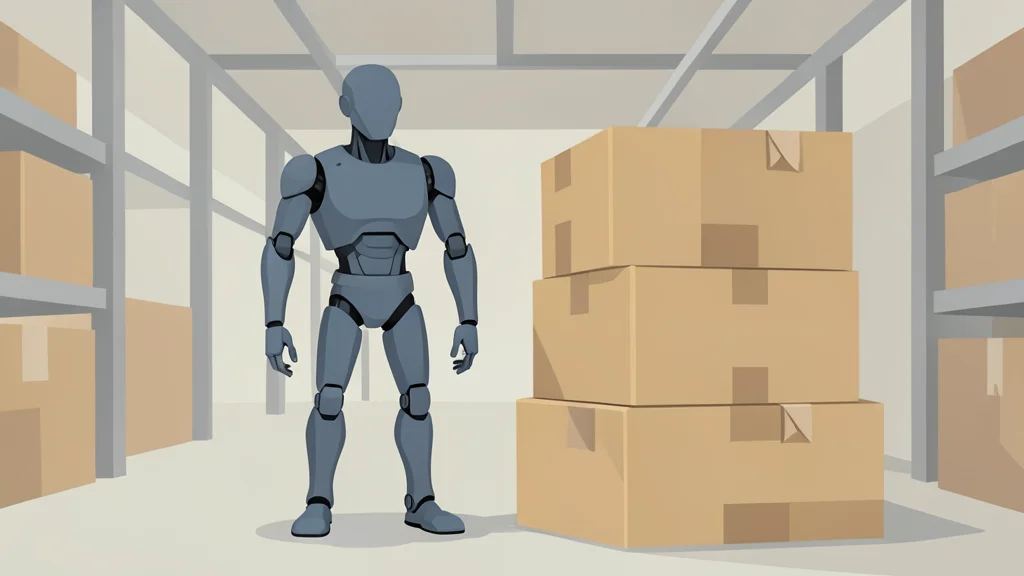
Humanoid Robots Expected to Reach 6.5 Million Units by 2035
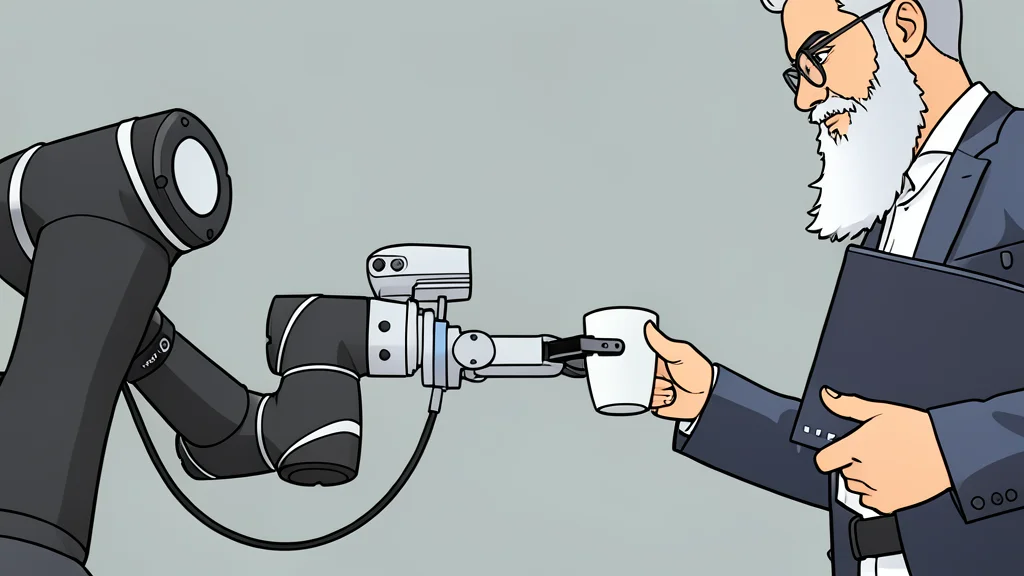
Goldman Sachs projects a massive expansion in the humanoid robotics sector, forecasting 6.5 million units shipped by 2035 and a market value of $138 billion. This shift marks a move from simple automation to complex physical AI systems.
The robotics industry is entering a new phase, moving beyond simple industrial automation toward what experts call physical AI. This technology allows machines to perceive their surroundings, process information, and take physical actions in the real world. According to a report by Streetwise Reports, Goldman Sachs now estimates that approximately 6.5 million humanoid robots could be shipped by 2035.
This projection represents a significant increase from earlier forecasts, with the market potentially reaching a value of $138 billion. The growth is expected to be driven by adoption in logistics, warehousing, and automotive sectors. However, this expansion is not without hurdles, as costs, safety, and reliability remain critical challenges for widespread commercial deployment.
Major Tech Companies Drive Adoption
Several major technology firms are positioning themselves to benefit from this trend, though their strategies differ. Amazon, for instance, has focused on deploying non-humanoid robots in its warehouses, having integrated over one million units since acquiring Kiva Systems in 2012. These mobile robots and arms handle specific tasks like transporting inventory and sorting packages, proving that economic value does not require a human-like form.
Meanwhile, Tesla and NVIDIA are pursuing different roles within the ecosystem. Tesla is developing humanoid robots for broader application, while NVIDIA is focusing on the AI infrastructure and software needed to power robotic systems. This division of labor suggests a fragmented market where hardware manufacturers and software providers may compete or collaborate in distinct layers.
Challenges Remain in Real-World Deployment
Despite the optimistic financial projections, the transition to physical AI faces practical obstacles. Reliability in unstructured environments is a primary concern, as robots must navigate complex physical spaces without constant human intervention. Safety standards for machines operating alongside people in warehouses or factories are still evolving, creating a regulatory gap that could slow adoption.
Cost efficiency is another significant trade-off. While the potential market size is large, the current price point of humanoid robots remains high for many businesses. Companies must demonstrate a clear return on investment that justifies the expense over traditional labor or simpler automation solutions. This economic reality will likely determine the pace of the forecasted growth.
Future Market Dynamics and Risks
The forecast of 6.5 million units by 2035 assumes a steady rise from approximately 75,000 units in 2026 to 890,000 by 2030. This trajectory depends on continuous technological breakthroughs in AI and hardware. If key challenges in battery life, dexterity, or decision-making speed are not resolved, the actual market size could fall significantly short of these estimates.
Investors and industry observers should note that while the direction is clear, the timing is uncertain. The interplay between hardware capabilities and software intelligence will dictate whether physical AI becomes a standard tool in logistics or remains a niche technology. The coming years will test the resilience of these new systems in the demanding conditions of real-world work.