North Carolina Expands EV Charging Network with $14.4M in New Stations
A new funding round adds 14 charging sites across the state, aiming to reduce range anxiety for electric vehicle drivers in both urban and rural areas.
The North Carolina Department of Transportation has allocated $14.4 million to build new electric vehicle charging infrastructure. This investment marks the second phase of a federal initiative designed to expand access to fast charging along major highways and within specific communities. The goal is to address the growing number of EVs on the road by ensuring drivers can find reliable power sources without excessive detours.
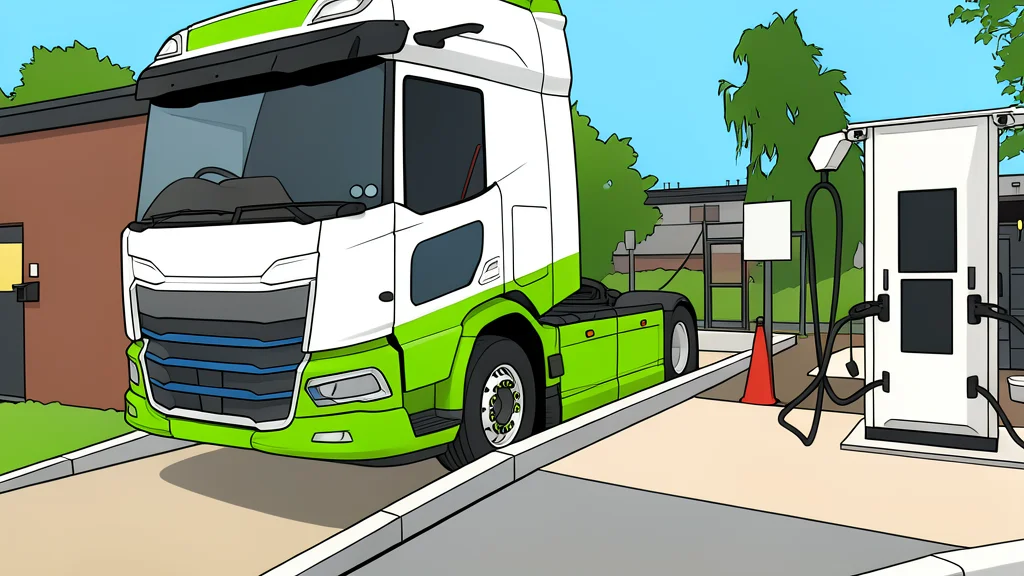
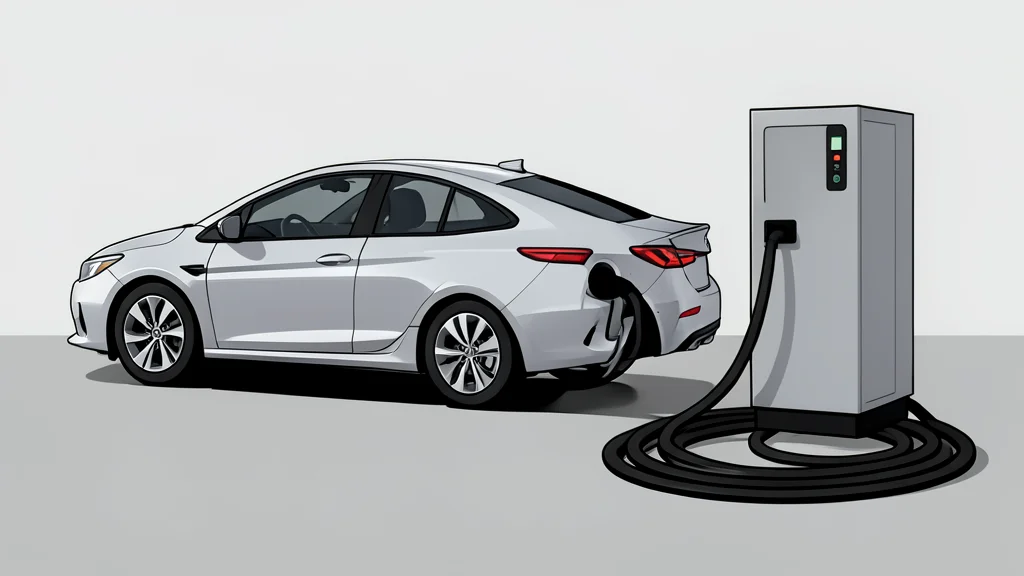
According to GN auto tech/ev: electric vehicle reports, the funding will support the construction of stations in fourteen locations, including Kinston, Asheboro, and Raleigh. Eight private businesses have been selected to construct and operate these sites. This expansion builds upon five stations funded in 2024, creating a more comprehensive network for travelers moving across the state.
Federal funds support private operators
The money comes from the National Electric Vehicle Infrastructure, or NEVI, Program, a federal grant that has provided North Carolina with a total of $109 million. Rather than the state building the stations itself, the program reimburses private companies for the costs of purchasing, installing, and maintaining the hardware. This public-private partnership aims to leverage private sector efficiency while meeting public infrastructure goals.
However, this model relies heavily on the financial viability of the sites for the operators. While the reimbursement helps offset initial and operational costs, businesses must still ensure the stations are used enough to sustain long-term profitability. This creates a trade-off where highly trafficked corridors are prioritized, potentially leaving less busy rural roads with fewer options in the immediate term.
Timeline for full network completion
Officials expect the entire network funded through this program to be operational within three years. The current phase focuses on key travel routes and specific towns, with a later phase planned to target rural areas that have greater need but lower traffic volume. This phased approach allows the state to establish a backbone of reliable charging before expanding into more remote regions.
Addressing driver confidence and range
State officials argue that the growing number of registered electric vehicles necessitates this expansion. By increasing the density of chargers, the state aims to make cross-state travel less stressful for EV owners. The primary stake for readers is reduced uncertainty; knowing that a charger is available at predictable intervals allows for more confident planning of longer trips without the fear of running out of power in remote areas.