Ultraviolette Expands Production Capacity in Tamil Nadu
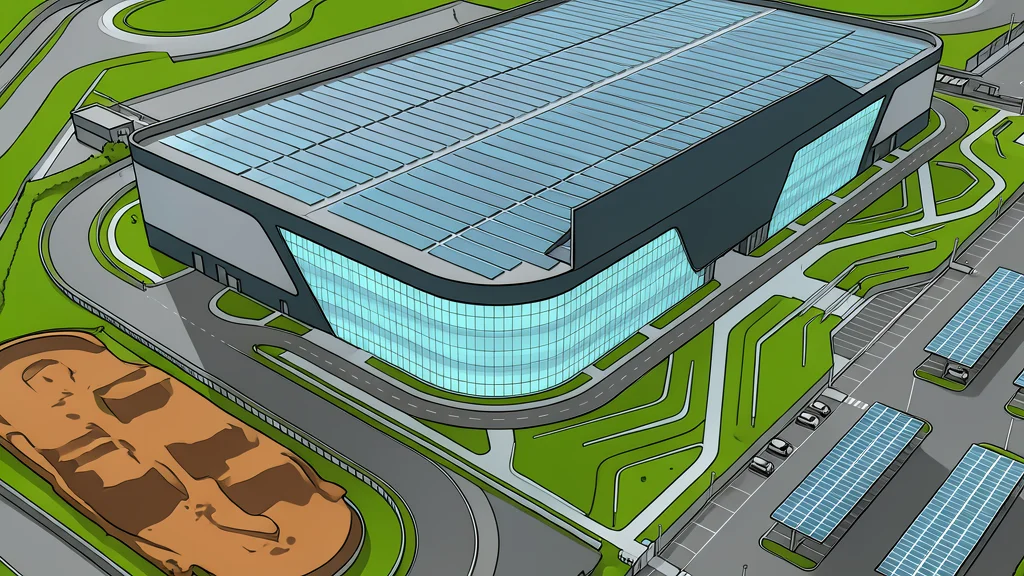
Ultraviolette is constructing a new plant in Hosur to boost annual output to 250,000 units, aiming to streamline its supply chain while managing the high costs of advanced automation.
Ultraviolette, a manufacturer of electric motorcycles and scooters, has announced the construction of a new facility in Hosur, Tamil Nadu. The site, dubbed the BIGGA factory, is designed to produce 250,000 vehicles annually once fully operational. This expansion marks a significant step in the company’s strategy to meet growing demand in India and prepare for international exports.
According to reporting by GN auto tech/ev: electric vehicle, the new plant will complement the company’s existing operations in Bengaluru, Karnataka. By splitting production across two locations, Ultraviolette aims to reduce logistical bottlenecks. The move also positions the brand to leverage the established automotive ecosystem in Hosur, which offers strong supply chain advantages and proximity to the company’s research and development centers.
Advanced automation drives production
The new facility will utilize Industry 4.0 technologies to manage its workflow. This includes a Manufacturing Execution System and digital quality control tools. Collaborative robots will handle specific tasks such as sorting, welding, and assembly, while vision-based systems will inspect products for defects. These automated processes are intended to increase precision and speed in the manufacturing line.
However, adopting such high-tech infrastructure comes with trade-offs. Implementing complex digital systems and robotic automation requires significant upfront investment and specialized technical expertise. The company must balance the long-term efficiency gains against the immediate financial burden and the need for a workforce skilled in maintaining these advanced machines.
Job creation and local impact
The project is expected to create approximately 2,000 jobs initially. As operations scale over the next five years, employment is projected to rise. The Tamil Nadu government is facilitating land allocation for the site, which is located in the SIPCOT Industrial Park. This public-private partnership aims to strengthen the region’s role in the global electric vehicle supply chain.
The new factory will focus on producing the Tesseract electric scooter and future models across various segments. While the immediate benefit is local job creation, the broader goal is to position India as a hub for electric vehicle technology. The company notes that the proximity to its Bengaluru R&D team will allow for faster integration of new designs into the production process.
Balancing scale and quality
Expanding to a capacity of 250,000 units presents challenges in maintaining consistent quality. Ultraviolette states that the new plant will include a dedicated test track for vehicles before they are dispatched. This step is crucial to ensure that the rapid increase in output does not compromise the performance standards expected by customers in both domestic and international markets.