Refinery Strikes Shift Russian Drivers Toward Electric Vehicles
Disruptions in fuel supply have accelerated the adoption of battery-electric vehicles in Russia, creating a significant spike in sales despite the country's heavy reliance on oil.
Electric vehicle sales in Russia have surged as refinery strikes and fuel disruptions make gasoline less convenient for drivers. This shift marks a notable change in a market that has historically favored internal combustion engines due to cheap fuel availability.
While the absolute numbers remain small relative to the broader auto market, the trend highlights how quickly consumer demand can pivot when filling up becomes a hassle. The situation offers a striking example of supply-side constraints driving technological adoption.
Sales Rise Amid Fuel Shortages
From June through August 2026, Russian drivers purchased 26,543 battery-electric vehicles and plug-in hybrids, a 118% increase compared to the same period in 2025. This growth was driven by intensified attacks on oil facilities, which reduced the country’s refining capacity to roughly 70% of domestic fuel demand.
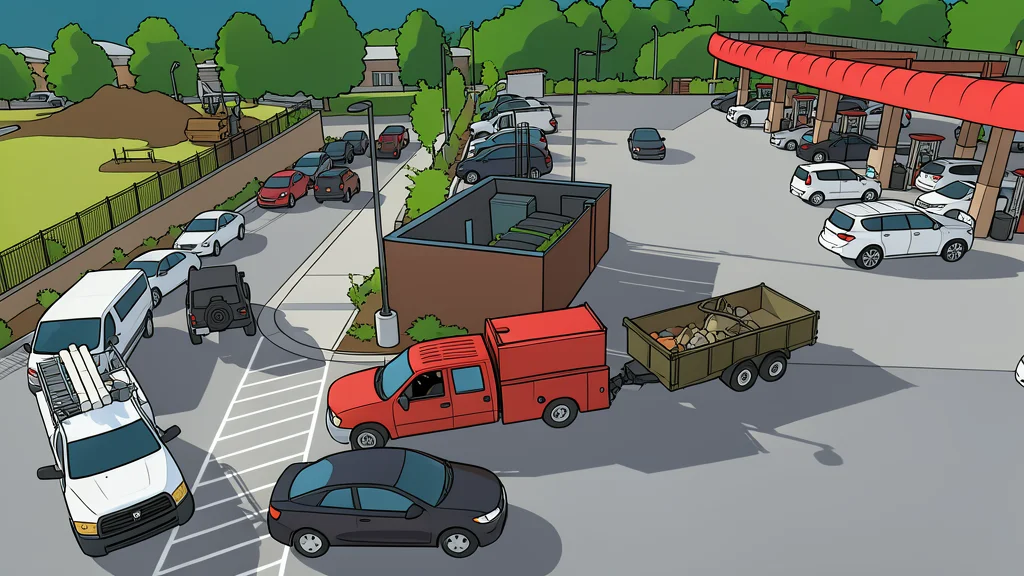
The strain on the supply chain reached everyday drivers through long lines at gas stations and regional limits on fuel sales. A ban on gasoline exports further tightened the domestic supply, forcing many consumers to look for alternatives to keep their vehicles running.
Electric Cars Remain a Small Share
Despite the sharp growth in electrified vehicle purchases, these models still account for only about 6% of Russia's roughly 400,000 total vehicle sales in the second quarter. This figure is well below the worldwide average of about 25% for electric and hybrid adoption.
Russia has historically been slow to embrace electric vehicles because it is one of the world's top oil producers. Gasoline was relatively cheap, giving drivers less financial incentive to move away from traditional engines. The recent disruptions have changed that economic equation.
Charging Offers Predictable Daily Routine
When fuel production and distribution are disrupted, drivers face uncertainty and long waits. In contrast, owners of electric vehicles who can charge at home enjoy a more predictable routine. This reliability is a significant advantage in a market where gas availability has become erratic.
As noted by GN auto tech/ev, the situation also highlights a practical benefit in colder climates. Drivers in regions with harsh winters often need to keep cars running or plugged in to prevent fluids from freezing. For those who must plug in anyway, switching to an electric vehicle simplifies the process and reduces exposure to oil price volatility.