European EVs Cut Running Costs by a Third
A new analysis shows that the total cost of owning an electric vehicle in Europe has dropped significantly. With fuel prices remaining high, the financial argument for switching to electric power is becoming increasingly strong for drivers across the continent.
The economic case for electric vehicles in Europe has strengthened considerably, according to a new report from the International Council on Clean Transportation. The study reveals that drivers who charge their cars at home and public stations spend roughly 33% less on operating costs compared to those driving similar gasoline models. Even for motorists who rely exclusively on public charging infrastructure, the savings remain substantial at approximately 28%. This shift is largely driven by the high cost of petrol, which has averaged two euros per liter in the EU, a price point that makes the lower energy consumption of electric cars a major financial advantage.
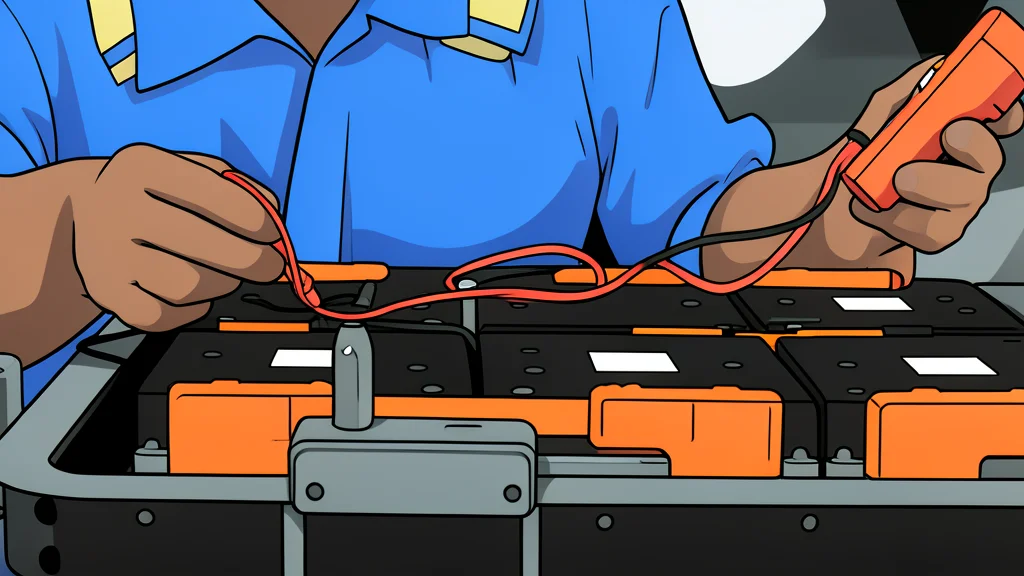
The price of the vehicles themselves is also becoming more competitive. Between 2020 and 2025, the cost of electric vehicles fell by about 18% after adjusting for inflation, while prices for combustion-engine cars rose slightly. In the medium, upper-medium, and luxury segments, electric cars have reached price parity with their gasoline counterparts. This trend is heavily influenced by the cost of batteries, which remain the most expensive component in an electric vehicle. However, global battery prices have dropped by roughly 35% in recent years, enabling manufacturers to offer more affordable models. According to GN auto tech/ev: electric vehicle, this decline in component costs is a primary driver behind the broader reduction in vehicle prices.
Market Expansion and Infrastructure Growth
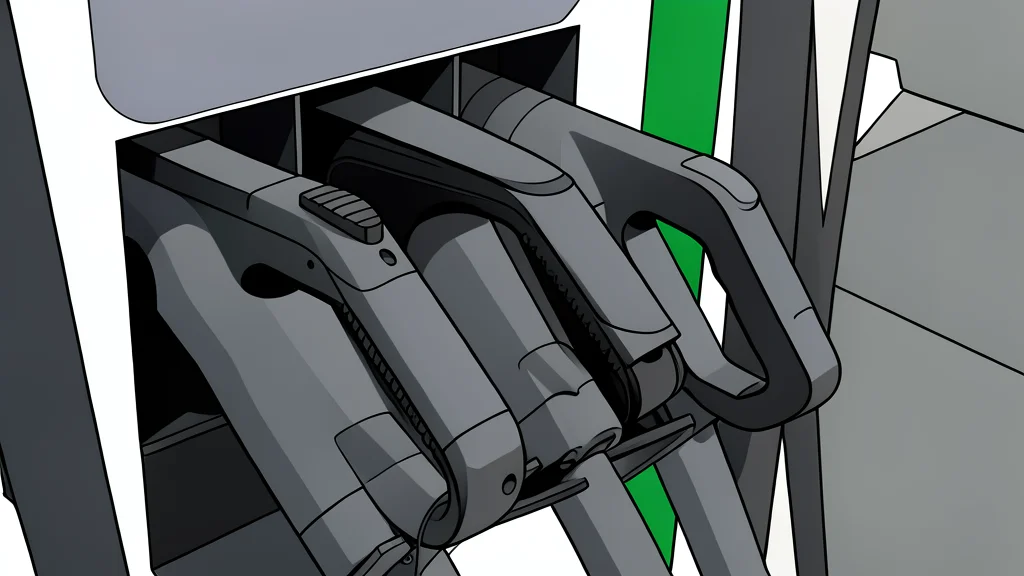
The availability of electric vehicles has expanded rapidly across the region. In Germany, Europe's largest auto market, the number of available passenger electric models has quadrupled since 2020, reaching approximately 160 options. Among these, around 35 models are priced below 30,000 euros, making the technology accessible to a wider range of consumers. Supporting this growth, the European Union has significantly expanded its public charging network. The number of public car chargers has grown to nearly eight times its size from five years ago, now totaling close to 1.2 million units. Additionally, the infrastructure for heavy-duty vehicles has increased to over 2,400 chargers, laying the groundwork for the electrification of commercial fleets.
Remaining Barriers to Adoption
Despite these improvements, the transition is not without its trade-offs. Researchers note that while battery costs have fallen sharply, the overall price of electric cars has not dropped at the same rate. This suggests that other components or production processes still present cost challenges. Furthermore, the widespread adoption of electric trucks, which are nearing cost parity with diesel equivalents, depends heavily on continued government support. Fleet operators prioritize cost predictability, and the shift to electric will only accelerate if policies remain stable during the early years of the transition. Without sustained regulatory backing, the financial incentives that currently favor electrification may weaken, slowing the pace of change in the commercial vehicle sector.