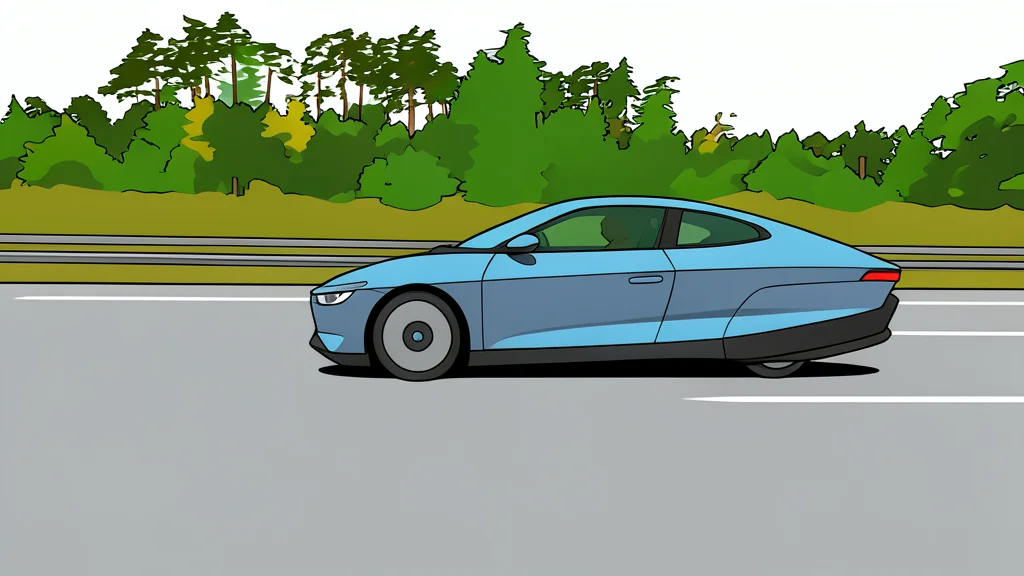
Silent Electric Patrols Test Africa's Energy Shift
In the Maasai Mara, rangers are swapping loud petrol engines for silent electric bikes, testing if solar-powered transport can work in one of the world's toughest environments.
Joshua Kijape moves through the tall grass of the Maasai Mara with barely a sound. As a ranger, he relies on silence to approach wildlife without causing stress and to close in on poachers who cannot hear him coming. For the past year, his patrol motorcycle has run on electricity rather than petrol, a shift that changes the daily rhythm of conservation work in Kenya’s famous game reserve.
This quiet operation is part of a broader experiment to integrate electric mobility into Africa’s energy transition. By replacing fuel-dependent vehicles with solar-charged alternatives, conservation teams aim to reduce maintenance costs and limit noise pollution in a critical ecosystem. The initiative tests whether clean technology can hold up under the demanding conditions of the wild, far from the urban centers where such tech is usually piloted.
Silence aids wildlife observation
The primary benefit for rangers is acoustic stealth. Jason Knauf, CEO of the Earthshot Prize, notes that seeing electric vehicles operate during the Great Migration proves that clean tech can function beyond cities. The Maasai Mara is a harsh environment, and successful deployment here strengthens the case for scaling these solutions to other remote conservation landscapes. For ROAM, the Nairobi-based company behind the bike, it serves as a rigorous engineering test for durability on rough tracks.
Beyond conservation tactics, the switch reduces the logistical burden of fuel. Instead of shipping petrol from the port of Mombasa to remote areas, operators can charge vehicles locally using solar power. This creates a quieter environment that benefits both animals and tourists, as noted by ROAM CEO Filip Lovstrom. The economic argument is equally strong, as solar charging eliminates the recurring cost of transporting expensive liquid fuel.
Solar charging faces infrastructure limits
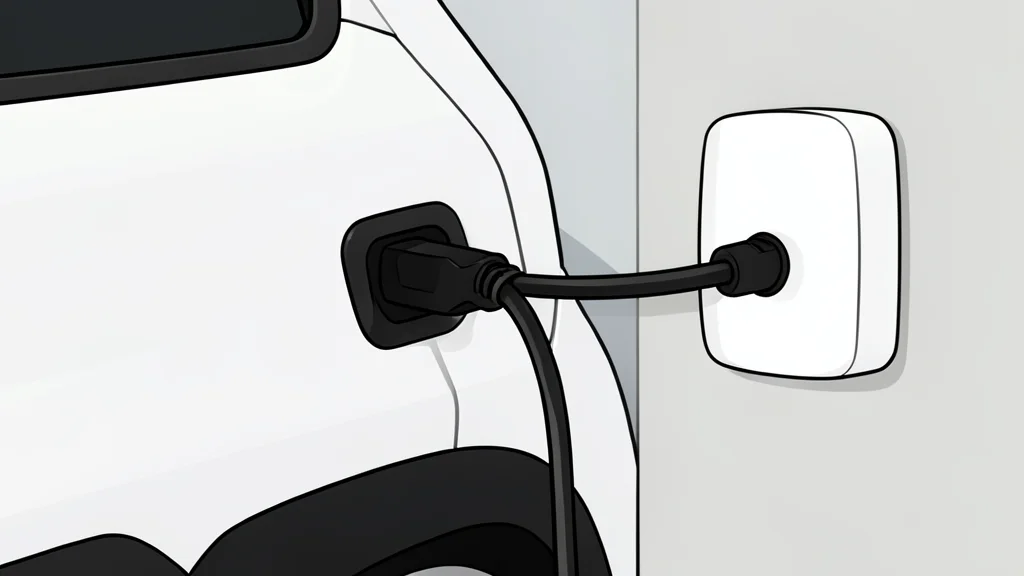
Despite the benefits, the technology has clear limitations. The electric motorcycles can travel approximately 160 kilometers on a single charge, but longer patrols require access to charging points. Since the bikes use standard 10-amp sockets, infrastructure can be built around small solar and battery systems. However, this means that just as rangers previously needed reliable petrol access, they now need reliable electricity access, which is not always available in remote parts of the reserve.
Community adoption expands beyond parks
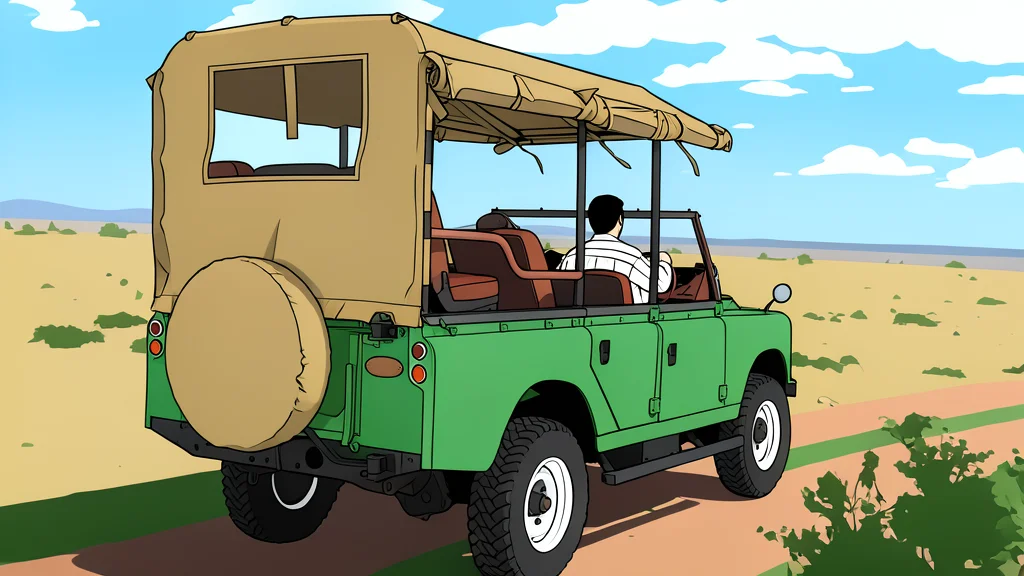
The utility of electric vehicles extends to local communities where roads are poor and alternatives limited. Emboo River Camp has used solar-charged electric safari vehicles since 2019, citing silence and economy as key drivers. This experience has evolved into a broader sustainability operation supporting 25 lodges across East Africa with solar power and vehicle conversions. As reported by GN auto tech/ev: electric vehicle, these initiatives demonstrate that the transition to clean energy is becoming a practical reality in rural and remote African settings, not just a theoretical goal.